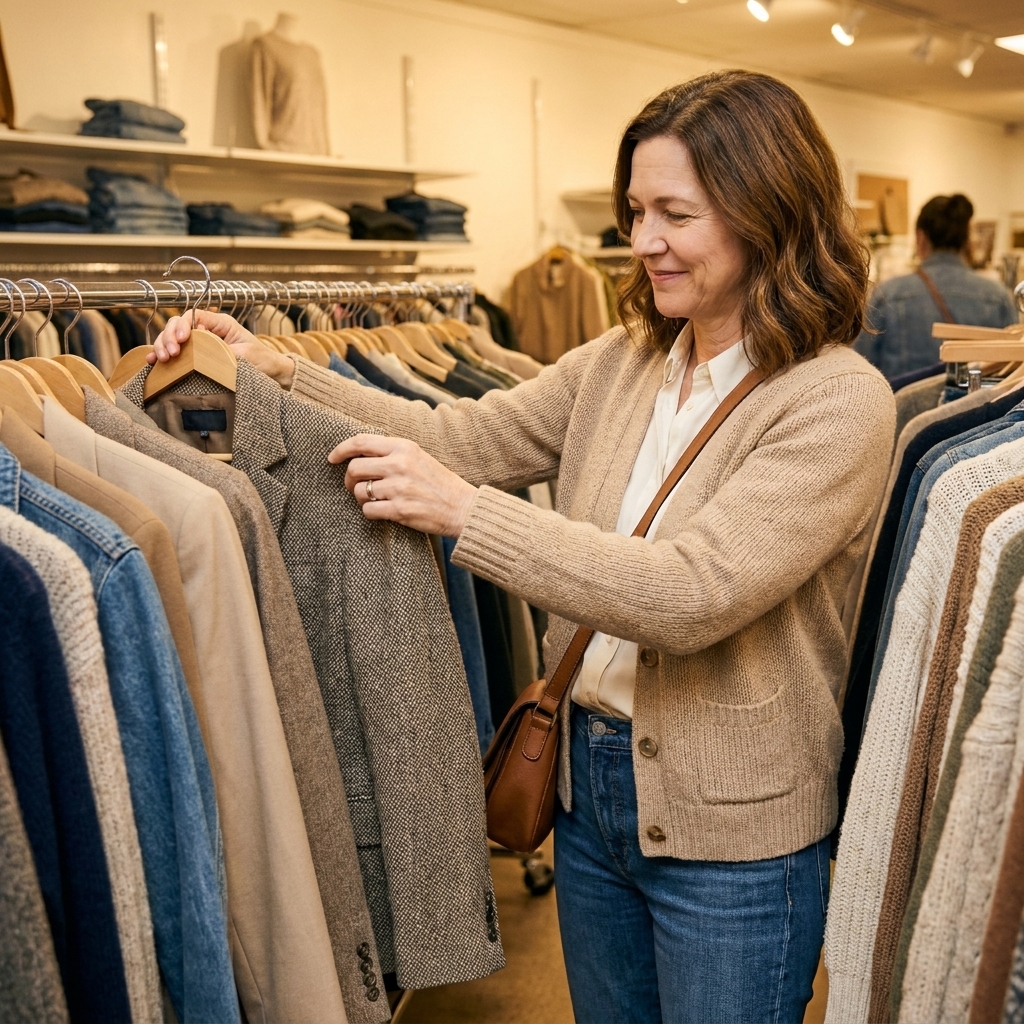
Online thrifting is a little like estate sale hunting in sweatpants: wildly convenient, occasionally chaotic, and deeply rewarding when you know what to look for. The best vintage pieces are not always the ones with the highest price tags. They are the ones with strong fabric, smart construction, and a fit you can work with.
Below are my pro-level, stylist-tested tips for finding truly high-quality vintage fashion online while keeping your closet (and the planet) in a healthier, more circular rhythm.
Start with a plan
If you open a resale app with zero intention, you will end up with five “cute” tops and nothing to wear with them. A tiny bit of strategy gives you a closet that feels like you.
Pick a one-week wardrobe goal
- Choose 1 to 2 hero items you want to find first, like a wool blazer, a leather belt, or a silk slip.
- Choose 2 to 3 supporting basics, like a white tee, straight-leg jeans, or a knit tank.
- Choose a color story you already wear. If your closet is mostly black, cream, denim, and olive, stay there. Vintage gets wearable when it plays nicely with what you own.
Create a “non-negotiables” list
Mine usually looks like: natural fibers preferred, clean lines, no itchy mystery knits, and anything that can be tailored into shape. When you know your rules, you buy less and love more.
Search like a merchandiser
Online listings are only as good as the seller’s keywords, which means the best finds are often hiding under the wrong words. Think like someone who is bad at describing clothes.
Use multiple keyword paths
- Item + fabric: “wool blazer,” “silk blouse,” “linen trousers,” “cashmere cardigan.”
- Item + era cues: “90s slip dress,” “80s blazer,” “70s denim,” “Y2K handbag.”
- Item + details: “darted waist,” “pleated front,” “bias cut,” “tortoiseshell buttons,” “French seams.”
- Brand + category: search vintage-friendly labels (and their misspellings).
Try the unglamorous terms
My favorite hidden-door keywords: “career,” “office,” “workwear,” “classic,” “tailored,” “minimal,” “capsule,” and “midi.” They tend to surface beautifully made pieces from people cleaning out closets, not “rare archive” resellers.
Filter smart, then loosen up
Start narrow to avoid overwhelm, then widen once you are in the right neighborhood.
- Filter by material first (wool, silk, linen, leather).
- Then filter by condition (excellent, very good).
- Then filter by size range, but do not get too strict until you check measurements.
Quality tells
You cannot touch the garment through your screen, but you can still evaluate quality with a surprisingly high success rate. Here is what I look for before I even consider clicking “buy.”
Fabric: learn the heavy hitters
In vintage, fabric is often where the magic lives. Prioritize fibers that age well and can be refreshed with proper care.
- Wool: suits, coats, trousers, blazers. Look for “pure wool,” “virgin wool,” “worsted,” “tweed,” “melton.”
- Silk: blouses, scarves, slips. Look for “100% silk” and photos that show a soft, natural sheen (silk can still photograph shiny, so ask for extra photos if you are unsure).
- Linen: warm-weather pants, blazers, shirts. Expect wrinkles, that is part of the charm.
- Cotton: denim, tees, shirting. Older cotton can feel thicker and more structured.
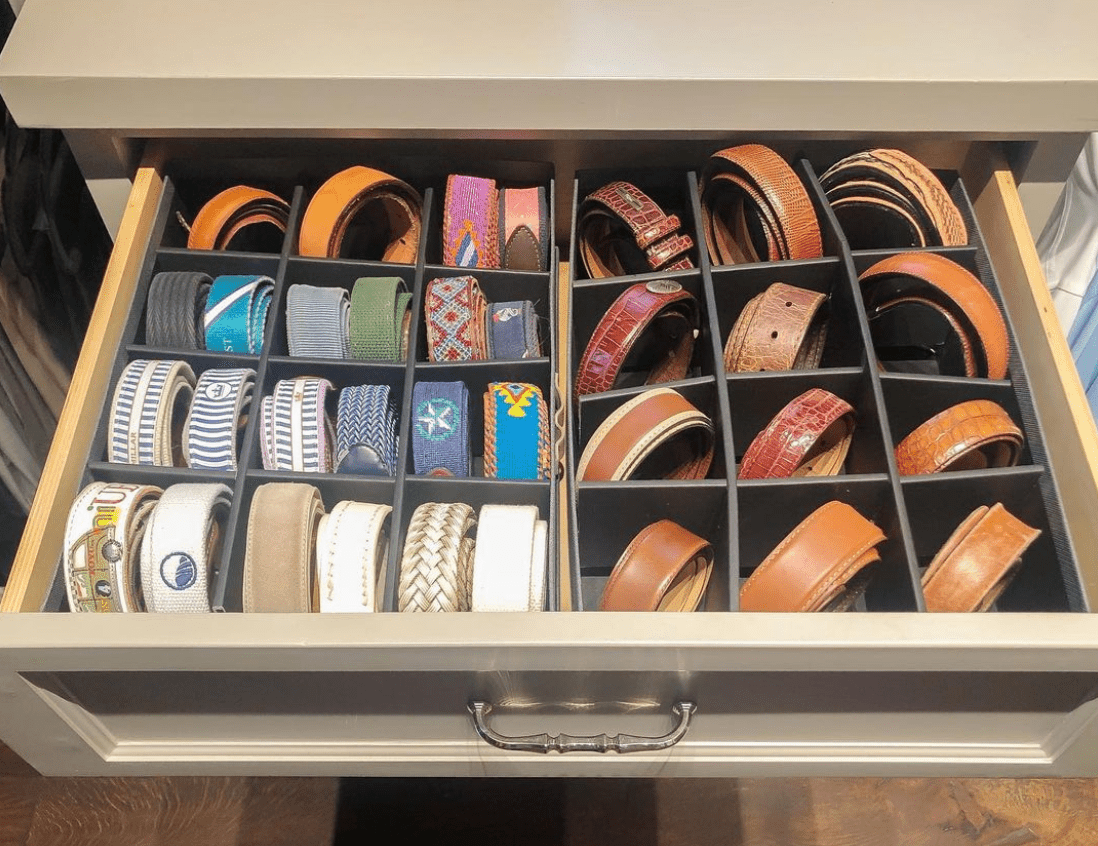
- Leather: belts, bags, jackets. Seek full-grain cues like natural creasing rather than cracking.
Be cautious with: “acrylic,” “polyester blend” (not always bad, but proceed thoughtfully), and vague phrases like “soft material.” Ask for fiber content if it is not listed.
Construction: small details, big signal
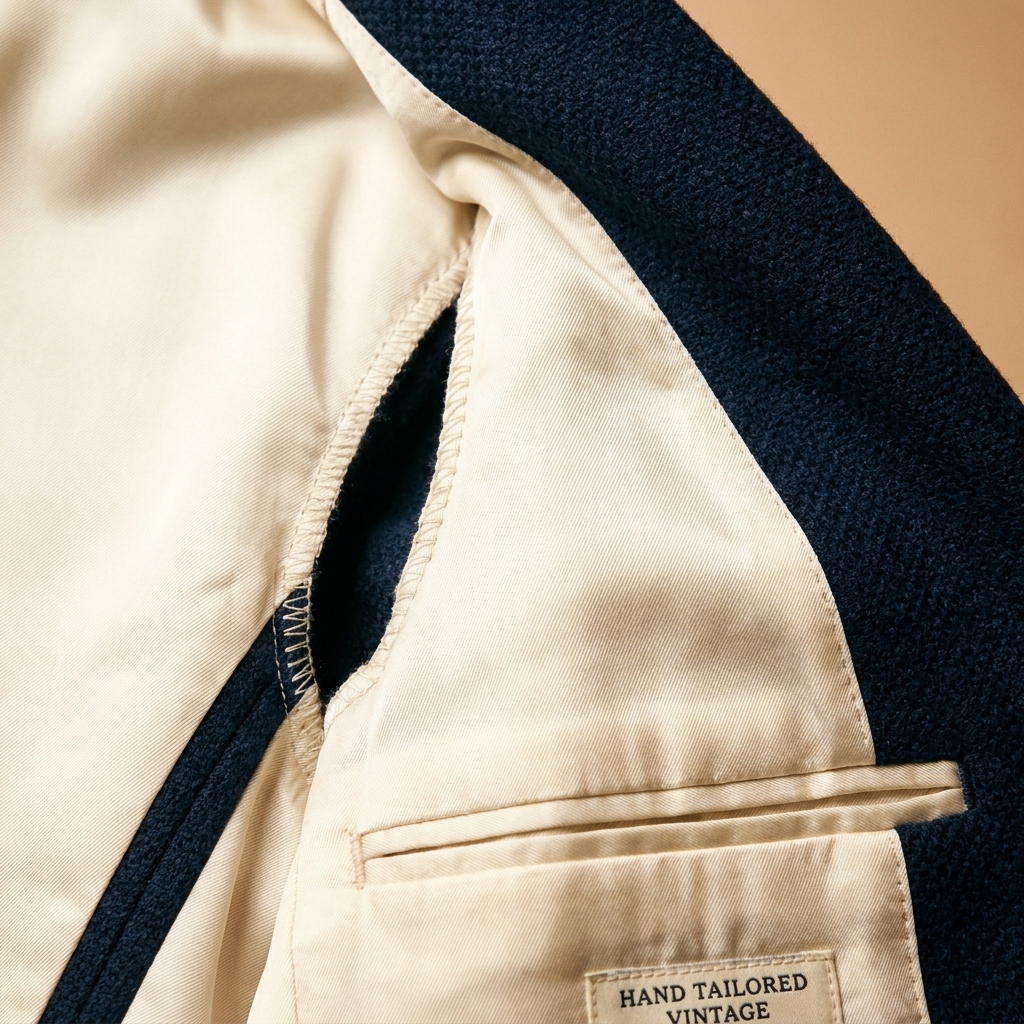
- Seams: look for neat stitching, finished edges, and consistency. Sloppy seams can mean fast fashion, even if it is older.
- Hems: a deeper hem allowance is tailoring gold. If the seller can show the inside hem, even better.
- Lining: fully lined blazers, skirts, and coats often drape better and last longer.
- Buttons and hardware: sturdy buttons, metal zippers, and solid snaps are a good sign. (Not a guarantee, but it is a good “keep looking closer” cue.)
Pattern alignment: a quality clue
Plaids and stripes that line up at seams take effort and skill. If a plaid blazer matches at the center front and pockets, I pay attention.
Fit and measurements
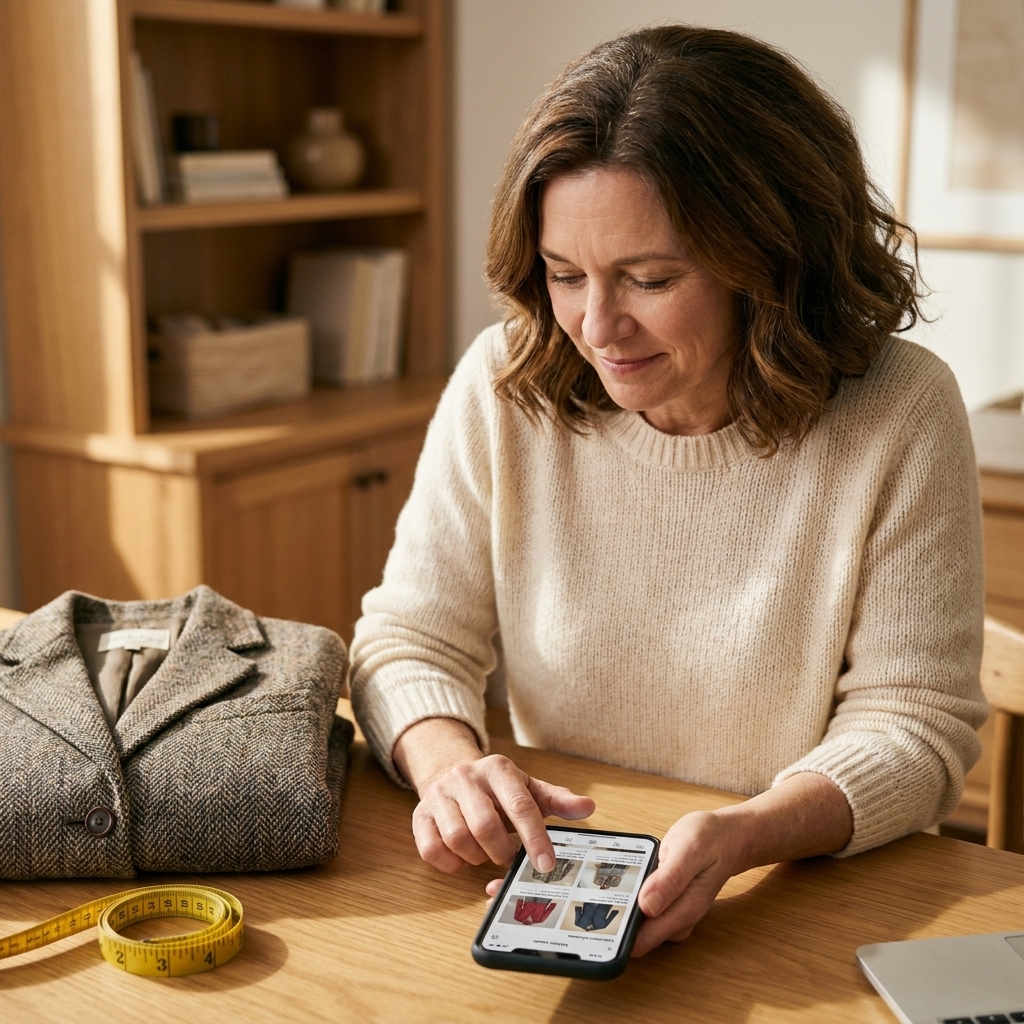
Vintage sizing is its own universe, and modern brands are inconsistent anyway. The most reliable way to shop confidently is to shop by measurements and compare them to what you already own.
Keep a “benchmark garment” list
Grab your favorite versions of these and measure them flat. (If a listing is in centimeters and you think in inches, convert before you decide. 1 in = 2.54 cm.)
- Blazer: shoulder, bust (pit to pit), waist, length, sleeve length.
- Trousers: waist, hip, rise, inseam, leg opening.
- Dress or top: bust, waist, length, shoulder, sleeve.
- Skirt: waist, hip, length.
Pit to pit means measuring straight across the front from one underarm seam to the other, then doubling for the full bust.
Then, when a listing includes measurements, you can compare apples to apples.
Know what can be tailored easily
I love a little tailoring. It is the difference between “nice vintage find” and “people stop you on the sidewalk.” But some alterations are more realistic than others.
- Usually easy: hem length, taking in waist, shortening straps, adding darts, button placement.
- Possible but pricier: adjusting shoulders, resizing structured jackets, major size changes.
- Often not worth it: moving pockets, changing a complicated neckline, making something larger when there is no seam allowance.
If the shoulders fit, I can work with almost everything else. If the shoulders do not fit, I walk away.
Authenticity checks
Not everything labeled “vintage” is actually vintage. And not every older piece is automatically well made. Here is how to sanity-check a listing without turning it into a full-time job.
Look for label and tag clues
- Union labels: can be a helpful clue for older manufacturing (especially in the US), but they are not definitive and they still show up on newer garments, too.
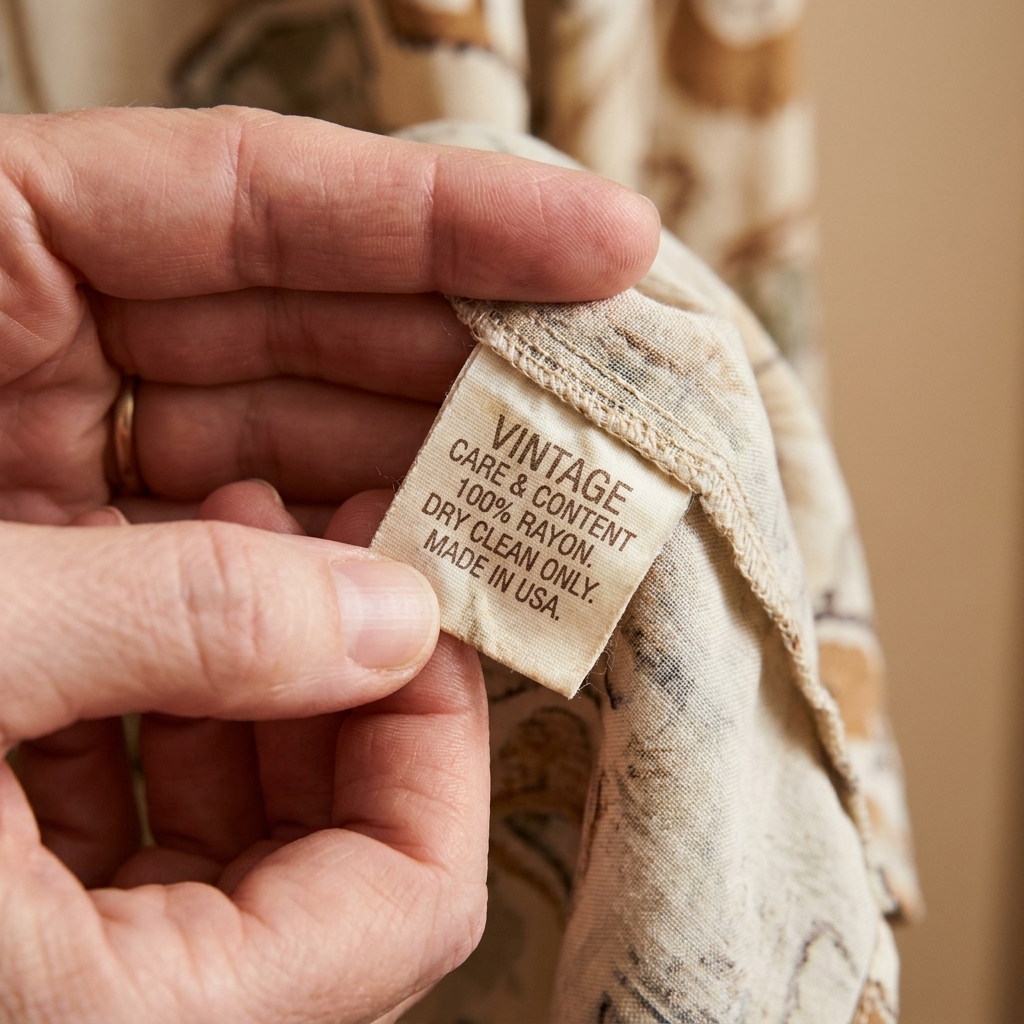
- Care instructions: older pieces may have minimal care tags, different wording, or none at all.
- Country of origin: not a quality guarantee, but useful context, especially when you compare it to what a brand produces now.
If the listing does not show tags, ask for photos of the brand label, care label, and fiber content.
Spot modern “vintage-inspired” pieces
Some brands release retro-looking pieces that are not old at all. That is fine if you love it, but it should not be priced like true vintage. Stronger modern tells include barcode or QR tags, modern compliance language, very current fabric blends and finishes, and contemporary care-label formatting that looks brand-new (plus sellers who cannot show any wear because it has basically never been worn).
Be mindful of counterfeits
Luxury items are the most frequently faked. If you are buying designer, ask for:
- Clear photos of serial numbers, date codes, holograms, and inside stamps (where applicable).
- Close-ups of stitching, hardware engraving, zipper brand, and lining.
- Provenance details, like where it was purchased or how it was acquired.
And trust your gut. If the price is wildly low and the photos are vague, it is usually not a magical bargain. It is a risk.
Message sellers
Asking questions is not annoying. It is how you avoid regret purchases and reduce returns, which is better for everyone in the circular economy.
My go-to questions to copy and paste
- “Could you share the flat measurements for bust, waist, and length?”
- “Is there any pilling, thinning, or odor not shown in photos?”
- “Are there any repairs or alterations?”
- “Could you add a close-up photo of the fabric and the care tag?”
- “How would you describe the fabric weight: light, medium, or heavy?”
- “Could you share a photo in natural light? It helps me judge color and wear.”
If the seller responds clearly and quickly, that is a green flag.
Platform basics
Different resale platforms have different rules, and knowing them helps you shop confidently.
Before you buy, double-check
- Return policy: many peer-to-peer sales are final. Measure first.
- Buyer protection: pay on-platform, not via external apps.
- Shipping costs: factor them into your budget, especially for coats and boots.
- Authentication services: use them for higher-ticket designer items when available.
- Seller signals: check ratings, response time, and whether the closet history looks consistent (lots of clear photos and honest descriptions usually beats one blurry listing).
If offers or bundles are available, use them. Bundling basics with one “hero” piece can make shipping feel less painful and your cart feel more intentional.
Price reality check
Vintage pricing is all over the place. I am not anti-splurge, but I like the splurge to make sense.
When a higher price is justified
- Exceptional fabric (heavy wool, real silk, substantial linen, quality leather).
- Strong maker details (full lining, beautiful seams, pattern matching).
- Hard-to-find categories in great condition (coats, boots, bags).
- Clean fit potential (especially shoulders on jackets, waist and hip on trousers).
When “rare” feels inflated
- Vague photos and no measurements, but a dramatic price tag.
- Noticeable wear or repairs presented as “patina,” but priced like new.
- Modern mass-market pieces labeled “vintage” without any age details.
Pay for quality and condition, not hype.
Condition calls
I am all for a little patina. I am not here for “project garment” unless you truly love projects.
Usually worth it
- Missing button (easy fix).
- Minor hem coming undone.
- Light wrinkles or needs steaming.
- Very small, easily accessible repair on an inner seam.
Proceed carefully
- Pilling on knits (can be shaved, but may return if the fiber is low quality).
- Small stains (ask what they are and where they are).
- Leather dryness (often conditionable, cracking is not).
My hard passes
- Strong odors that may not lift (smoke, mildew).
- Moth damage on wool or cashmere.
- Dry rot in elastic or old synthetics (crumbly, fragile fabric).
- Stains in high-sweat areas like underarms, especially on silk.
Build outfits, not a cart
Here is the styling trick I use with clients: every piece you buy should make at least three outfits with what you already own. If you cannot name them, pause the purchase and keep hunting.
Easy outfit formulas
- Vintage blazer + modern tee + straight jeans + loafers
- Silk blouse + wide-leg trousers + belt + simple hoops
- Slip dress + chunky cardigan + boots
- Vintage denim jacket + knit tank + midi skirt + sneakers
Vintage shines when you let one piece speak and keep the rest clean and current.
Care and cleaning
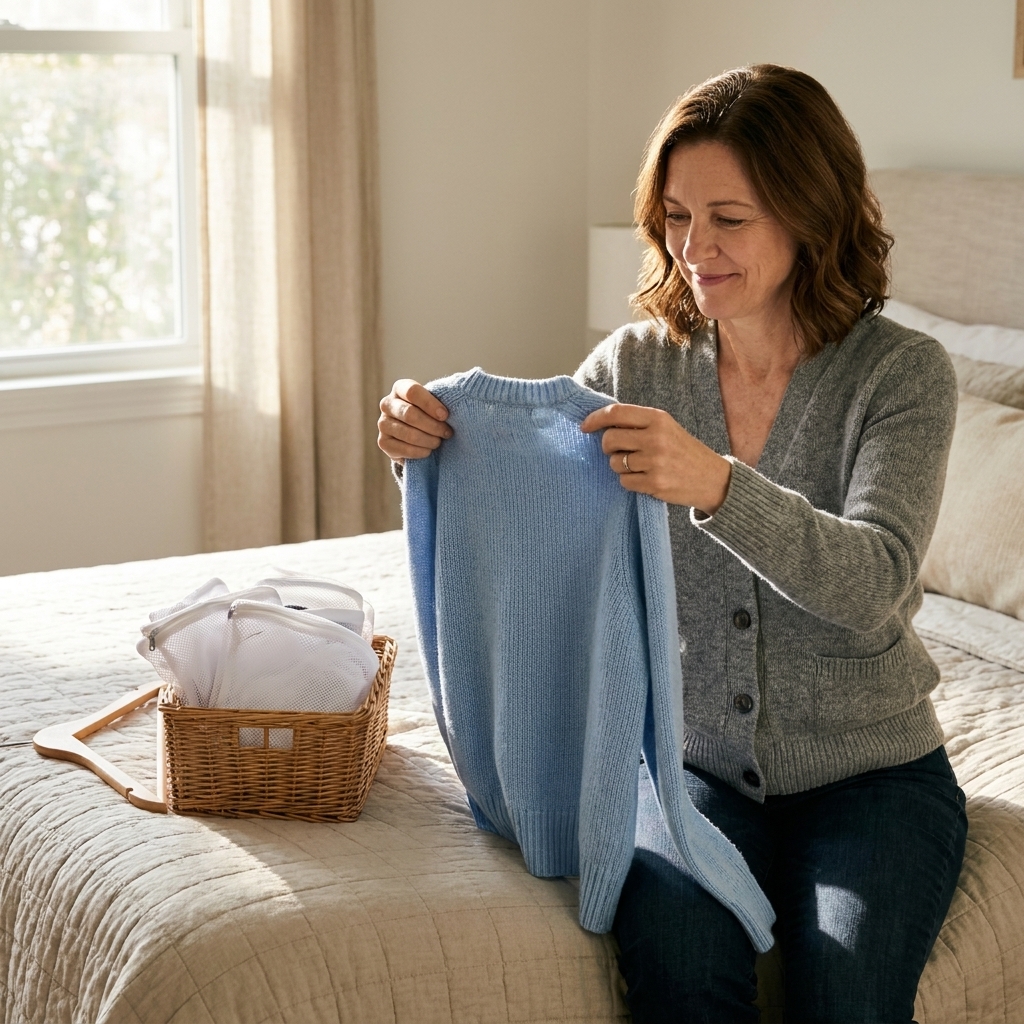
Once your package arrives, your first job is a gentle reset.
My arrival routine
- Air it out: hang it near a window for a few hours (not in direct harsh sun).
- Steam: steaming refreshes fibers and can help lighten everyday odors, but it will not reliably remove smoke or mildew.
- Spot test: especially on silk and wool.
- Dry clean selectively: use it for structured wool and specialty items, not as a default for everything.
- Wash cold when appropriate: cotton tees and denim often do well with a gentle cycle, inside out.
And please, store knits folded. Hangers stretch out shoulders, and I want better for you.
60-second listing check
- Is the fabric listed and does it look substantial?
- Are there clear photos of front, back, tags, and close-ups?
- Do I have measurements (or can I request them)?
- Is the condition described honestly?
- Can I style it at least three ways with my closet?
- Is the total price (with shipping) still a good value?
FAQ
What counts as vintage online?
Vintage is often defined as 20-plus years old, but sellers and publications vary (some use 25-plus). If age matters to you, ask for label photos and any known details about when it was purchased.
Which vintage items are usually the best quality for the money?
In my experience: wool blazers, leather belts and bags, silk scarves and blouses, cotton denim, and well-constructed coats. These categories often have better fabrics and finishing than many modern equivalents at the same price.
How do I avoid buying something that will not fit?
Shop by measurements, not tag size. Compare listing measurements to a similar item you already own that fits the way you like. If a seller cannot provide measurements, I skip it unless it is a very low-risk purchase.
Is it worth tailoring thrifted pieces?
Yes, especially for blazers, trousers, and dresses where shaping makes a huge difference. Just build alteration costs into your budget and prioritize pieces with a strong base fit, especially in the shoulders.