When I’m shopping, I’m not just checking the price tag. I’m checking the fabric tag. The material your clothes are made from affects everything: how long they last, how they feel on your body, how often they need washing, and yes, what they cost the planet in water, energy, chemicals, land use, and microplastics.
Here’s the honest truth: there is no such thing as a perfectly “impact-free” fabric. Farming takes land and water. Processing takes energy. Dyeing can be messy. But there are materials that tend to be lower-impact, longer-lasting, and easier to care for. Those are the ones I reach for when I’m building a wardrobe that feels good in every sense.
What makes a fabric eco-friendly
“Sustainable” can mean a few different things, so I like to break it down into practical shopping questions:
- How is it grown or sourced? (Land use, pesticides, deforestation, animal welfare.)
- How is it processed? (Chemical use, water use, solvent recovery, energy intensity.)
- How long will it last? (Durability is sustainability. A fabric that pills instantly is basically future waste.)
- Can it be cared for and repaired? (Some materials hold up to mending and gentle washing better than others.)
- What happens at the end of its life? (Biodegradable, recyclable, or likely to shed microplastics.)
Two quick realities I always keep in mind while shopping: blends change the math, and so do dyes and finishes. A touch of elastane can make a garment fit better and last longer in real life, but it can also make recycling harder. And while many natural fibers can biodegrade, heavy finishes, certain dyes, and synthetic blends can slow or complicate that end-of-life story.
Keep those in your back pocket as you shop. Now, let’s get into the fabrics that usually earn a spot in my “yes” column.
1) Organic cotton
Organic cotton is still cotton, meaning it can be water-hungry in certain regions. But compared with conventional cotton, organic standards typically prohibit certain synthetic pesticides and fertilizers and can support healthier soil.
Why it matters
- Can reduce exposure to hazardous agrochemicals for farm workers and nearby ecosystems.
- Often paired with better soil management practices.
Shopping tip
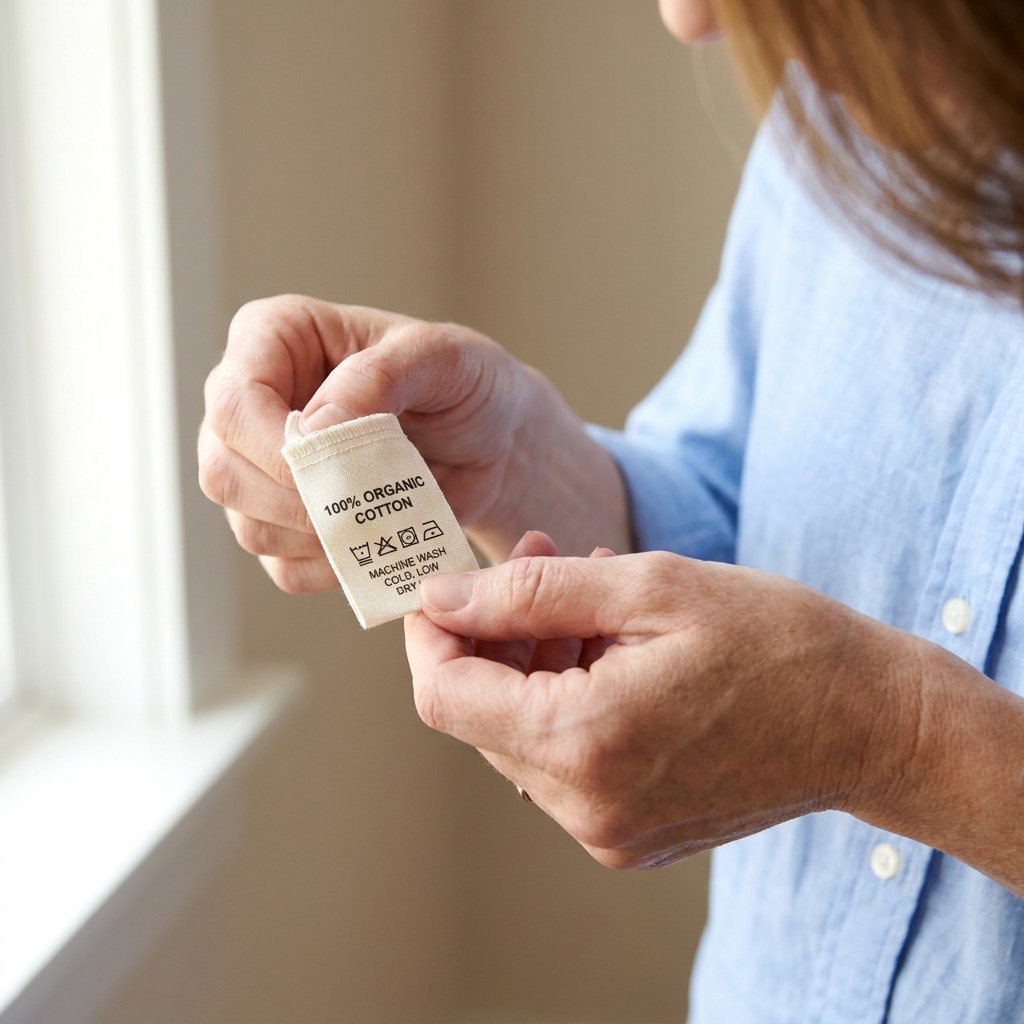
Look for credible certifications like GOTS (Global Organic Textile Standard) or OCS (Organic Content Standard). And remember: the best organic cotton is the one you will wear for years, so prioritize a sturdy knit or a tightly woven poplin over tissue-thin tees.
2) Linen (flax)
Linen is one of my forever favorites. It’s breathable, gets softer with time, and has that relaxed, lived-in elegance that makes even a simple outfit feel intentional.
Why it matters
- Flax often requires less irrigation and fewer inputs than some other fiber crops, but impacts vary by region and farming practices.
- Strong fiber that can last a long time when well made.
Shopping tip
Processing matters here too. Retting and finishing can change a fabric’s footprint, so brand transparency is a real green flag. Also check the opacity and weave. If you can see your hand clearly through it, it may be more prone to wear and tear. For linen that resists bagging at the knees and seat, look for a slightly heavier weight or a linen blend with a low percentage of a sturdier natural fiber.

3) Hemp
Hemp is the tough, capable friend of the fabric world. It can feel a bit crisp at first, but it breaks in beautifully, especially in shirts, workwear-inspired pants, and summer dresses.
Why it matters
- Generally high yield per acre and it can be grown with fewer pesticides, though practices vary by farm and region.
- Very strong fiber, which can mean a longer garment lifespan.
Shopping tip
Hemp can be processed in different ways, and not all are equal. If the brand offers transparency about processing and dyeing, that is a good sign. Also, try it on. Hemp softens with wear, but you still want the cut to feel good today.
4) Tencel Lyocell
If you love that silky drape without the high-maintenance vibe, this is one to know. Tencel is a brand name most commonly associated with lyocell fiber made from wood pulp (often eucalyptus or other sources). In leading systems, the solvent used to make the fiber is recovered and reused at high rates, which can reduce chemical waste.
Why it matters
- Lyocell can be produced with strong solvent recovery, especially in well-documented supply chains.
- Feels cool and smooth, which can mean less friction and, with good construction, less pilling over time.
Shopping tip
Not all lyocell is created equal. “Tencel” is typically used when the fiber comes from the Lenzing company, which is known for stronger traceability. For longevity, look for slightly heavier lyocell weaves and avoid ultra-thin jersey that can stretch out.
5) Lenzing Modal
Modal is another wood-based fiber, often used in soft tees, underwear, and loungewear. It can be a better option when it comes from reputable producers with responsible sourcing and higher environmental standards. I’m specifically most comfortable recommending Lenzing Modal, because the traceability and environmental claims are clearer.
Why it matters
- When sourced and manufactured responsibly, it can be part of a lower-impact basics lineup.
- Very soft, which encourages repeat wear for basics you actually reach for.
Shopping tip
Look for “Lenzing Modal” on the tag for better traceability. And do a gentle stretch test in-store: if it looks like it will grow and never recover, the knit, blend, or construction may be off.
6) Responsible wool
A good wool sweater is a wardrobe workhorse. Warm, breathable, naturally odor-resistant, and often worn more times between washes, which is quietly sustainable in everyday life.
Why it matters
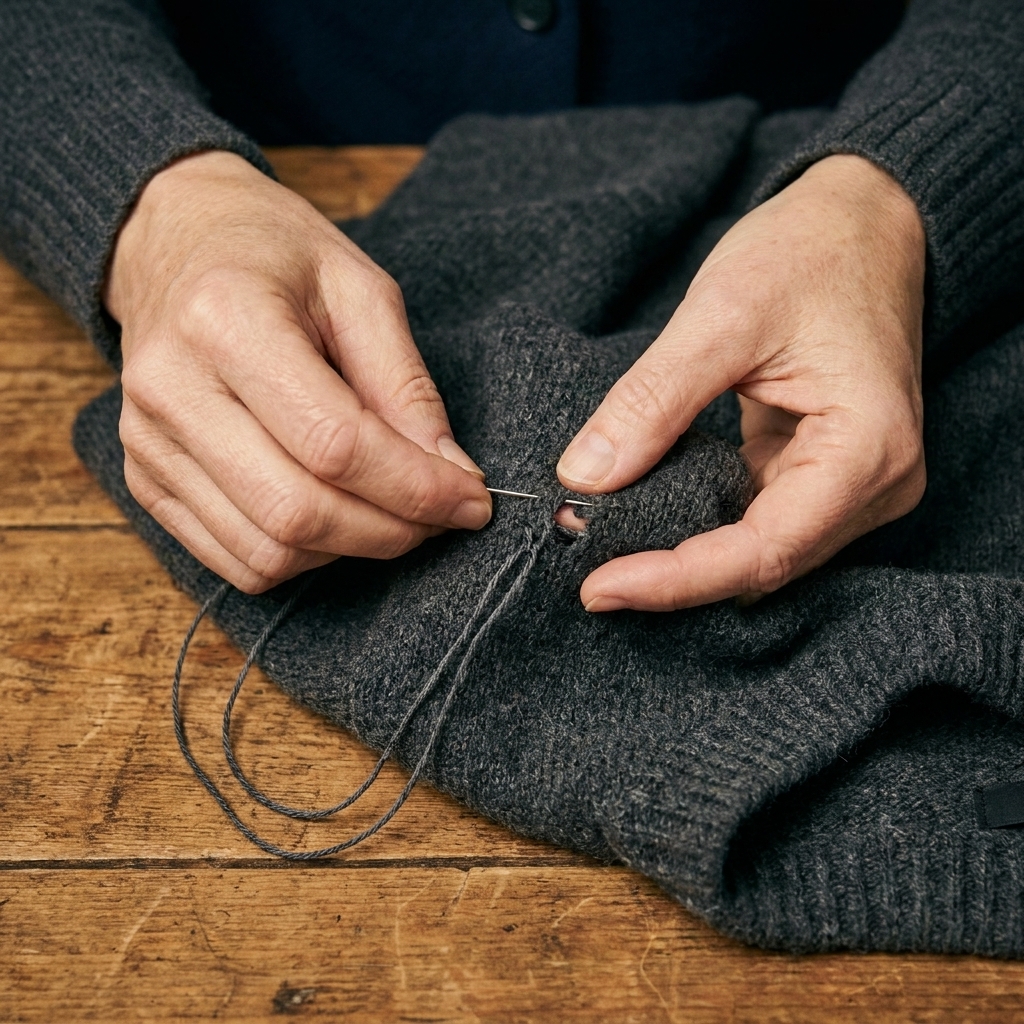
- Long-lasting when cared for properly, and can be repaired.
- Recycled wool gives existing fibers a second life and can reduce the need for virgin material.
Shopping tip
For new wool, look for standards like RWS (Responsible Wool Standard). For recycled wool, check for GRS (Global Recycled Standard). Also, do the “pinch test”: gently pinch the knit. If it springs back and looks dense, it will usually wear better than a loose, airy knit that can pill easily.
7) Recycled cotton
Recycled cotton is made by breaking down cotton scraps or old textiles and spinning them again. It’s a smart way to reduce textile waste, but the fiber can be shorter, which sometimes affects durability.
Why it matters
- Helps divert textile waste from landfills.
- Can reduce demand for new cotton production.
Shopping tip
Recycled cotton is often blended with virgin cotton or another fiber for strength. That is not automatically bad. It can be the difference between a tee that lasts two seasons and one that lasts five. Look for a fabric that feels substantial and seams that look tidy and reinforced.
8) Recycled polyester (rPET)
I know, I know. Polyester is plastic. But recycled polyester can be a better option than virgin polyester because it uses existing material, often from plastic bottles (and sometimes textile waste). Where I land as a stylist: if you need performance features, structure, or outerwear durability, rPET can be a practical compromise.
Why it matters
- Reduces demand for virgin fossil-fuel-based fibers.
- Can keep some plastic in circulation rather than becoming waste, though it is worth noting that bottle-to-fiber can compete with bottle-to-bottle recycling in some systems.
Shopping tip
Be mindful of microplastic shedding in synthetic fabrics. Wash less often, use a microfiber-catching laundry bag or filter, and choose tighter weaves that tend to shed less. Look for GRS certification when possible.
9) Better viscose and rayon
Viscose and rayon are also wood-pulp fibers, but their sustainability depends heavily on how the trees are sourced and how the fiber is processed. Some production has been linked to deforestation and high chemical pollution. The good news: better versions exist.
Why it matters
- Wood-based fibers can be renewable, but only with responsible forestry and cleaner processing.
Shopping tip
Look for certifications like FSC (Forest Stewardship Council) for responsible forestry, or brand-specific claims tied to traceable supply chains. If the tag just says “viscose” with no other info, treat it as a question mark, not a gold star.
10) Deadstock and upcycled
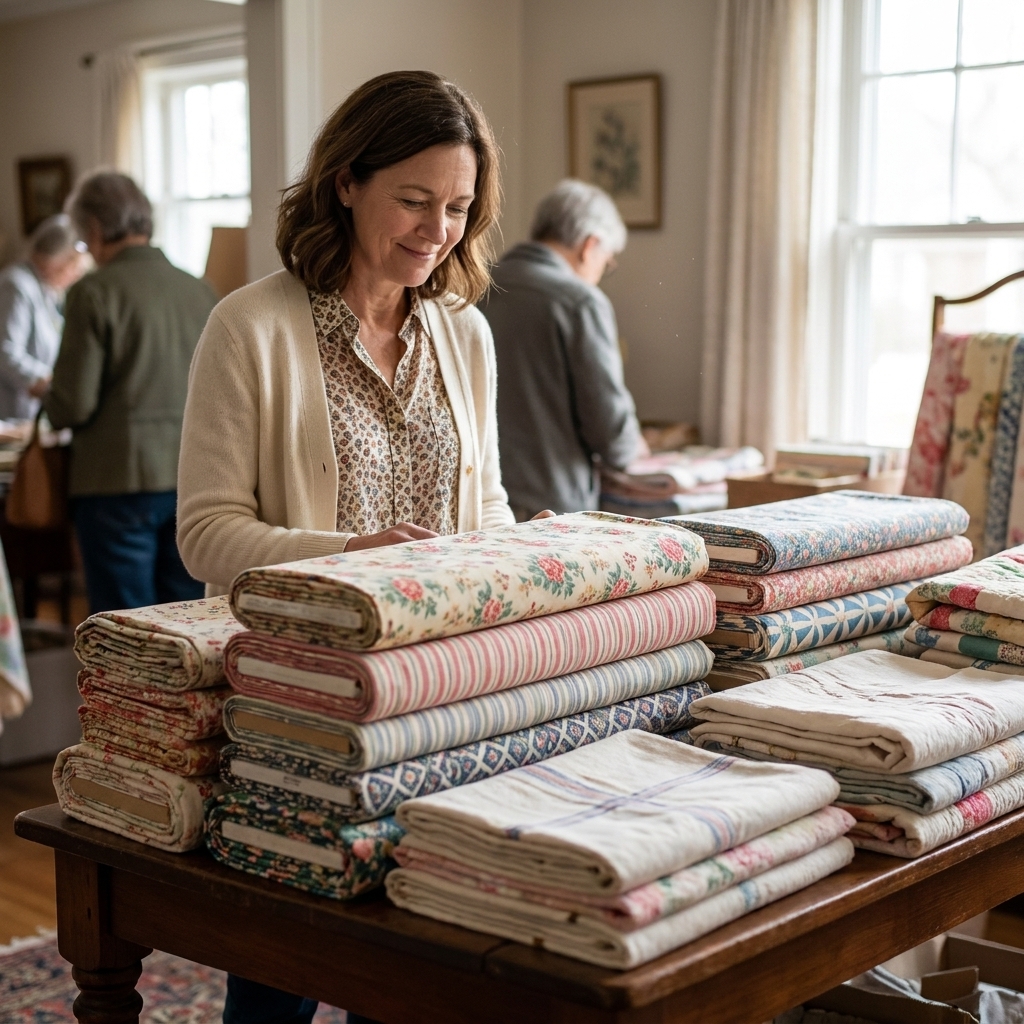
Deadstock refers to leftover fabric from mills or brands that would otherwise sit unused or be discarded. Upcycled textiles take existing garments or materials and transform them into something new. This is where my thrift-store-heart really lights up.
Why it matters
- Uses materials that already exist, reducing demand for new production.
- Can lower waste in the supply chain.
Shopping tip
Deadstock can be a little mysterious. Fiber content may vary, and yardage can be limited. That is not a dealbreaker, it just means you should inspect construction and care instructions carefully. When you find a deadstock piece that fits beautifully, treat it like a rare gem and tailor it if needed.
How to read labels
Sustainability marketing can be loud. I prefer quiet facts. Here’s what to look for when you’re scanning a tag or product page:
- Fiber content percentages. “Made with eco fibers” means nothing without numbers.
- Certifications with names. GOTS, OCS, GRS, RWS, FSC are more meaningful than vague badges.
- Dye and finish info. “Low-impact dyes” or “undyed” can be a plus when backed by details.
- Care requirements. A fabric that needs dry cleaning every week is not a low-impact daily staple for most of us.
- Blends and elastane. A small percentage can improve recovery and comfort, but it can make recycling and biodegrading harder. Decide if the performance tradeoff is worth it for that item.
If you want one simple rule: choose the fabric you will wear the most, care for the easiest, and keep the longest. The greenest outfit is often the one already in your closet, tailored to fit you like it was made for you.
And a quick note for real life: if your budget or local options are limited, do not let perfection talk you out of progress. Focus on durability, fit, and care first. Those pay you back.
Quick swaps
- Swap a flimsy synthetic summer top for linen or hemp.
- Choose Tencel lyocell for drapey trousers instead of delicate, mystery-rayon blends.
- Pick a dense responsible wool sweater you can wear for years instead of a sweater that pills by week two.
- For gym wear or outerwear, opt for recycled polyester and wash strategically.
If you do three things
- Buy less, choose better: prioritize construction, not just fiber names.
- Wash like you mean it: cold water, gentle cycles, air dry when you can.
- Keep it going: mend, depill, resole, and tailor so clothes stay in your life longer.
FAQ
Is bamboo fabric sustainable?
It depends. Bamboo as a plant can grow quickly, but most “bamboo fabric” is actually bamboo viscose, which can involve heavy chemical processing. If you love the feel, look for more transparent sourcing and processing claims, or consider Tencel lyocell as an alternative with a stronger track record for high solvent recovery in leading systems.
Are natural fibers always better than synthetics?
Not always. Natural fibers can involve pesticides, high water use, and land impacts. Synthetics can shed microplastics and rely on fossil fuels. I choose based on the garment’s job: breathable staples in natural fibers, performance and weather protection in thoughtfully chosen synthetics, ideally recycled.
What about silk, leather, or down?
These are tricky and they are worth pausing on. They can be long-lasting, repairable, and biodegradable in theory, but the ethics and impacts depend heavily on farming practices, chemical tanning, and animal welfare. If you buy them, I would prioritize secondhand first, or look for credible welfare and supply-chain standards from brands that are genuinely transparent.
What do “regenerative” claims mean?
Usually, it means farming practices intended to improve soil health and biodiversity over time. It can be promising, but it can also be hard to verify from a hang tag alone. If a brand uses the word “regenerative,” I look for specifics: who verified it, what practices were used, and whether there is third-party documentation.
What is the most sustainable fabric overall?
The one that lasts in your closet. In practice, that often looks like well-made linen, hemp, responsible wool, and certified organic cotton for everyday pieces, plus deadstock and recycled options when they genuinely replace new production.