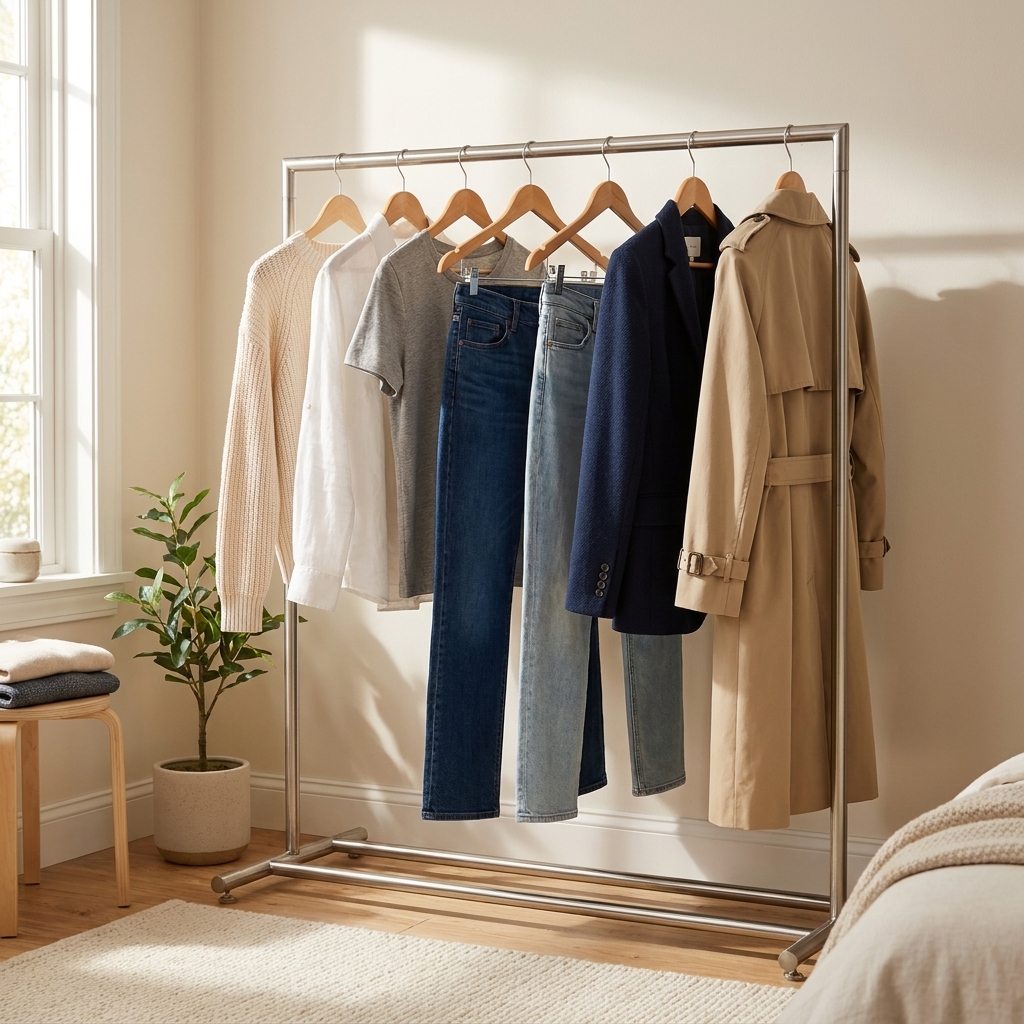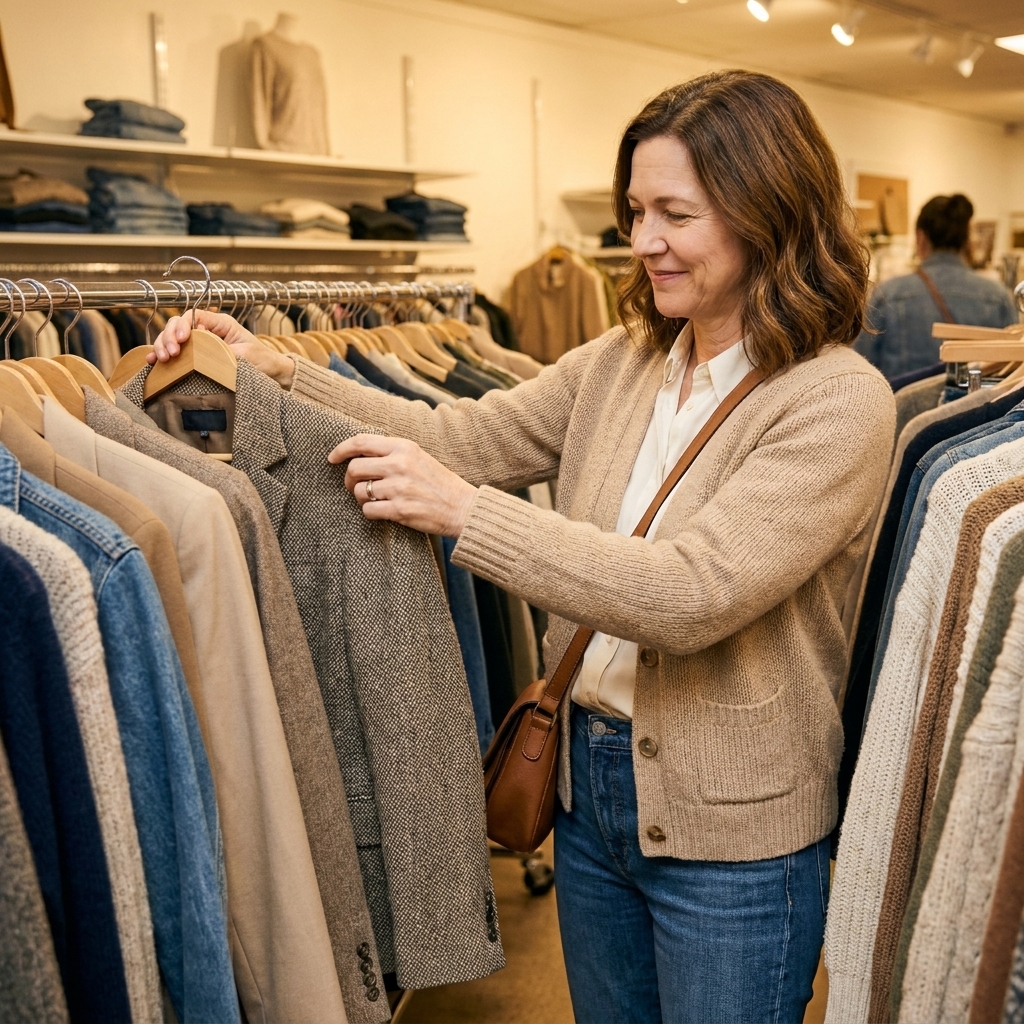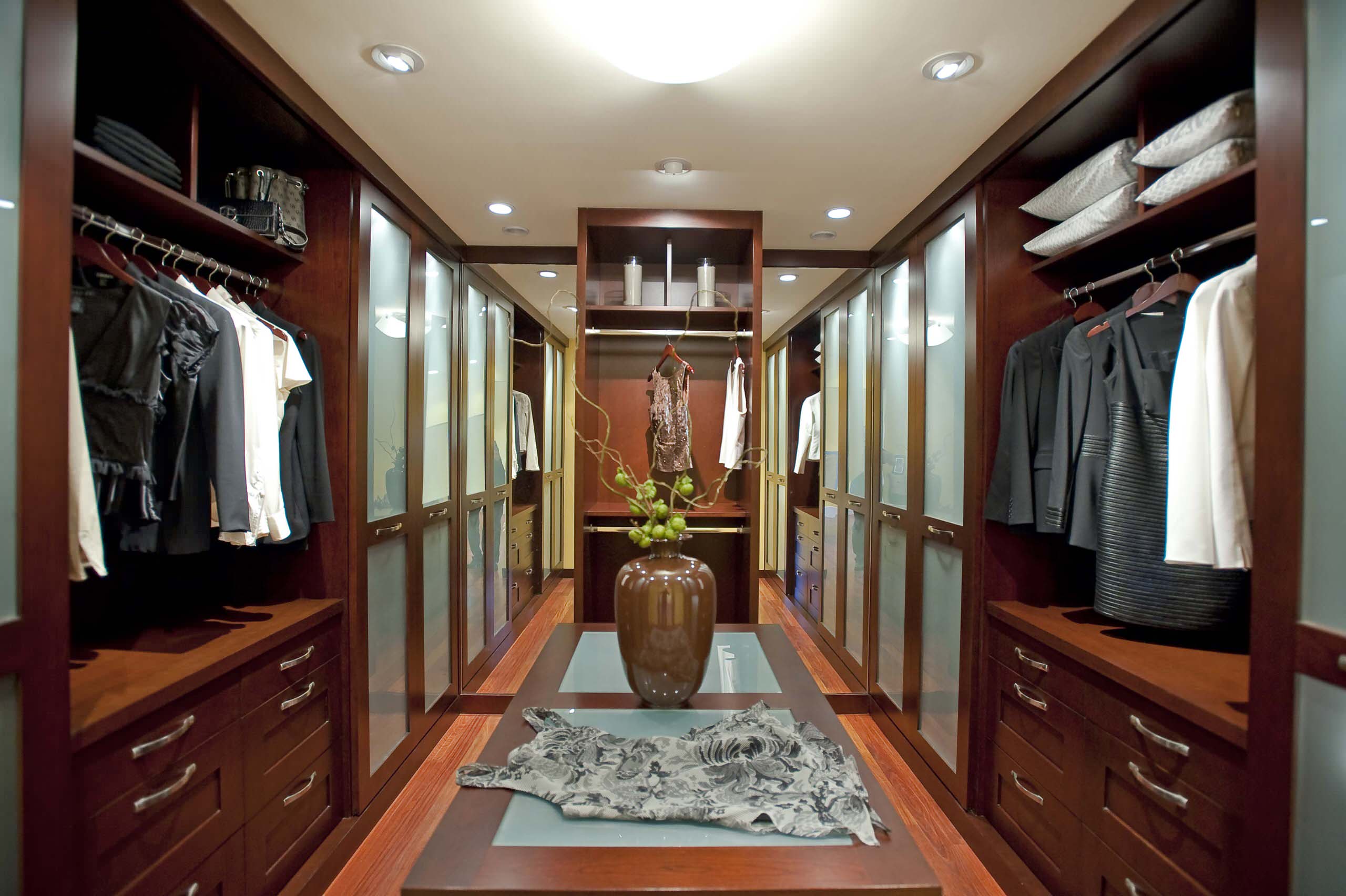
Business casual is supposed to make getting dressed easier, yet it somehow becomes the most confusing dress code of all. One office calls dark denim “polished,” another side-eyes it like you showed up in pajama bottoms. So let’s make this simple: a modern business casual wardrobe (with a feminine-leaning style focus) is a small set of well-fitting, mixable pieces that look intentional, feel comfortable, and can flex from desk to drinks.
I’m going to give you a true checklist, plus the little styling tweaks that make affordable pieces look quietly expensive. You do not need a new personality or a new budget. You need a plan and a good tailor.

Your baseline
Before we buy anything, define your “baseline” so your wardrobe works for your office and your real life.
- Formality level: On a scale of 1 to 10, where does your office land most days? If leadership wears suits, build around blazers and polished trousers. If it’s more relaxed, you can rely more on knits and elevated denim.
- Comfort needs: Commute, walking meetings, temperature swings, sensory preferences, and whether you sit or stand most of the day all matter.
- Your color lane: Choose 2 core neutrals (like black + camel, navy + gray, espresso + cream) and 1 accent color that flatters you and makes you happy. That’s your mix-and-match engine.
- When in doubt: If you are new, client-facing, or unsure, go one notch more formal. You can always relax later, but it is harder to walk back “too casual.”
My tidy-tailored-intentional rule: This is my own rule of thumb, from years of dressing real people for real life. Business casual is less about being trendy and more about being tidy, tailored, and intentional. Fit and fabric do most of the work.
The checklist
Think of this as your “capsule backbone.” Start with fewer pieces if you’re building from scratch, then add duplicates of what you reach for most.
1) Blazers and toppers
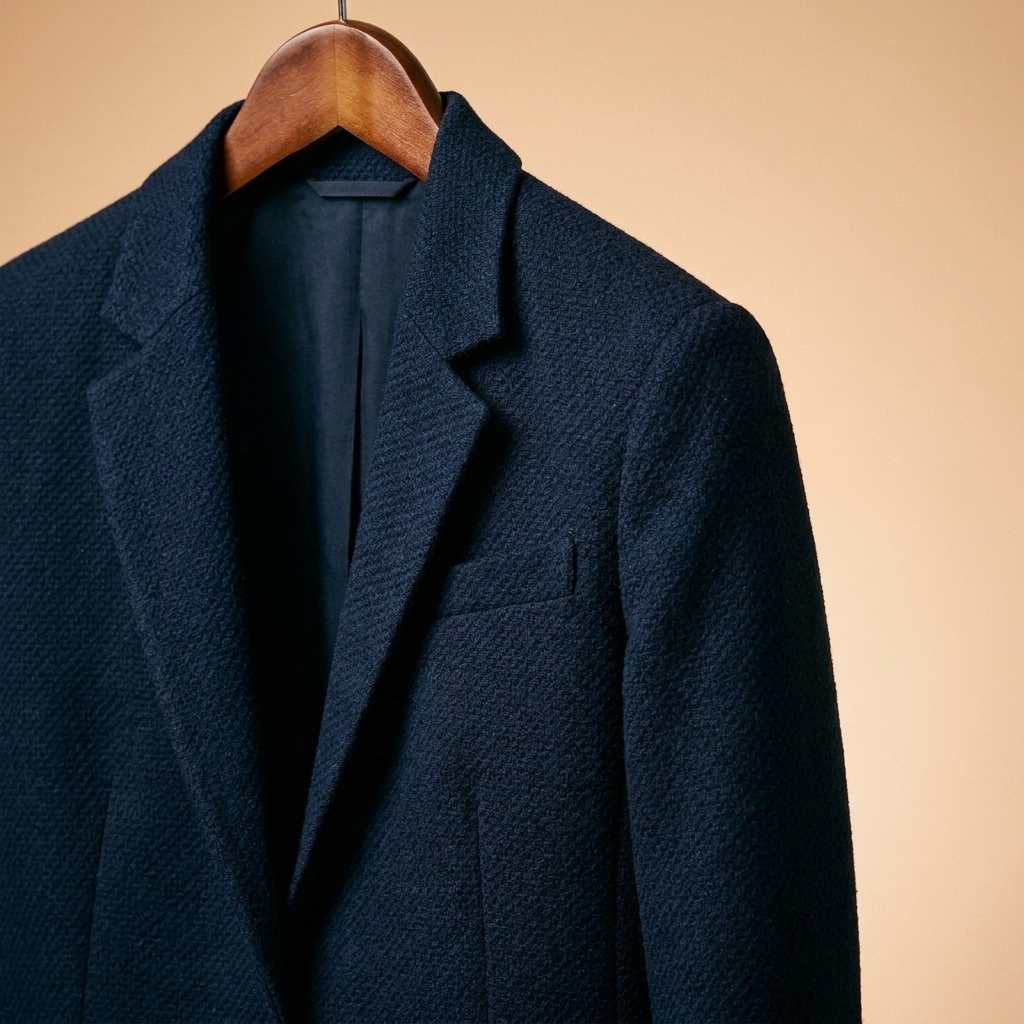
- One everyday blazer in a core neutral (navy, black, gray, camel, or deep olive).
- One softer alternative like a knit blazer, ponte jacket, or cropped lady jacket for days you want polish without stiffness.
- Optional third piece: a longline vest or a lightweight trench coat for transitional weather and instant “I planned this.”
Fit checkpoint: Your blazer should button without pulling, and the shoulder seam should sit right at your shoulder bone. Sleeve length is often one of the easiest, most affordable tailoring fixes, and it changes everything.
2) Work tops
- 2 to 3 elevated tees (thicker cotton, smooth neckline, not see-through).
- 2 knit tops (fine-gauge sweater, ribbed knit, or a polo knit) that layer well under blazers.
- 2 woven tops like a crisp button-up, a silk or satin blouse, or a drapey popover.
- 1 “presentation top” in a color you love that looks great on video calls and in person.
Fabric tip: If you’re shopping thrift or budget brands, look for cotton poplin, Tencel, viscose, silk blends, and ponte. Avoid clingy poly that pills fast unless it’s a high-quality knit.
3) Bottoms
- 1 pair tailored trousers (straight or wide leg reads modern and polished).
- 1 pair slim ankle pants (slim straight or ponte) for easy shoe pairing.
- 1 darker neutral bottom you can repeat all week without anyone noticing (hello, charcoal).
- Optional: dark-wash, clean-hem denim if your office allows it.
Hem guidance: The fastest way to look “off” in business casual is a dragging hem or a too-short break. Hem your pants for your most-worn shoe height.
4) Skirts and dresses
- 1 midi skirt (slip, A-line, or knit) that works with both loafers and boots.
- 1 work dress in a solid or subtle print. Shirt dress, wrap-style or faux wrap, or sheath with stretch are reliable.
- Optional: a second dress for summer heat or travel days.
Comfort test: Sit down, cross your legs, reach for a shelf. If you have to tug and adjust all day, it will never be your favorite.

5) Shoes
- Loafers or sleek flats for everyday wear.
- Low block heels or refined slingbacks for presentations and dinners.
- Minimal leather sneakers only if your office is truly modern-casual (and keep them spotless).
- Weather shoe: a simple ankle boot or rain-ready option for bad days that still looks intentional.
Shoe styling secret: If your outfit is simple, choose the shoe that looks most “finished.” Loafers instantly sharpen knits. A low heel elevates trousers that might otherwise read weekend.
6) Bags, belts, and jewelry
- 1 structured work bag that fits your laptop, charger, and a snack that saves your soul.
- 1 belt (black or brown, depending on your shoe color lane).
- Simple jewelry set: small hoops or studs, a necklace you can leave on, and a watch or bracelet.
- Optional: a silk scarf for instant color and “I’m put together” energy.
Budget win: Accessories are where you can blend high and low beautifully. A vintage leather belt and a classic watch can make a very affordable outfit feel elevated.
Desk-to-drinks outfits
When mornings are chaotic, formulas are your best friend. Rotate these like a playlist.
- Blazer + knit top + trousers + loafers (add a bold lip or earrings for after-hours).
- Button-up + wide-leg pants + belt + slingbacks (roll sleeves slightly for a relaxed vibe).
- Fine-gauge sweater + midi skirt + ankle boots (swap boots for flats in warm weather).
- Work dress + blazer (remove blazer, add necklace, you’re done).
- Monochrome set: black top + black pants + textured topper (reads sleek, not boring).
- Dark denim + blazer + elevated tee (only if office-approved, but it’s a modern classic).

Look expensive for less
Fit over labels
If I could hand you one magic wand, it would be tailoring. Hem your pants. Nip the waist of a blazer if needed. Shorten sleeves. These are small tweaks that can make thrifts and mid-range pieces look custom.
Better textures
Texture reads as richness. Think: wool blends, linen blends, tweed, ponte, crisp poplin, fine knits. Even in simple silhouettes, these fabrics add depth.
Cohesive palette
A tight color story makes repetition look intentional. If you’ve ever admired someone who seems “always put together,” nine times out of ten, they just repeat the same neutrals in different combinations.
Care counts
- Steam or press your clothes.
- Use a fabric shaver on knits.
- Keep shoes clean and conditioned.
- Hang blazers on wide, structured hangers to protect the shoulders.
- Hang trousers on a clamp hanger or fold them neatly over the crease.
Seasonal swaps
Warm weather
- Trade heavy blazers for linen blends or unlined jackets.
- Choose sleeveless tops with wider straps and higher necklines for office appropriateness.
- Go for breathable trousers: Tencel, cotton, linen blend with a clean drape.
Cold weather
- Layer a thin turtleneck under dresses and blouses.
- Add a wool coat or a classic trench with removable liner.
- Swap flats for ankle boots and add opaque tights with skirts.
My favorite trick is a lightweight merino layer. It adds warmth without bulk and keeps you comfortable in over-air-conditioned offices.
Shopping notes
Where to invest
- Blazer (fit and structure matter).
- Work shoes (comfort and durability save money long-term).
- Work bag (you use it daily, it takes a beating).
Where to save
- Elevated tees and basic knits (watch for fabric quality).
- Trend-adjacent pieces like vests or statement colors.
- Skirts and blouses, especially secondhand.
Thrift and vintage tips
- Check seams, underarms, and hems first. Repairs are fine, mystery stains are not.
- Buy for shoulders and hips, tailor the waist.
- Look for natural fibers and quality linings. A lined skirt moves better and lasts longer.
Industry reality check
- More traditional: finance, law, government, and conservative client work often expect structured pieces and closed-toe shoes.
- More relaxed: tech, creative fields, and academia may accept elevated denim or minimalist sneakers.
- Quick rule: match the most polished person on your team on day one, then calibrate from there.
Quick FAQ
Are jeans business casual?
Sometimes. If your office allows denim, choose a dark wash, no distressing, no fading, and a clean hem. Pair with a blazer or structured jacket so it reads intentional.
Are sneakers business casual?
In modern offices, minimalist leather sneakers can pass, especially with trousers and a blazer. If you are unsure, default to loafers. Many people find them just as comfortable once broken in, and they read more traditionally professional.
How many outfits do I actually need?
If everything mixes, 12 to 18 core pieces can create weeks of outfits. Start with: 1 blazer, 5 tops, 3 bottoms, 1 dress or skirt, and 2 pairs of shoes. Add as you notice gaps.
What if my office is business casual but client-facing?
Build around blazers, polished trousers, and closed-toe shoes. Keep one “client day” outfit ready to grab: blazer + crisp top + tailored pants + your most comfortable refined shoe.
What if I dress more masculine or androgynous?
Same framework, different styling lane: try an unstructured blazer, an OCBD or knit polo, wool trousers or chinos, and leather derbies or loafers. Keep the tidy-tailored-intentional rule, just tuned to your personal silhouette and comfort.
Final pep talk
You deserve work clothes that fit your body, your budget, and your actual life. Business casual is not a test of how well you can mimic a catalog. It is an invitation to show up as yourself, just with a little extra polish. Start with the checklist, tailor the pieces you keep reaching for, and let your wardrobe support you the way a good teammate would.