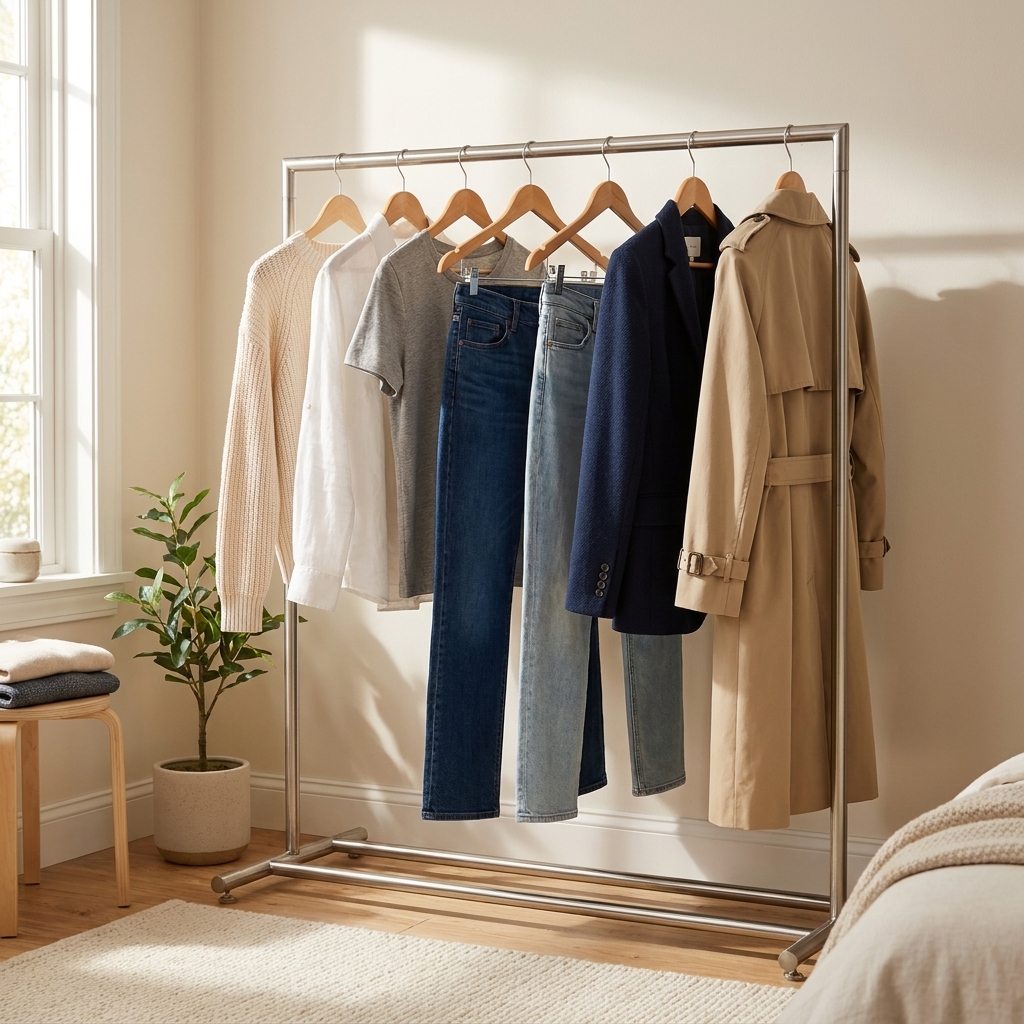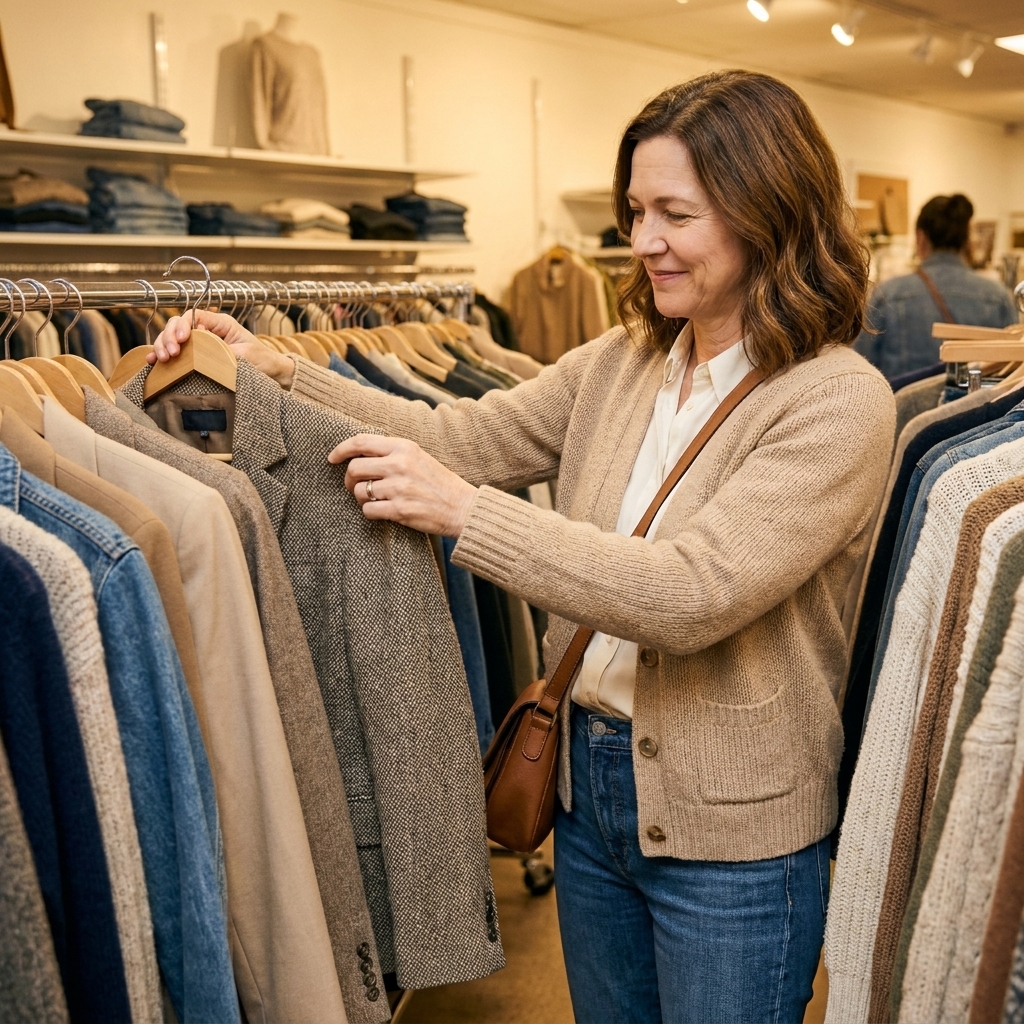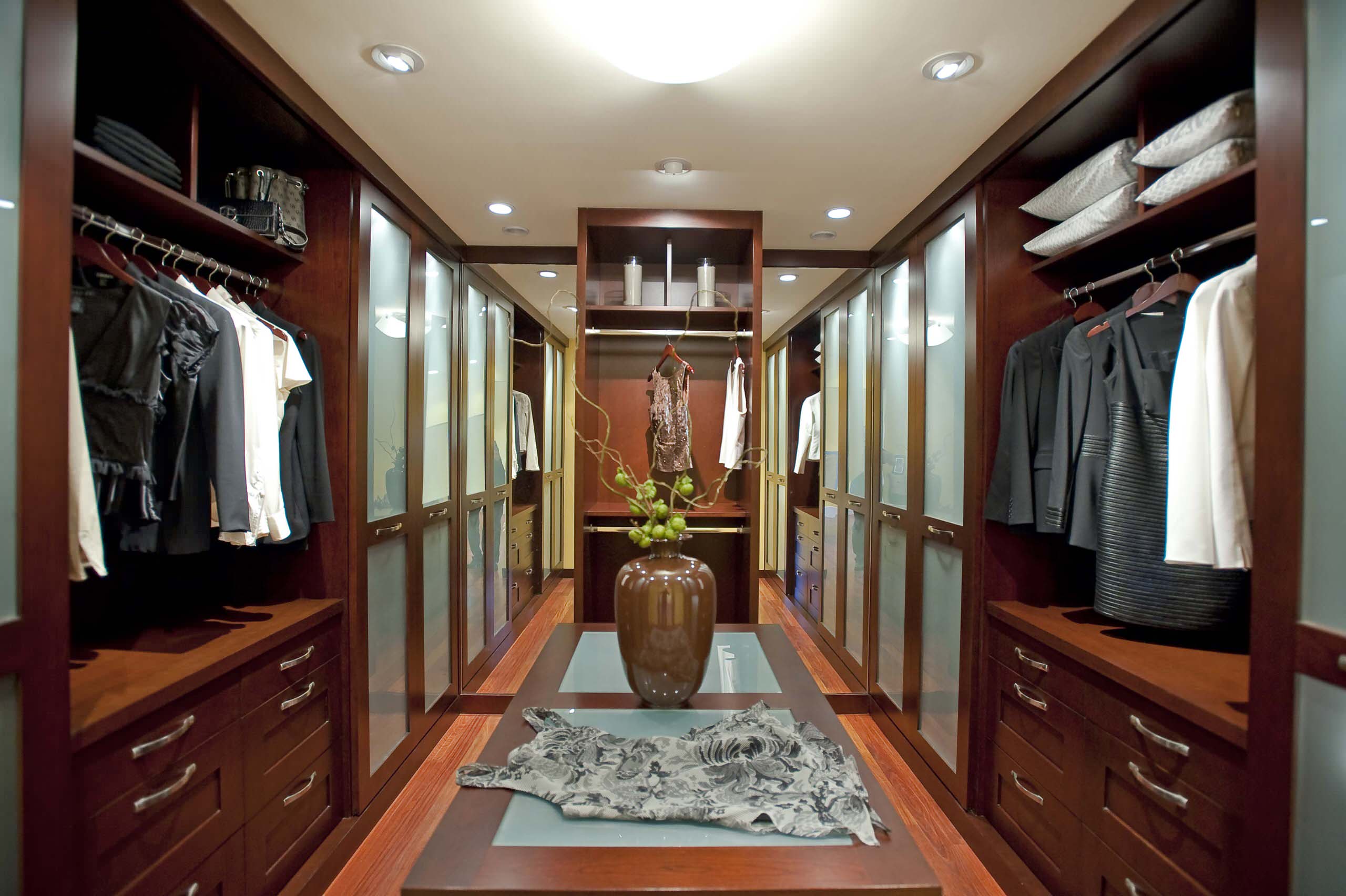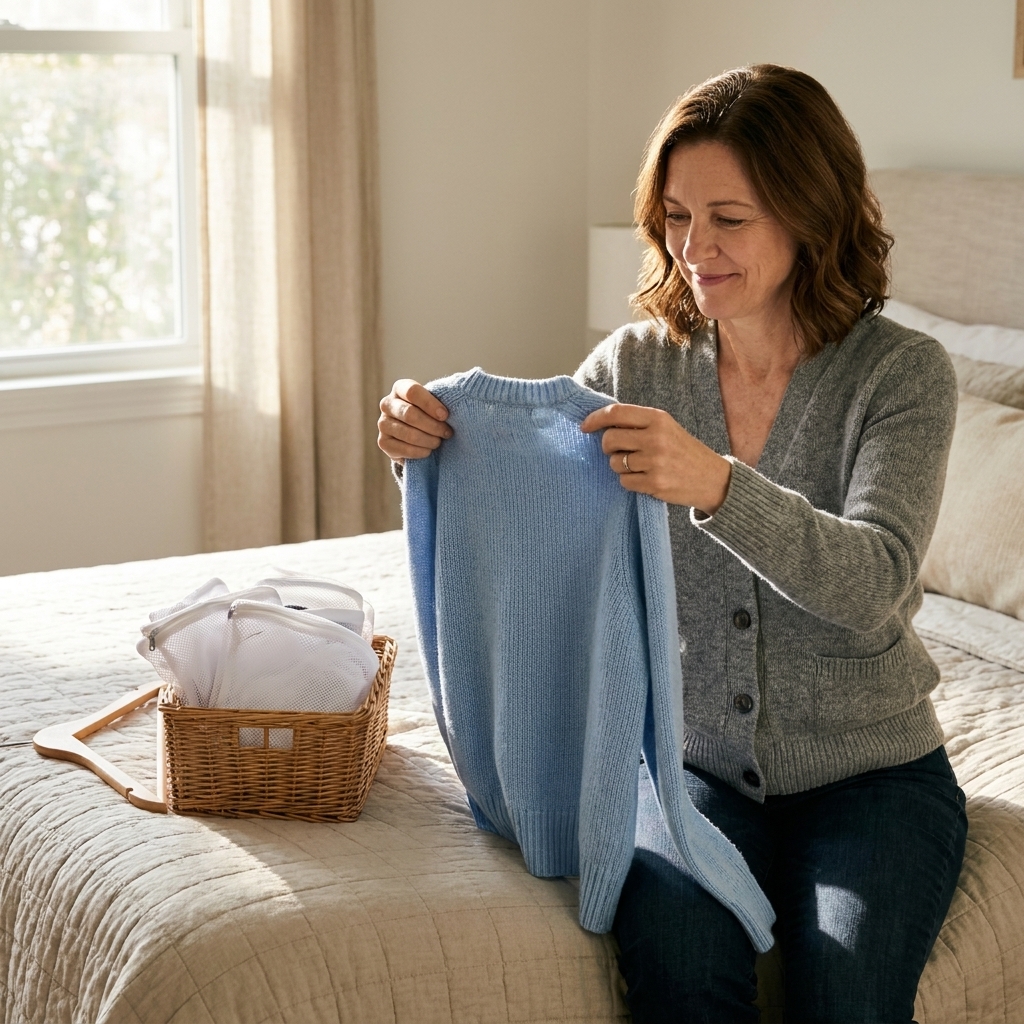
I am all for a splurge, but only the kind that makes your closet feel calmer, not guiltier. The goal is not to build a wardrobe full of pricey items. It is to spend intentionally on the pieces that do the heavy lifting, and save on the items that are easy to replace, trend-sensitive, or mostly hidden.
Think of it like this: investment pieces are the foundation and the finish. They shape your outfit, take wear and tear, and show their quality up close. budget basics are the flexible supporting cast. You want them to fit well and feel good, but they do not need a designer price tag to do their job.
How to decide: the 5-question test
If you are standing in a fitting room or staring at two online carts, run through these questions. They will save you from impulse spending and from underbuying the items that quietly cost you more over time.
- Does it touch your skin all day? If yes, prioritize comfort and fiber quality.
- Does it carry the outfit visually? Outerwear, shoes, bags, and structured layers like a blazer usually do. Quality shows.
- Will it be worn at least once a week? High frequency items deserve durability.
- Is the fit hard to get right? Structured pieces are worth better patterning and tailoring allowance.
- Is it trend-driven or easily duplicated? If yes, buy budget or secondhand.
My rule of thumb from years in merchandising: if an item is supposed to look expensive, it usually needs expensive construction. If it is supposed to disappear into the outfit, it can be affordable.
Where to splurge (and what to look for)
1) A great blazer
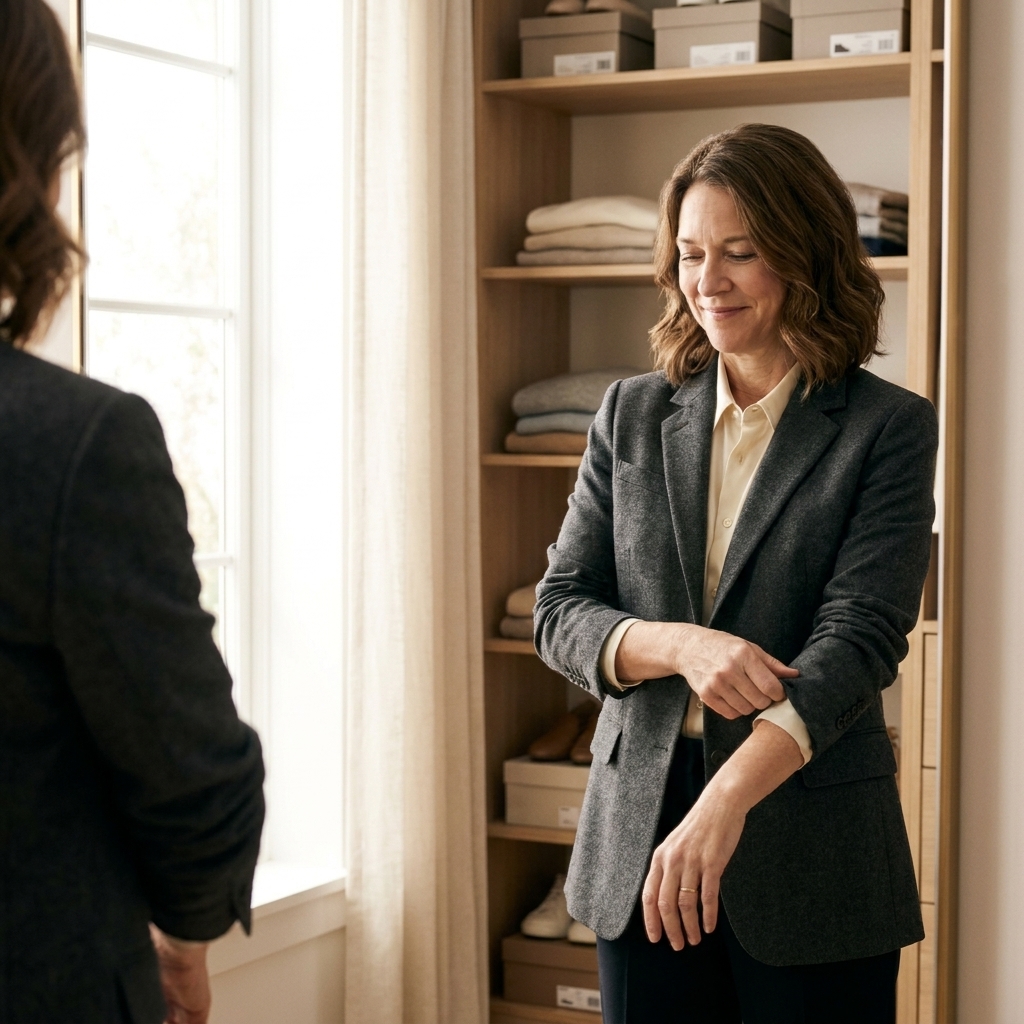
I will say it forever: a well-fitted blazer can shift your whole wardrobe. It sharpens jeans, polishes dresses, and makes even a simple tee feel intentional. Blazers are also one of the hardest items for budget brands to nail because good ones require structure.
- Fabric: wool, wool blends, or sturdy cotton twill. Watch for overly shiny, thin synthetics that look slick under bright light.
- Construction: look for lining, smooth shoulder shaping, and a collar that lies flat.
- Fit tip: you should be able to comfortably hug yourself. If the back pulls, size up and tailor the waist.
- Tailoring allowance: higher-quality blazers may have extra seam allowance, which can make alterations easier.
2) Outerwear you wear constantly
Your coat is the first thing people see for half the year in many climates, and it takes a beating. A solid wool coat or a well-made trench will outlast a closet full of disposable jackets.
- Wool coat: aim for a high wool percentage, dense feel, and good lining.
- Trench: look for substantial cotton, storm flaps, sturdy buttons, and neatly finished seams.
- Check the pockets: flimsy pocket bags are an early sign of cost-cutting.
3) Everyday shoes
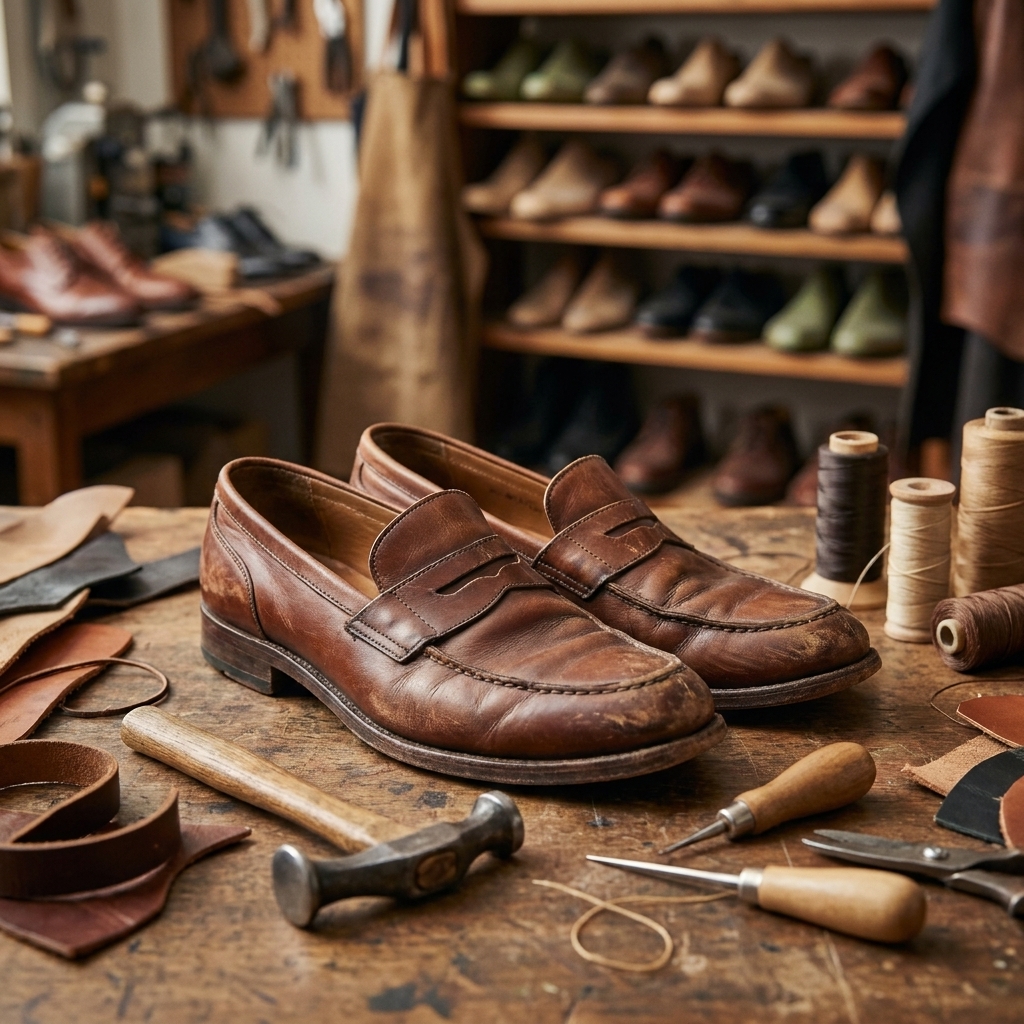
If you wear it on your feet for hours, cheap often becomes expensive. Better shoes are more comfortable, more supportive, and can be repairable when they are built for it.
- Look for: real leather or high-quality vegan alternatives, stable soles, and clean stitching.
- Repairability: if you want resoling potential, look for stitched constructions (like Goodyear welt or Blake stitch) or styles with clearly replaceable soles.
- Fit matters most: do not buy “almost fits” shoes. Blisters are not a personality trait.
4) The bag you carry daily
You do not need a logo to justify a bag investment. You need a bag that holds its shape, does not peel, and makes your life easier.
- Materials: full-grain or top-grain leather ages beautifully, while low-quality faux leather often cracks.
- Hardware: zippers should glide smoothly and clasps should feel secure.
- Function check: if you spend 30 seconds hunting for your keys every day, that bag is costing you peace.
5) Bras and the underpinnings that make outfits work
These are not flashy purchases, but they are outfit makers. A supportive bra, smoothing slip, or comfortable shapewear changes how clothing sits on your body.
- Best splurge items: everyday bra, strapless bra, supportive sports bra.
- What to look for: strong elastic recovery, comfortable straps, and a band that stays level.
6) Denim you truly live in
Not everyone needs premium denim, but if jeans are your uniform, it is worth paying for fabric recovery and a fit that does not bag out by lunchtime.
- Fabric clue: higher-quality denim tends to feel substantial and snaps back.
- Stretch tip: a little elastane is fine, but too much can lead to sagging.
- Alteration-friendly: buy for the waist and hips, then hem. Length is the easiest fix.
Where to save (without looking cheap)
1) Trend-forward tops and statement pieces
Anything that is “having a moment” is a prime candidate for budget or secondhand. Your style should evolve, and your bank account should not take it personally.
- Printed blouses, novelty necklines, bold colors you are testing
- Occasional-event outfits you might wear once or twice
- Seasonal micro-trends
2) Basic tees and tanks
You can absolutely find great inexpensive tees, especially if you focus on fabric weight and fit. Save here, then buy multiples once you find your winner.
- Look for: a thicker knit, tidy neckline, and minimal twisting at side seams.
- Fit tip: choose based on shoulder width first. The rest is easier to tailor or live with.
- Care: wash cold, hang dry. A little gentleness makes a budget tee last.
3) Knitwear, with one exception
You can save on cotton knits and layering cardigans, but I recommend investing in one truly great sweater if you love them.
- Save on: cotton crewnecks, simple cardigans, lighter layers.
- Consider investing in: a classic wool or cashmere blend you will wear for years.
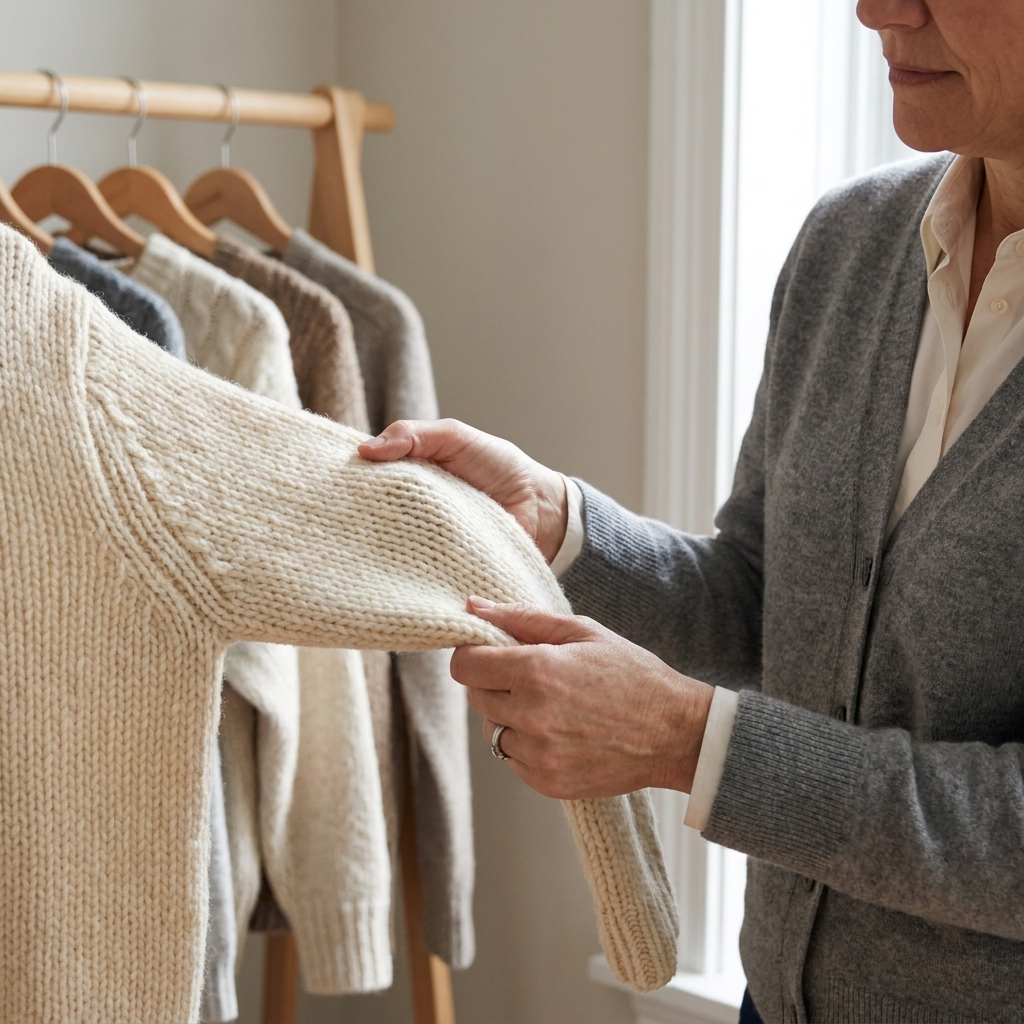
- Quality check: hold it up to light and feel the knit. If it seems very loose, overly fuzzy, or fragile, it may pill more and wear out faster.
4) Workhorse accessories that are easy to duplicate
Belts, scarves, costume jewelry, and hair accessories can be budget-friendly as long as you choose pieces that look intentional.
- Belts: a simple buckle and clean edges matter more than brand.
- Scarves: look for soft hand-feel and saturated color.
- Jewelry: opt for fewer pieces with a cohesive metal tone.
5) Loungewear and at-home basics
Unless you basically live in matching sets, this is a category where budget options shine. Prioritize comfort, then replace as needed.
The gray area: when it depends
White button-down shirts
A crisp shirt can be an investment, but it does not have to be. If you struggle with gaping at the bust or pulling at the shoulders, you might be better off buying a mid-priced shirt and budgeting for tailoring.
- Splurge if: you wear it weekly, you need it to look sharp all day, or you love higher-end cotton.
- Save if: you mainly layer it under sweaters and blazers.
- Tailor tip: adding a small hidden snap at the bust is often cheaper than buying a new shirt.
Black trousers
High-quality trousers hang better and resist shine at the knees, but fit is everything. If you find a budget pair that fits perfectly and drapes nicely, you win.
- Splurge if: you need them for work and wear them multiple times a week.
- Save if: you only need them for occasional dressy events.
- Fabric watch: very thin synthetics can look slick under office lighting.
Winter boots
In a mild climate, you can save. In a snow-and-salt city, invest. Waterproofing and traction are non-negotiable.
- Splurge if: you walk a lot in winter weather.
- Save if: you drive most places and only wear them briefly.
Cost-per-wear: the math that keeps you sane
Here is a quick way to decide if a splurge is actually practical. Estimate how many times you will wear it in a year, multiply that by the number of years you expect it to last, then divide the price by that total number of wears.
- $300 coat worn 100 times per year for 3 years = 300 total wears. $300 ÷ 300 = $1 per wear.
- $60 trendy jacket worn 10 times total = $60 ÷ 10 = $6 per wear, and it may not survive the season.
This is not about forcing yourself to justify every purchase. It is about noticing which items earn their keep.
How to make budget pieces look elevated
I love a good budget find. The secret is choosing the right details and finishing the outfit like you meant it.
- Tailor one thing: hem your pants, nip a waist, shorten sleeves. Even one alteration can make the whole outfit look custom.
- Steam, do not just iron: a quick steam makes inexpensive fabric look smoother and more expensive.
- Upgrade your buttons: swapping plastic buttons for tortoiseshell or metal can transform a coat or cardigan.
- Stick to a cohesive palette: monochrome or tonal outfits make affordable items read polished.
- Mind your shoes and bag: these are the quickest giveaways. Keep them clean and in good repair.
A simple shopping plan that works
Step 1: Identify your top three “uniform” outfits
What do you wear when you feel like yourself? Jeans and a blazer? Dresses and boots? Wide-leg trousers and knits? Your investments should support that reality, not a fantasy life.
Step 2: Choose 1 to 2 investment categories per season
Trying to upgrade everything at once is how we end up with one nice coat and no socks. Pick one lane and build slowly.
Step 3: Fill the gaps with budget basics
Once the foundation is strong, you can be flexible with the supporting pieces. This is where thrifting, sales, and smart basics shine.
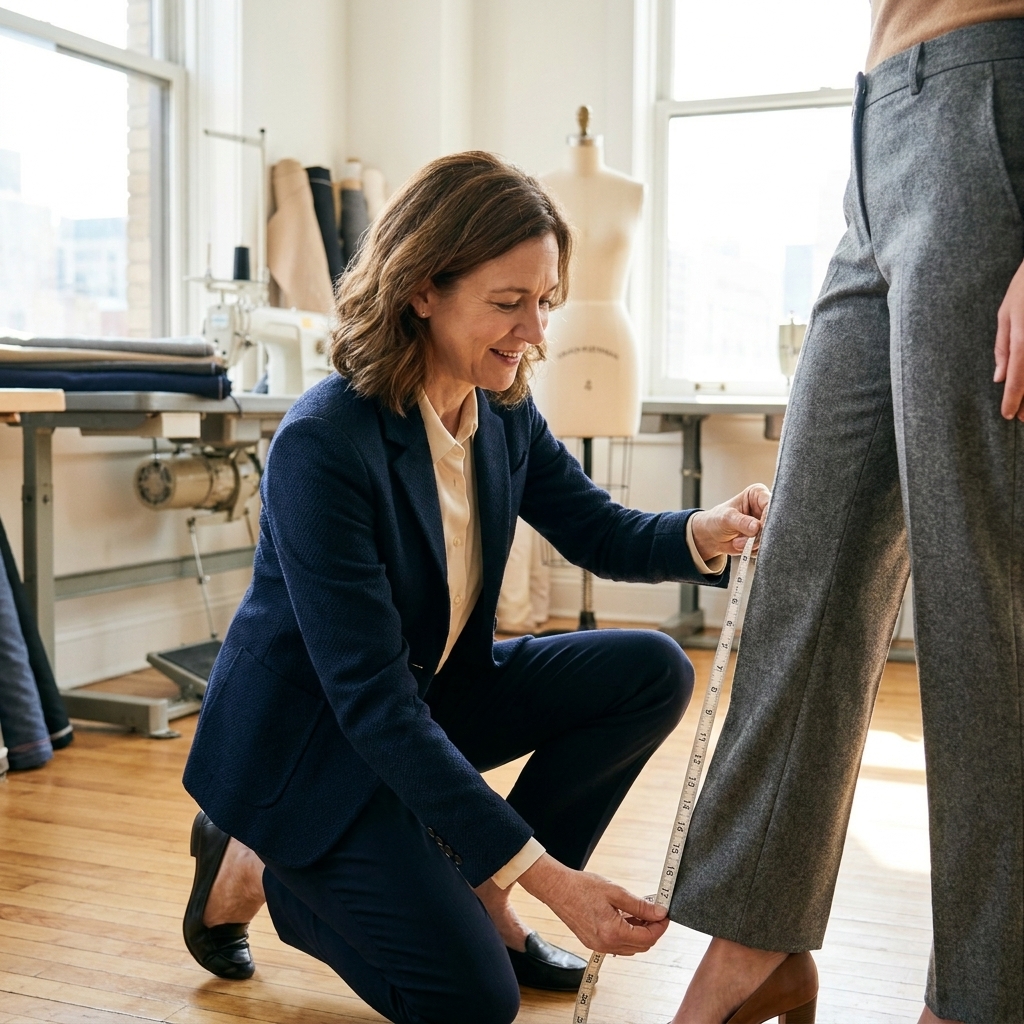
Step 4: Leave room for tailoring
Even a modest alterations budget can do more for your style than chasing a higher price tag.
Step 5: Maintain what you buy
Small habits extend the life of investment pieces: brush and air out wool, condition leather now and then, and rotate shoes so they can dry out and keep their shape.
FAQ
Is it ever worth buying designer basics?
Sometimes, yes. If the brand is known for exceptional fabric and construction and you will wear the piece weekly for years, it can be worth it. Just make sure you are paying for quality, not just a label.
What are the biggest “regret buys” you see?
Coats that are not warm enough, shoes that hurt, and bags that peel. Comfort and durability are the unglamorous deal-breakers.
What should I prioritize if I am building a wardrobe from scratch?
Start with shoes you can walk in, a coat that fits your climate, and one structured layer like a blazer or jacket. Then add budget basics in your favorite silhouettes and colors.
Is secondhand good for investment pieces?
Absolutely. In fact, it is one of my favorite ways to buy higher-quality wool coats, leather bags, and classic blazers. Look for clean linings, intact seams, and minimal pilling. Budget for dry cleaning or small repairs and you can end up with something truly special.
The bottom line
Splurge where quality changes how you feel and how the garment performs: structure, warmth, support, and daily wear. Save where fit is easy, trends change quickly, and replacements are painless. Buying fewer, better pieces (and mixing in secondhand when you can) is both budget-friendly and easier on the planet. Your wardrobe should serve you, not the other way around. And if you ever feel stuck, start with the blazer. It solves more outfit problems than it has any right to.