Most clothes do not “wear out” all at once. They fade, pill, stretch, snag, and slowly lose their shape until we stop reaching for them. The good news is that garment care is mostly small habits, not fancy products. If you wash a little less aggressively, dry with intention, and fix issues when they are tiny, you can add years to the pieces you already love.
This guide is my real-life, stylist-approved routine for making clothes last longer, with simple swaps that also reduce your fashion footprint. Think: less laundry drama, fewer impulse replacements, and more “this still looks great on me” moments.
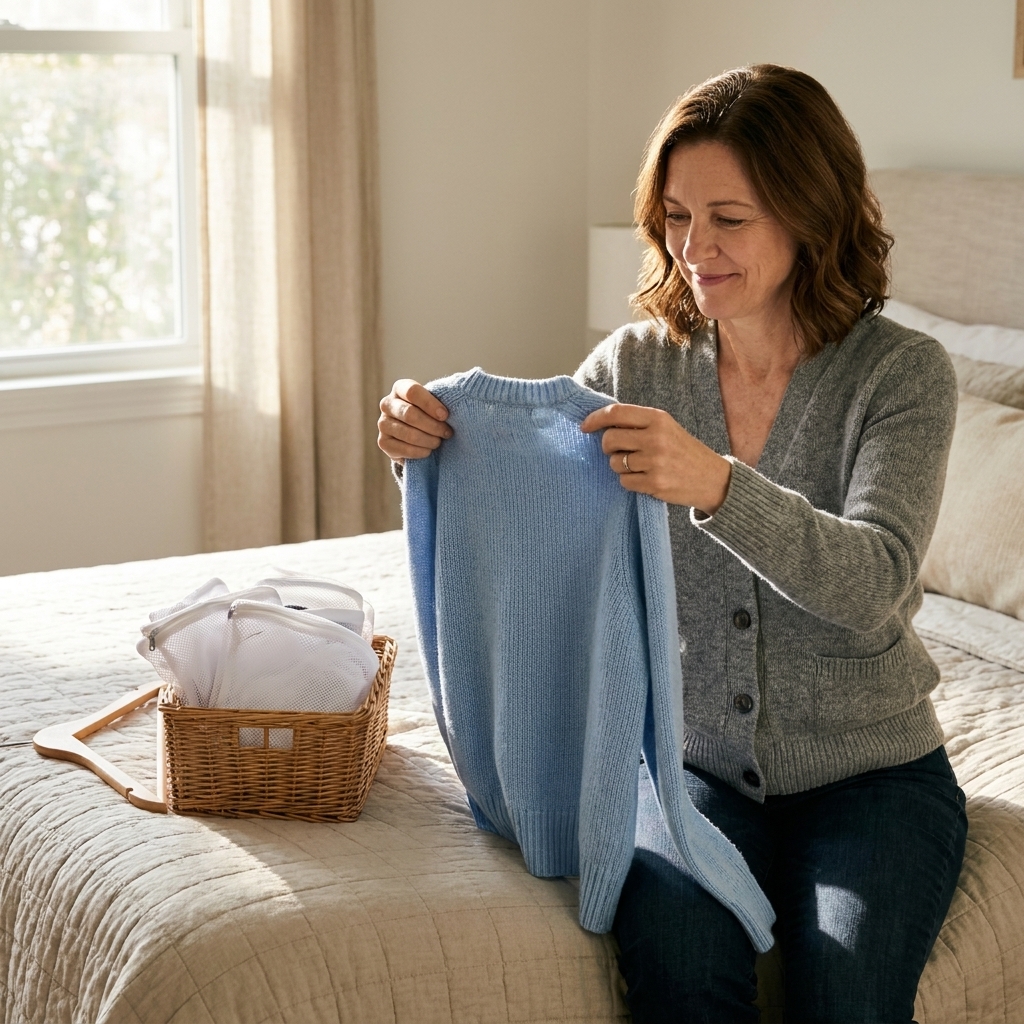
The biggest causes of clothing wear
If you want maximum lifespan, focus on what breaks fibers down the fastest. In my experience, it is usually one of these:
- Heat from hot washes and high dryer settings
- Friction from overstuffed loads, rough zippers, and heavy agitation
- Harsh chemistry from too much detergent, frequent bleach, or strong stain removers
- Time spent dirty like sweat and body oils sitting in collars, underarms, and waistbands
- Bad storage like stretched knits, shoulder bumps, moths, or sun fading
So our strategy is simple: less heat, less friction, gentler products, faster spot care, and better storage.
Wash less, refresh more
This is the most sustainable tip because it is also the easiest. Not everything needs a full wash after one wear. Washing is where a lot of fabric damage happens, especially for knits, dark denim , and anything with elastane.
My “wear count” cheat sheet
Use this as flexible guidance. Your climate, commute, fabric, skin sensitivity, and how much you sweat all matter.
- Tees and base layers: 1 to 2 wears (depending on sweat and deodorant transfer)
- Jeans: 5 to 10 wears, spot-clean in between
- Sweaters: 3 to 8 wears with a layer underneath
- Blazers and structured jackets: spot-clean, steam, and brush. Dry clean only when truly needed
- Bras: about 2 to 5 wears, rotate to let elastic recover (wash sooner if you sweat or your skin is sensitive)
- Wool coats: once or twice per season, mainly spot-clean and air out
Easy ways to refresh without laundering
- Air it out: Hang pieces in a ventilated spot for a few hours after wearing.
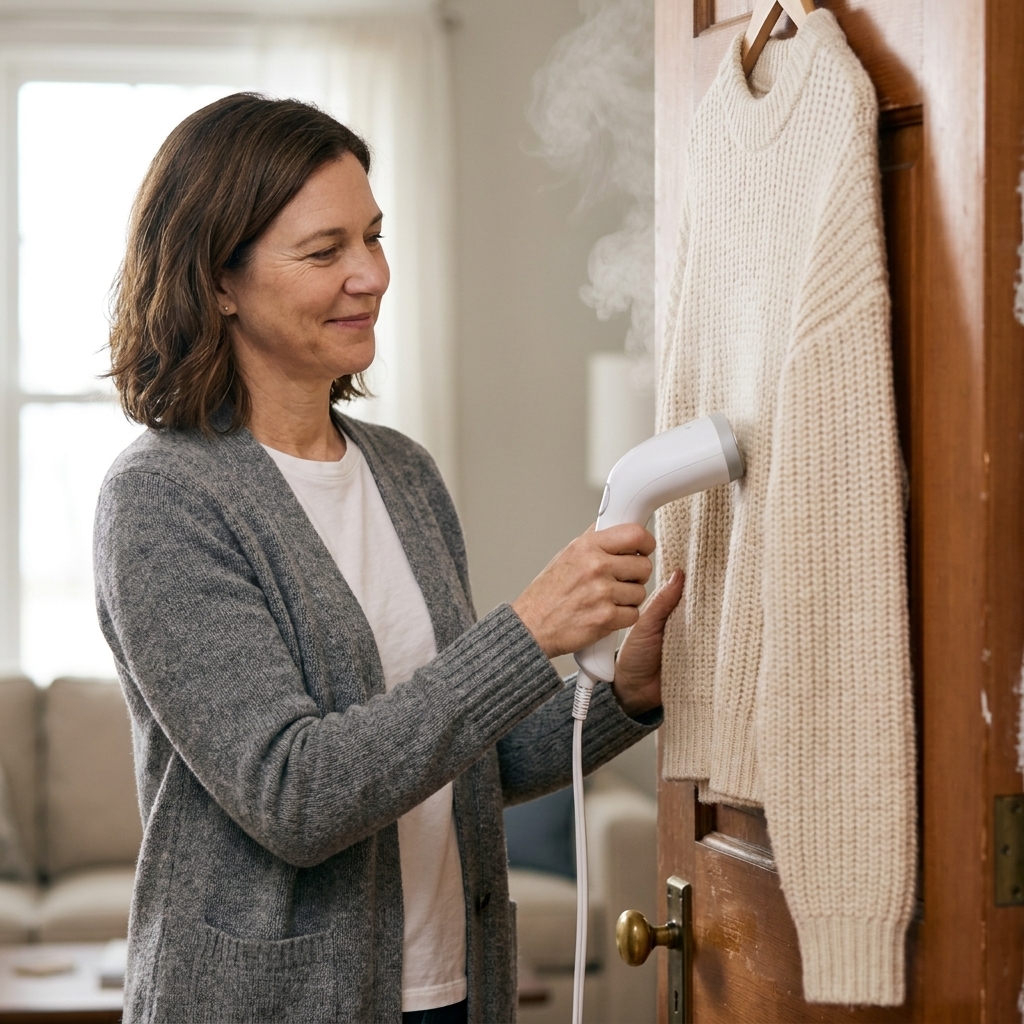
- Steam: A handheld steamer relaxes wrinkles and can help reduce light odors. It will not fully sanitize or remove embedded oils, so think of it as a refresh, not a reset.
- Fabric brush: Especially for wool coats and trousers. It removes dust and surface debris that can grind into fibers.
- Spot clean: Treat the small area instead of washing the whole garment.
Washing smarter
If there is one mantra I want taped to every laundry room wall, it is this: cold water, gentle cycle, correct amount of detergent. Those three choices alone can dramatically reduce fading and fiber breakdown.
Sort like a stylist
You do not have to create ten micro piles. These are the ones that matter most:
- Lights and darks: Prevent dye transfer and keep whites brighter.
- Heavy and delicate: Towels and jeans should not beat up on tees and knits.
- Lint producers and lint magnets: Towels and fleece shed lint; black knits and velvets grab it.
Turn these items inside out
- Dark denim and dark tees (less fading)
- Sweatshirts and knits (less pilling)
- Anything with prints (protects the surface)
Zip, button, and bag
Open zippers are tiny saw blades. Before washing:
- Zip zippers and fasten hooks
- Button 1 to 2 buttons (including the collar) to help shirts keep their shape, or use a mesh bag for more delicate button-downs
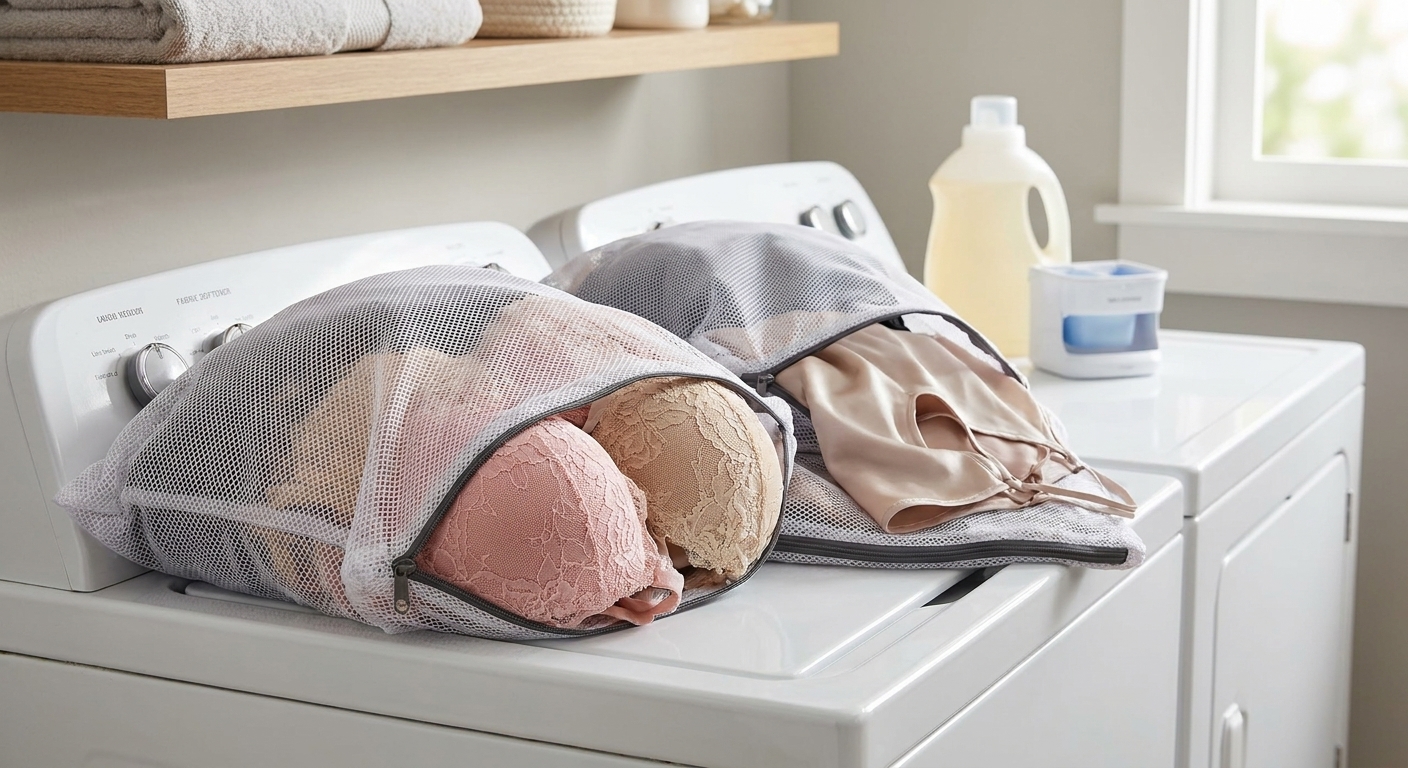
- Use mesh bags for bras, hosiery, lace, and anything you would cry over if it snagged
Detergent: less is more
Most people use too much detergent, which can leave residue that traps odor and makes fabric feel dull. Instead of defaulting to a full cap, start with the lower end of the label range, then adjust for load size, soil level, and water hardness. If you have soft water, you often need even less.
Water hardness + detergent type, in plain English: Hard water can make detergents work less efficiently, so you may need a bit more, or a detergent formulated for hard water. Enzyme detergents are great for everyday grime and many stains (especially protein-based stains). Powder detergents can be excellent for whites and odor, while liquids dissolve well in cold water and are easy for spot pre-treating. Oxygen bleach plays nicely with most detergents and is generally safer for colors than chlorine bleach.
Skip fabric softener for most loads. It coats fibers and can reduce absorbency (towels) and breathability (athletic wear). If you want a softer feel, use white vinegar in the rinse occasionally, not every load. Never combine vinegar with chlorine bleach (dangerous fumes). Also note that frequent vinegar use may degrade some rubber seals over time in certain machines.
Drying
Heat is efficient, but it is tough on fibers and especially tough on elastic. If you want your clothes to last, treat the dryer like a tool you use selectively, not a default.
Best option: air dry with shaping
- Shake out garments before hanging to reduce wrinkles.
- Reshape collars, cuffs, waistbands, and seams with your hands.
- Dry flat for most sweaters and heavier knits, to prevent stretching.
- Avoid direct sun for darks and bright colors to prevent fading.
If you use the dryer, use it strategically
- Low heat whenever possible
- Shorter cycles and remove while slightly damp
- Finish on a hanger for shirts and dresses to reduce wrinkles and preserve shape (avoid hanging heavy knits)
Stylist tip: If your jeans feel stiff after air drying, toss them in the dryer for 5 minutes on low with dryer balls, then hang. You get softness without a full heat blast.
Fabric-specific care
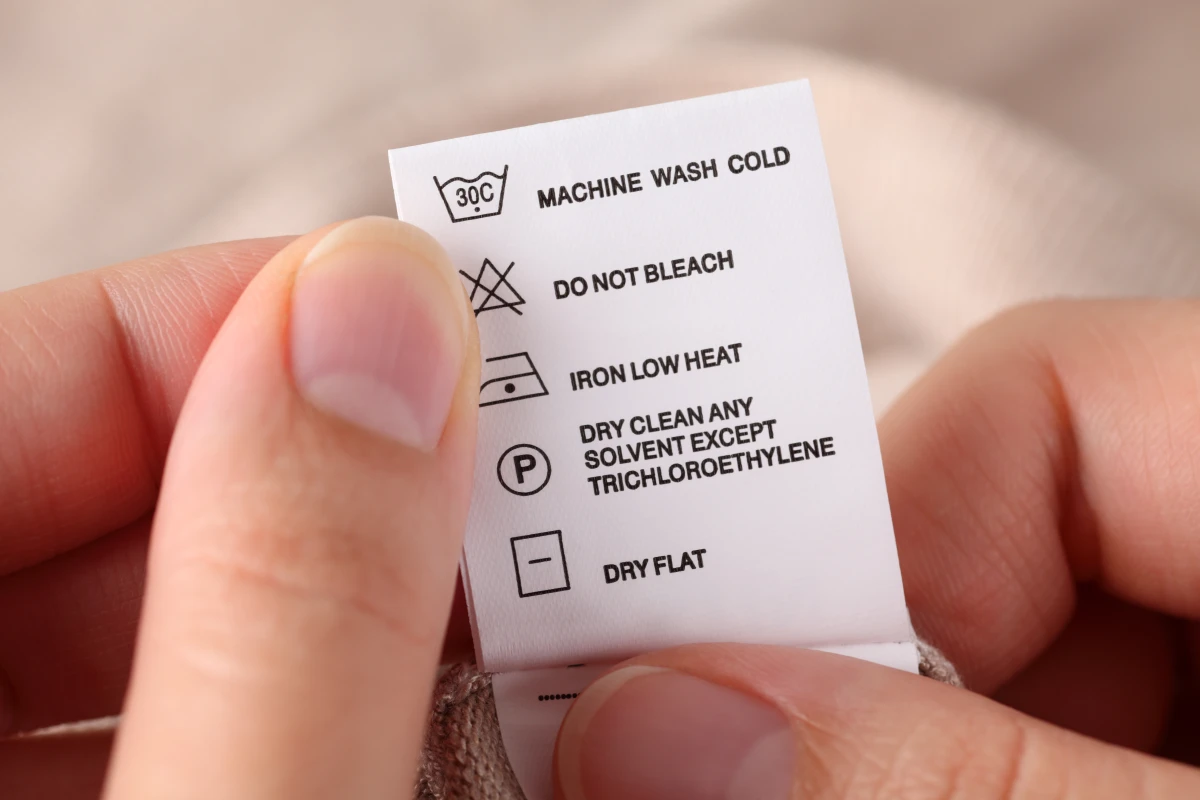
Care labels can be vague. Here is the practical version, based on how these fabrics behave in real life.
Denim
- Wash inside out, cold, gentle.
- Skip the dryer or use low heat briefly.
- Spot clean with a tiny bit of gentle soap and water.
Wool and cashmere
- Air out between wears and brush to remove surface grit.
- Hand wash or use a wool cycle with wool-specific wash.
- Dry flat, reshape, and store folded.
Cotton tees
- Cold wash and avoid overdrying.
- Hang dry to prevent shrinkage and twisting seams.
- Treat underarm buildup early (more on that below).
Silk
- Hand wash if the dye is stable and the weave is sturdy, otherwise professional cleaning.
- Never wring. Press water out with a towel.
- Use a cool iron or steam from a distance.
Athleisure and stretch fabrics
- Wash cold, turn inside out, use minimal detergent.
- Avoid fabric softener (it traps odor and reduces performance).
- Air dry to protect elastane.
Microfiber note: Synthetics can shed microfibers in the wash. If you wear a lot of athleisure, consider a microfiber-catching wash bag or laundry filter, wash full (but not overstuffed) loads to reduce friction, and avoid overdrying.
Leather and suede
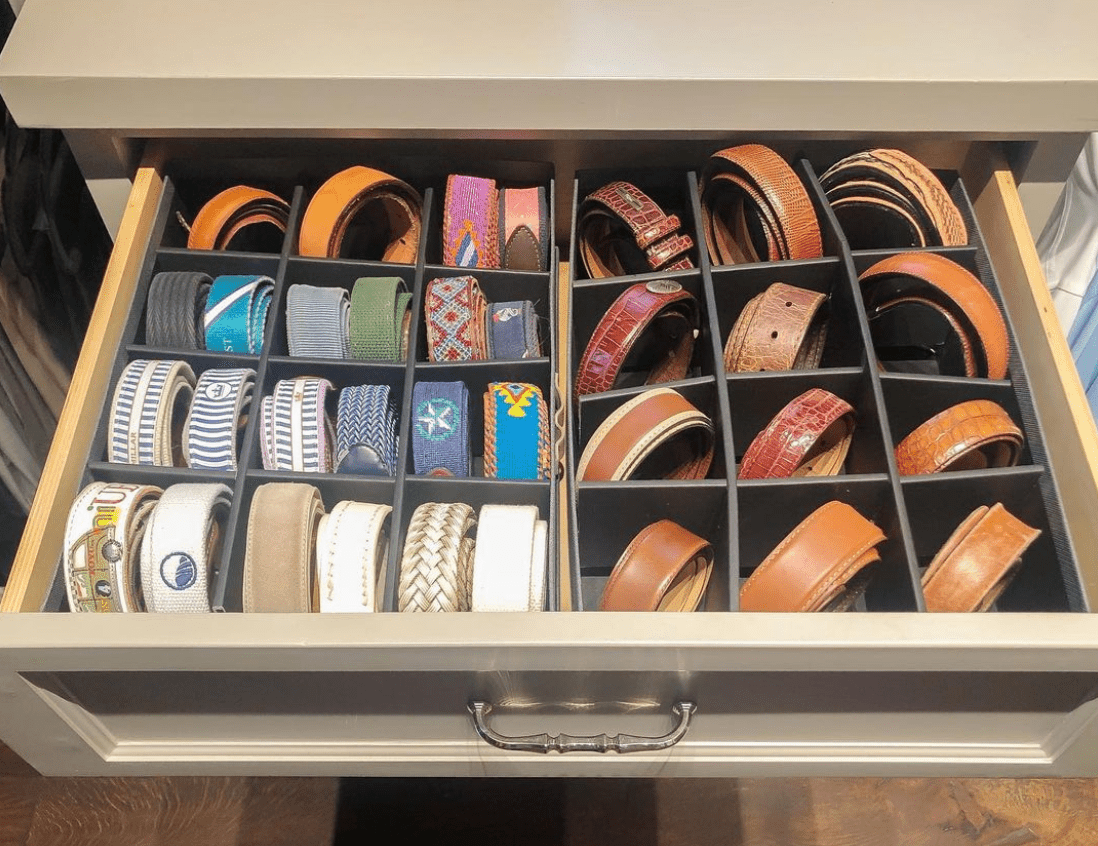
- Spot clean and condition leather a few times per year.
- Use a suede brush for nap and a suede eraser for marks.
- Store away from heat sources and direct sunlight.
Stain and odor rescue
Most “ruined” clothing is actually just untreated stains that set. The secret is speed and gentleness.
General stain rules
- Act fast: Blot, do not rub.
- Cold water first: Warm or hot water can set protein stains like blood, egg, and some dairy.
- Use enzymes when it makes sense: Enzyme detergent or an enzyme stain spray is often your best friend for protein-based stains.
- Test hidden areas: Especially on silk, wool, and dark dyes.
- Do not machine dry until the stain is gone: Dryer heat sets stains like a permanent decision.
Common problems and what to do
- Oil and makeup: A small drop of dish soap, gently work in, rinse, repeat.
- Deodorant streaks: Rub the fabric against itself, or use a clean, slightly damp cloth with a tiny bit of mild soap.
- Sweat yellowing: Pre-treat with oxygen bleach soak (not chlorine bleach) before washing.
- Wine: Blot, cold rinse from the back of the stain, then gentle soap. Save the salt trick for dinner parties, not miracles.
Odor buildup tip
If gym clothes still smell “off” after washing, try a sport-specific detergent or an occasional oxygen bleach soak. The goal is to remove trapped oils and bacteria, not to perfume over it.
Storage
I have seen beautiful pieces lose their shape simply because they lived on the wrong hanger. Storage is quiet, daily care.
Hang vs fold
- Fold: sweaters, heavy knits, tees prone to shoulder bumps, embellished items
- Hang: blazers, coats, dresses, trousers, button-downs
Choose the right hangers
- Wide, shaped hangers: for blazers and coats to support the shoulder line
- Clip hangers: for trousers and skirts, clipped at the waistband (use felted clips for delicate fabrics)
- Avoid thin wire hangers: they distort shoulders and invite creases
Give clothes space
Overcrowding causes friction and wrinkling. If your closet rod is packed tight, your clothes are essentially being “rubbed” all day. Try a seasonal edit or store off-season items in breathable garment bags.
Moth prevention
Moths like dark, undisturbed, and slightly dirty natural fibers. You can prevent most issues by:
- Storing wool and cashmere clean
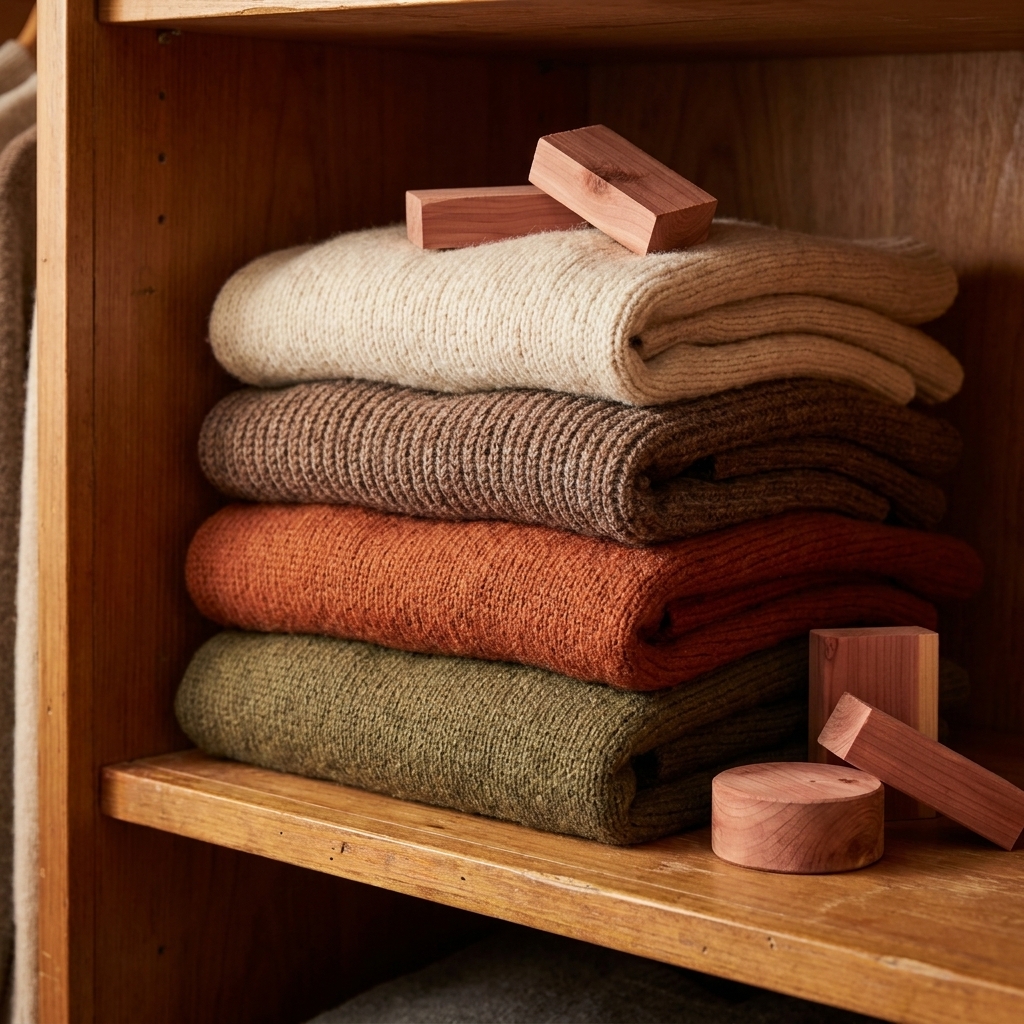
- Using cedar blocks or lavender sachets (replace or refresh as they fade)
- Vacuuming closet floors and baseboards occasionally
- Checking for signs like tiny holes or silky webbing
Simple repairs
This is where my grandmother’s sewing machine energy really comes out. Repairs do not have to be perfect to be powerful. The goal is to keep the garment wearable and loved.
Starter repair kit
- Needles and thread in black, white, and a neutral
- Small sharp scissors
- Safety pins (emergency heroes)
- Iron-on hem tape (for quick pant and skirt fixes)
- A fabric shaver or sweater comb
- Spare buttons
Five fixes that make the biggest difference
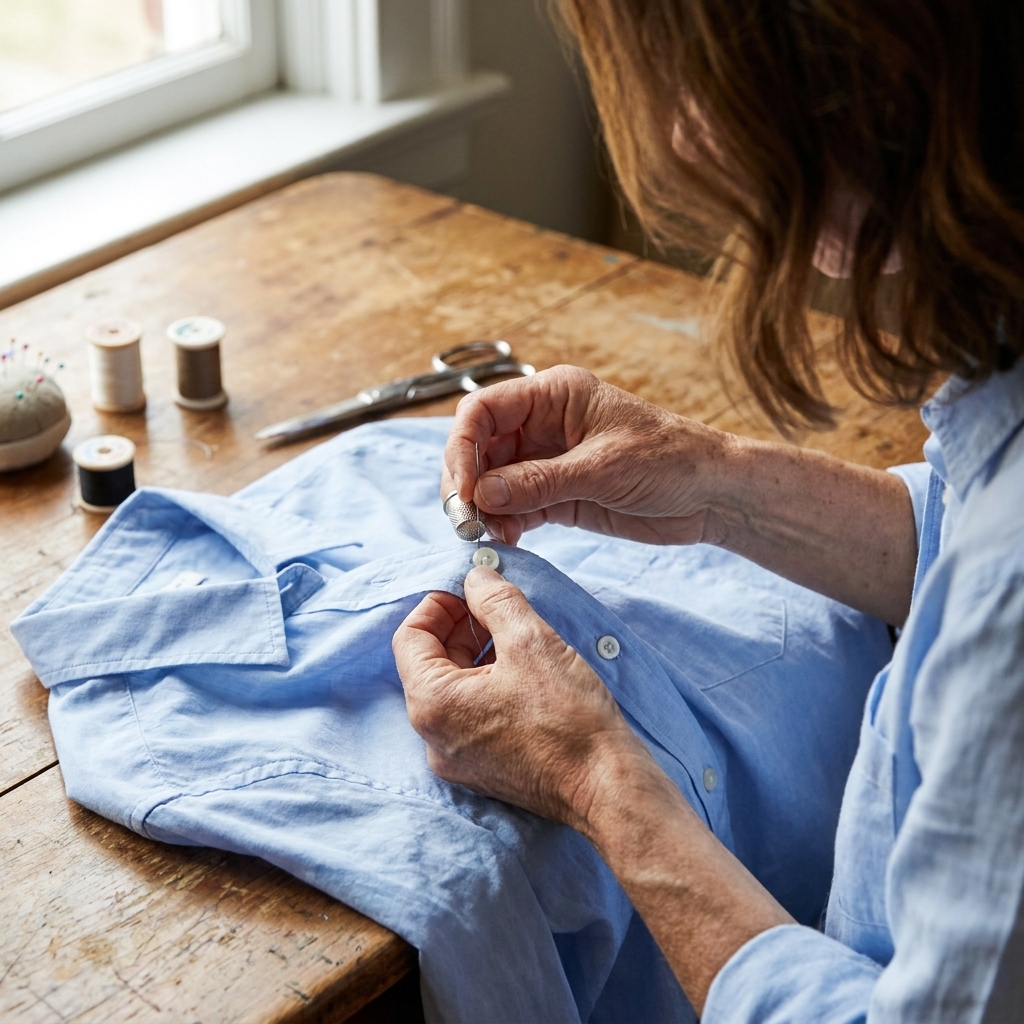
- Sew on a loose button before it disappears.
- Reinforce a small seam split early, especially at inner thighs and underarms.
- De-pill knits gently so they look new again.
- Hem dragging pants so the fabric does not fray and thin at the bottom.
- Patch tiny holes in jeans or tees before they expand in the wash.
If sewing feels intimidating, start with one button. It is the gateway skill, I promise.
When to dry clean
Dry cleaning has its place, but it should not be your default. It can be hard on certain trims and finishes, and it is not always necessary.
Good candidates for professional cleaning
- Structured blazers and suits (especially lined)
- Silk pieces with unstable dye or delicate construction
- Coats with heavy tailoring
- Items with beading, sequins, or complex pleating
Often better at home
- Cotton tees, denim, most casual dresses
- Many wool sweaters (hand wash or wool cycle)
- Simple synthetics
Between cleanings, use a steamer, a lint roller, and spot treatment. Those three tools will stretch time between trips to the cleaner beautifully.
Machine care
Your washer and dryer can either protect your clothes or quietly rough them up. A few maintenance habits make a difference:
- Do not overload: Clothes need room to move, not to grind.
- Check pockets: Coins, receipts, and lip balm are chaos agents.
- Clean the washer drum and detergent drawer: Residue can redeposit on clothes and trap odor.
- Check the dryer lint trap every load: Better airflow means less time and less heat.
- Know your machine’s filter: If your washer has a drain pump filter, clean it occasionally so it does not turn into a snag-and-grit situation.
A weekly routine
Garment care works best when it is light, consistent, and attached to things you already do.
My low-maintenance schedule
- After wearing: empty pockets, zip zippers, hang to air out
- Laundry day: check for stains before washing, use mesh bags, cold gentle cycle
- After drying: reshape, fold knits, hang structured pieces
- Once a month: de-pill sweaters, check buttons and seams, wipe down shoe uppers
- Seasonally: wash and store knits clean, condition leather, inspect for moth activity
If you only do one thing from this whole guide, do this: stop over-drying. A lot of “my clothes look tired” is actually “my dryer is a little too intense.”
FAQ
Does washing clothes inside out really help?
Yes. It protects the outer surface from friction, which reduces fading, pilling, and print cracking. It is especially helpful for dark cotton, denim, and knits.
Is it okay to wash everything in cold water?
For most wardrobes, yes. Cold water is gentler and helps colors last. Use warm water when you need extra help with heavily soiled items like towels, bedding, or certain stain situations.
How do I stop sweaters from pilling?
Pilling happens when short fibers work their way to the surface through friction. Wash on gentle, use a mesh bag, avoid overstuffing the machine, and remove pills with a fabric shaver or sweater comb.
What is the best way to store sweaters?
Fold them. Hanging stretches shoulders and length over time, especially for heavier knits like wool and cashmere.
How can I make black clothes stay black?
Wash inside out in cold water, use gentle detergent, avoid overloading, and skip the dryer or use low heat. Also keep darks away from lint-producing items like towels.
Closing thoughts
Making your clothes last longer is not about being perfect. It is about being attentive. When you treat your wardrobe like it is worth caring for, it starts giving you that care right back: better fit, better drape, better confidence, and fewer “why did I replace this?” moments.
Pick two habits to start this week. My vote: cold gentle wash, and air dry anything you would be sad to lose. Your future closet will thank you.