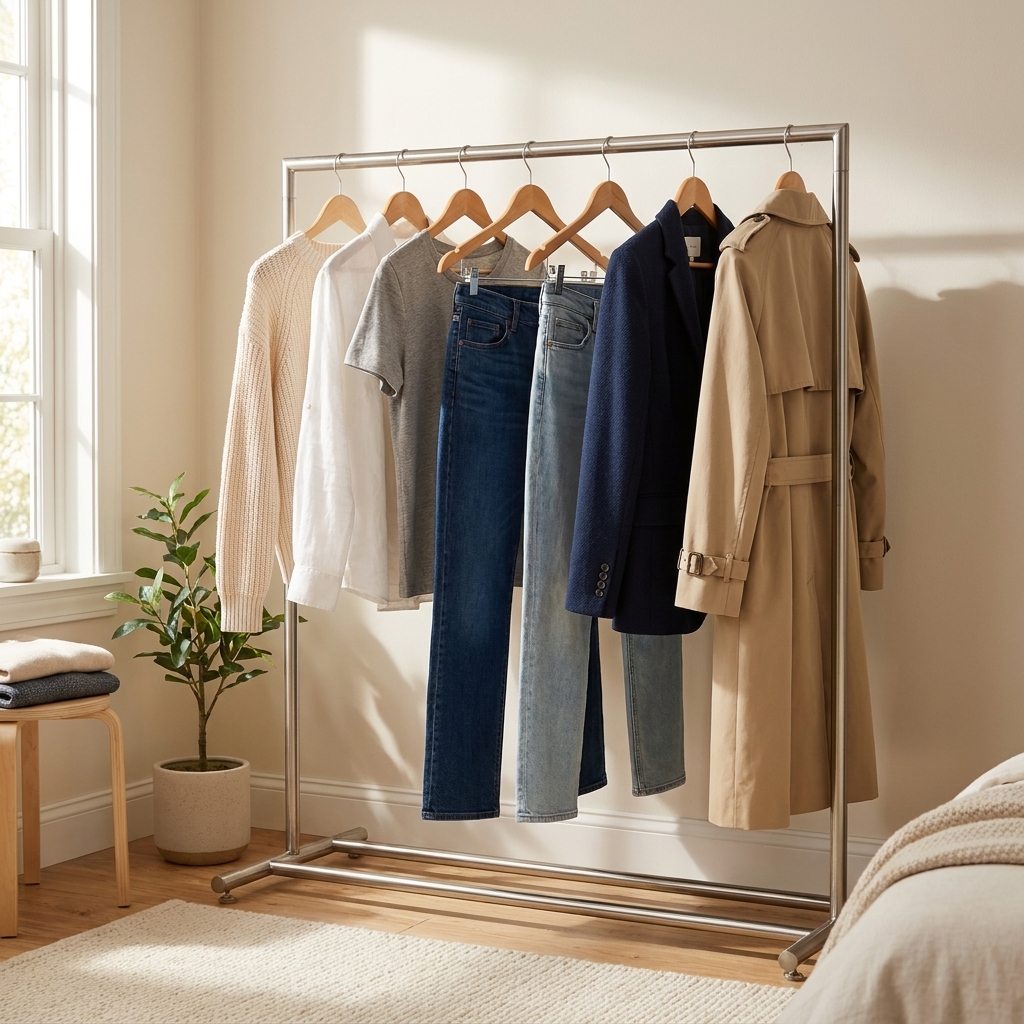
If your budget is tight, I want you to hear this clearly: you can still build a wardrobe that looks intentional, feels like you, and holds up to real life. Timeless style isn't about owning more. It's about owning fewer pieces that mix easily, fit well, and don’t start giving up on you after the first few wears and washes.
I grew up tweaking thrift-store finds on my grandmother’s sewing machine, and I still swear the biggest “luxury” in clothing is fit. Today, we're building a foundation of wardrobe essentials that you can often find for under $50, especially if you shop secondhand, wait for sales, or use a little strategic tailoring.
What makes a piece timeless (even when it's cheap)
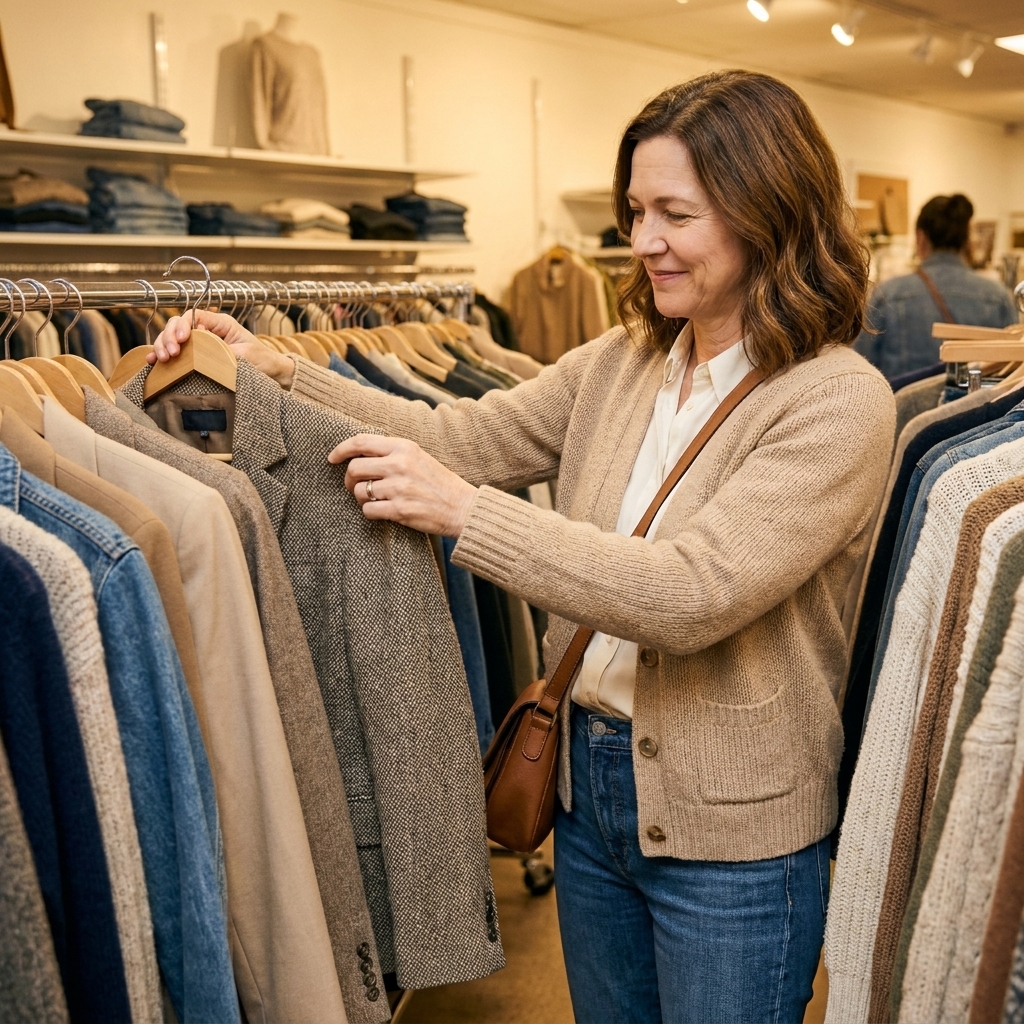
Price doesn't guarantee longevity. Construction and fabric do. Here's the quick checklist I use when I'm deciding whether something earns a spot in a small wardrobe.
The under-$50 quality checklist
- Fabric first: Look for cotton, linen, wool, cashmere blends (secondhand), silk (secondhand), and sturdy denim. Viscose can be great when it's a heavier weave with good drape, but flimsy viscose tends to wrinkle, snag, or wear out faster. Be cautious with very thin polyester and acrylic when they feel plasticky or pill easily.
- Seams and stitching: Turn the item inside out. Look for straight stitching, no loose threads, and seam allowances that aren't paper-thin.
- Hardware and finishing: Zippers should glide. Buttons should be secured. Hems shouldn't look wavy.
- Opacity and drape: Hold fabric up to light. If it's see-through and it isn't meant to be, it'll be harder to style and may show wear faster.
- Comfort on your body: If you're adjusting it all day, it won't become a “staple,” no matter how classic it looks on the hanger.
My rule: if it doesn't fit at the shoulders, it's not a bargain. Shoulder fit is the hardest and priciest thing to alter.
10 essentials you can find under $50
These are the building blocks I reach for again and again when helping clients create outfits that work for errands, office days, dinners, and travel. You don't need all 10 at once. Start with the gaps in your current closet, your climate, and what you actually do week to week.
1) The perfect plain tee (cotton or cotton blend)
A great tee is the quiet hero of a timeless wardrobe. It should feel substantial, not flimsy, and the neckline should lie flat.
- Look for: 100% cotton, cotton-modal blends, or heavier-weight jersey.
- Color picks: white, black, heather gray, or your best “soft neutral” (cream, taupe, cocoa).
- Fit tip: If the tee is boxy, a small front tuck instantly adds shape.
2) A button-up that behaves
Think “crisp but not crunchy.” A button-up is an outfit multiplier: open over a tank, tucked into jeans, layered under knits.
- Look for: cotton poplin, oxford cloth, or linen for warm weather.
- Common issue and fix: If you get gaping at the bust, try sizing up and tailoring the waist, or look for a slightly relaxed cut that skims instead of pulls.
- Try this: If you want easy drape, size up slightly, then tailor the waist if you want definition.
3) A tank or fitted knit top for layering
This is what makes your blazer, cardigan, and overshirt feel effortless.
- Look for: ribbed cotton, cotton-spandex blends, or thicker seamless knits.
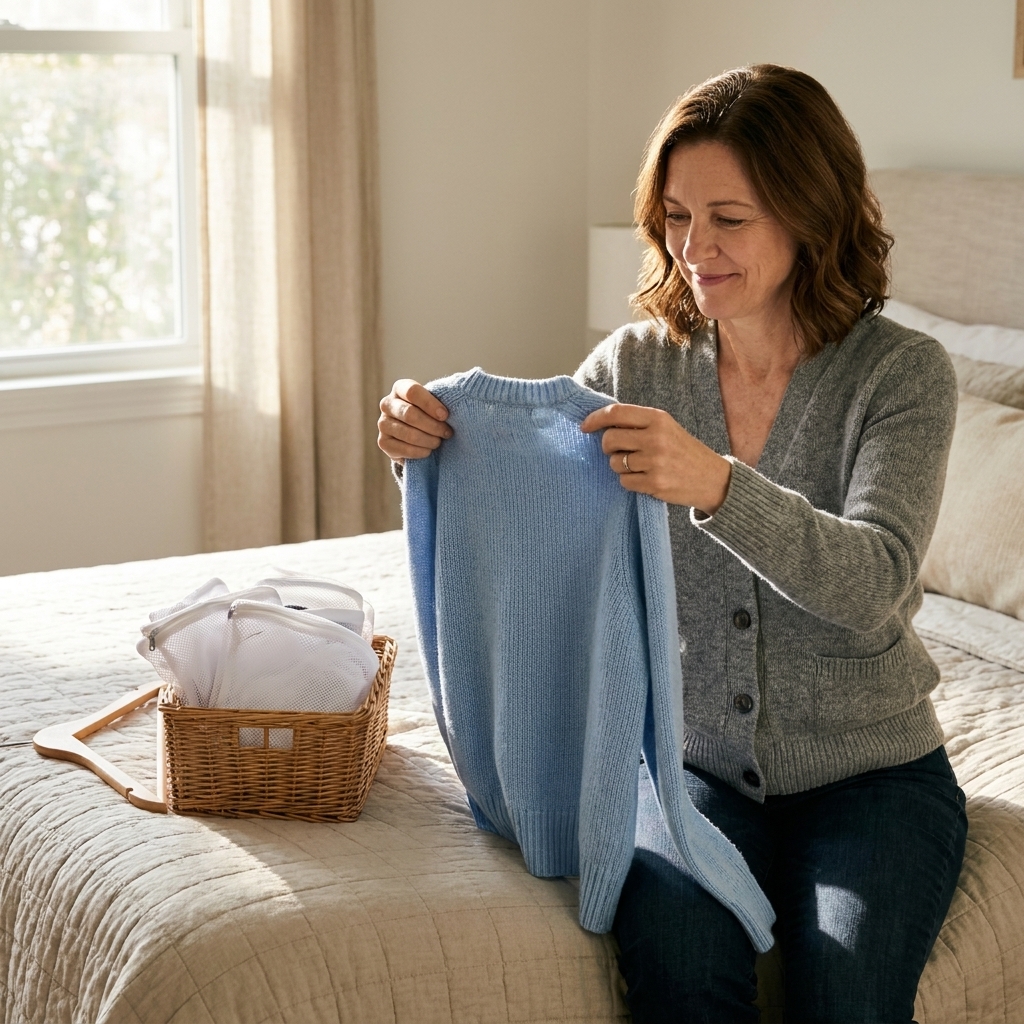
- Care tip: Wash in a lingerie bag to prevent stretching and snagging.
4) Straight-leg jeans (mid or high rise)
Trends come and go, but a straight leg in a solid wash stays modern for years.
- Look for: 98 to 100% cotton denim for structure, or up to 2% stretch for comfort.
- Wash picks: medium indigo, dark indigo, or black.
- Budget hack: Thrift men’s jeans for thicker denim, then tailor the waist and hem.

5) Polished trousers (or ponte pants)
If denim is your weekend workhorse, trousers are your weekday confidence. Under $50, ponte knit pants can be an incredible substitute for suiting.
- Look for: wool blends secondhand, or ponte with a smooth surface that springs back after stretching.
- Fit tip: Prioritize a clean fit through the hips. Length is easy to hem.
6) A real-life blazer
I truly believe a well-fitted blazer can dramatically elevate your wardrobe. It makes a tee and jeans look like a decision.
- Look for: secondhand wool blends, lined construction, and shoulders that sit where your shoulders actually are.
- Quick test: Hug yourself. If the back feels like it might rip, keep looking.
- Color picks: black, charcoal, navy, camel, or a subtle check.
7) A classic cardigan or crewneck sweater
Choose one knit that matches your lifestyle: a cardigan if you layer a lot, a crewneck if you want easy polish.
- Look for: cotton knits for easy care, merino or lambswool secondhand for warmth, and tighter weaves that resist pilling.
- Avoid: very fuzzy acrylic if you hate lint and pills, unless you're willing to de-pill regularly.
8) A simple day-to-night dress (or skirt)
A timeless wardrobe isn't only pants and tops. One easy dress can replace five “nothing to wear” moments.
- Look for: a midi length, a solid color, and a waist detail that feels comfortable (wrap, tie, elastic, or darts).
- Fabric picks: cotton poplin, linen blends, thicker jersey, or a higher-quality viscose with enough weight to drape without clinging.
9) Crisp shoes you can walk in
Shoes under $50 are very doable if you shop off-season sales or secondhand.
- Best timeless options: loafers, minimal sneakers, simple ankle boots (secondhand), or ballet flats with a supportive sole.
- Quality checks: firm sole, clean stitching, and minimal peeling inside.
- Secondhand shoe tip: check outsole wear, the footbed imprint, and any cracking at flex points. Sanitize the inside and consider replacing insoles. It's a small upgrade that makes budget shoes feel premium.
10) A structured bag that holds your life
You don't need a designer label to look pulled together. You need a bag that keeps its shape.
- Look for: structured tote or crossbody, reinforced straps, and a closure that works for your routine.
- Materials: genuine leather secondhand can often be found under $50 depending on your area, the brand, and the condition, especially at estate sales. Faux leather can work too, but check for cracking and peeling.
Where to find these pieces
Under $50 is easiest when you shop with a plan. These are my go-to places, and how I use each one.
Thrift stores and estate sales
- Go in with a fabric list: wool, cotton, linen, silk.
- Scan by color first: building a cohesive palette makes mixing easier.
- Check the menswear section: blazers, button-ups, and knitwear are often better constructed.
Consignment and resale apps
- Search by material: “100% wool blazer” will treat you better than searching a trend term.
- Ask for measurements: shoulder width, bust, waist, inseam, and rise.
- Be picky about photos: avoid listings that hide wear at elbows, knees, and hems.
Outlet, end-of-season sales, and coupon stacking
- Shop off-season: coats in spring, sandals in fall.
- Buy basics on sale: tees, tanks, and denim often cycle through predictable discounts.
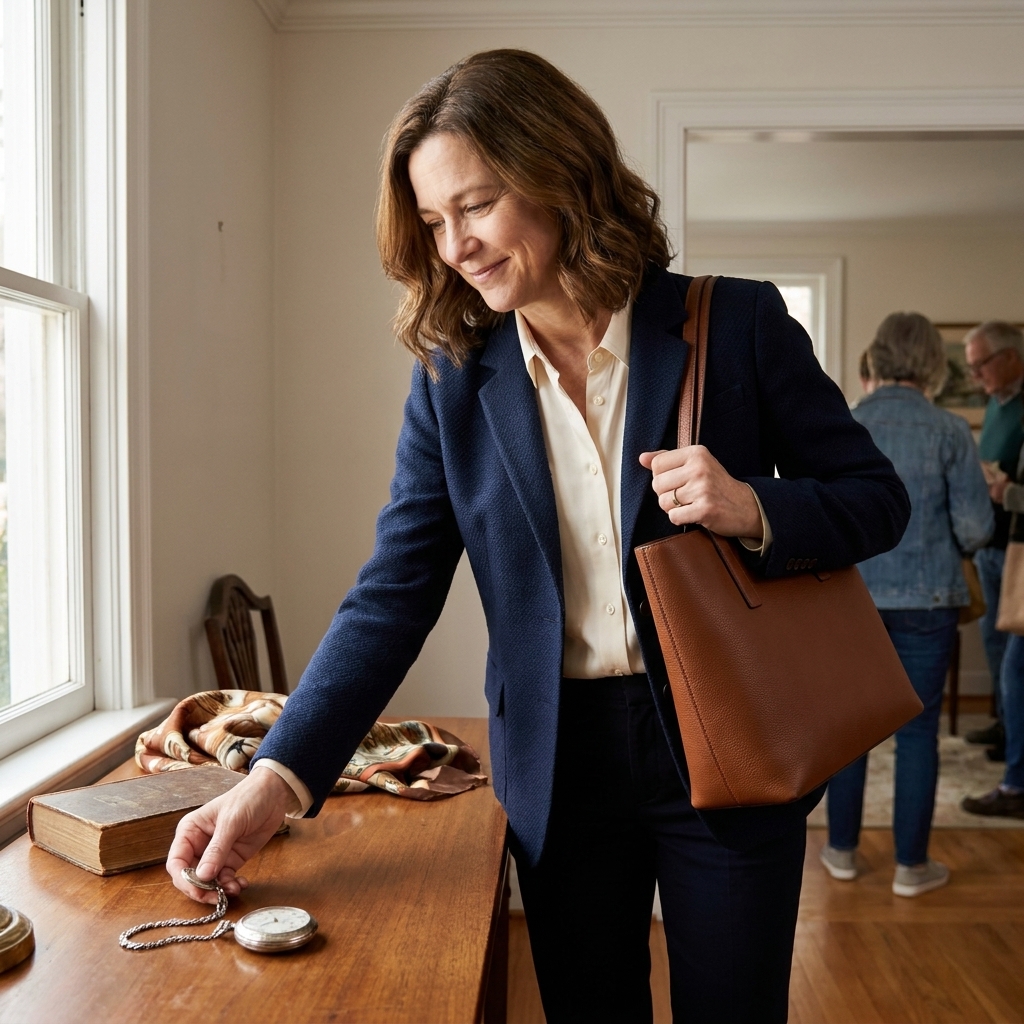
Make under-$50 pieces look expensive
This is the part no one tells you when they're pushing “must-have” lists. The secret sauce isn't the brand. It's styling, care, and tiny fit upgrades.
1) Tailor the easy stuff
- Hem pants and jeans: the cleanest, quickest way to look polished.
- Take in a waist: especially on thrifted trousers and skirts.
- Swap buttons: a higher-quality button set can elevate a cardigan or blazer instantly.
Quick tailoring reality check: Prices vary by city and fabric, but hemming often lands around $10 to $25, simple waist tailoring around $20 to $50, and sleeve shortening can be more. If a piece is already close to perfect in the shoulders and hips, it's usually worth the small investment.
2) Steam, de-pill, and store with intention
- Steam instead of ironing when possible: it refreshes fabric and helps it look less crushed.
- De-pill knits: a fabric shaver is inexpensive and makes sweaters look new.
- Hang blazers, fold knits: this prevents shoulder bumps and stretching.
3) Keep a simple color story
When most of your pieces share a palette, everything looks more “capsule” and less “random.” Pick:
- Two core neutrals: like black and cream, or navy and camel.
- One accent color: like olive, burgundy, or cobalt.
4) Use outfit formulas
Outfit formulas reduce decision fatigue and make your wardrobe feel bigger. Try these:
- Tee + straight jeans + blazer + loafers
- Button-up + trousers + minimal sneakers
- Tank + cardigan + midi skirt
- Simple dress + denim jacket or blazer
Optional polish multipliers: a simple belt, small hoops, or a clean watch can pull basics together fast. Not required, just helpful.
Fabric cheat sheet
If you want durable closet staples, fabric matters more than almost anything. Here's a realistic guide for budget shopping.
Usually great at budget prices
- Cotton: breathable, easy care, long lasting when it isn't overly thin.
- Denim (higher cotton %): structure, longevity, holds shape.
- Linen blends: great for warm weather, wrinkles are part of the charm.
- Ponte knit: smooth, resilient, perfect for trousers on a budget.
Great secondhand finds
- Wool and wool blends: blazers, coats, trousers.
- Silk: blouses, skirts, scarves.
- Cashmere blends: sweaters if you do a careful inspection for holes.
Approach with care
- Acrylic knits: can pill quickly. Choose tighter weaves if you buy it.
- Thin polyester: can trap heat and look shiny. Some poly is great, but trust your hands and eyes.
- Rayon and viscose: beautiful drape, but quality varies a lot. Check thickness, weaving, and care labels, and skip the super delicate stuff if you want low-maintenance.
A small shopping plan
If you're building on a tight budget, pace is your friend. Here's a simple approach that keeps purchases intentional.
Step 1: Pick your next three
Choose one top, one bottom, and one layer that would create at least five outfits with what you already own.
Step 2: Set personal standards
- Must fit at shoulders and hips
- Must work with at least two pairs of shoes you already have
- Must be comfortable enough to wear for a full day, including sensory comfort if fabrics or seams bother you
Step 3: Budget for the hidden upgrades
If you can, leave a little wiggle room for:
- Hemming (often inexpensive at local tailors)
- Insoles for shoes
- A fabric shaver or steamer
Step 4: Make it work for your life
If you live somewhere hot or humid, prioritize breathable fabrics (cotton, linen, lighter wool) and looser silhouettes. If you're in a colder climate, focus on layering pieces and warmer knits. If your workplace is casual, you might swap trousers for dark jeans more often. If it's corporate, you may want trousers and a blazer earlier. Petite, tall, and curvy shoppers can win big with hemming and small waist adjustments, so don't be afraid of a piece that's almost perfect.
FAQ
Can I really build a capsule wardrobe with pieces under $50?
Yes. The key is buying fewer items, repeating outfits on purpose, and using secondhand and sales to access better fabrics. A capsule is about cohesion and fit, not a price point.
What's the best first piece to buy if I feel stuck?
A blazer or a pair of straight-leg jeans, depending on your life. If you want instant polish, go blazer. If you need everyday mileage, go jeans.
How do I know if something is worth tailoring?
Tailor pieces that already fit well in the shoulders and hips, and that you truly love wearing. Hemming, waist nips, and sleeve shortening are usually worth it. Major shoulder work is rarely worth it on a budget piece.
How many staples do I actually need?
Many people feel great with about 20 to 35 core pieces (not counting workout clothes and special-occasion outfits). Start small. Your wardrobe should serve your life, not a checklist.
The most timeless thing you can wear
Confidence isn't something you buy. It's something you build, one well-chosen piece at a time. Start with what you can afford, focus on fit and fabric, and let your wardrobe grow slowly and intentionally. That's how you end up with clothes you actually love, not a closet full of “almost.”