Jeans are the most “I’ll just throw something on” item in our closets. Which is exactly why they should not feel like a compromise. The perfect everyday pair is not about having the “right” body. It is about knowing what to look for, what to ignore, and what can be tailored in five minutes by a good alterations pro.
Think of this as your denim map: rise, cut, wash, fabric, and the little fit checks that separate these are fine from why do I suddenly look put together.

Start here: the 60-second fit checklist
If you do nothing else, do these quick checks in the fitting room (or at home with tags on). They save you from buying jeans you only like while standing still under fluorescent lighting.
- Waist: You should be able to slide two fingers into the waistband comfortably. If you can grab a handful of extra fabric at the back, plan on a waistband nip or try a different rise.
- Seat: The back should lie smooth without pulling into a “smile” crease under the booty. A little contour seam is fine. Deep diagonal pulling usually means too tight in the hips or too low a rise.
- Crotch: If the crotch feels like it is trying to climb into your personal business, you need more rise or a different cut. If it sags, you likely need a smaller size or less stretch.
- Thighs: Bend your knees and sit. If the fabric goes shiny and strained across the thigh, size up or choose a cut with more room through the leg.
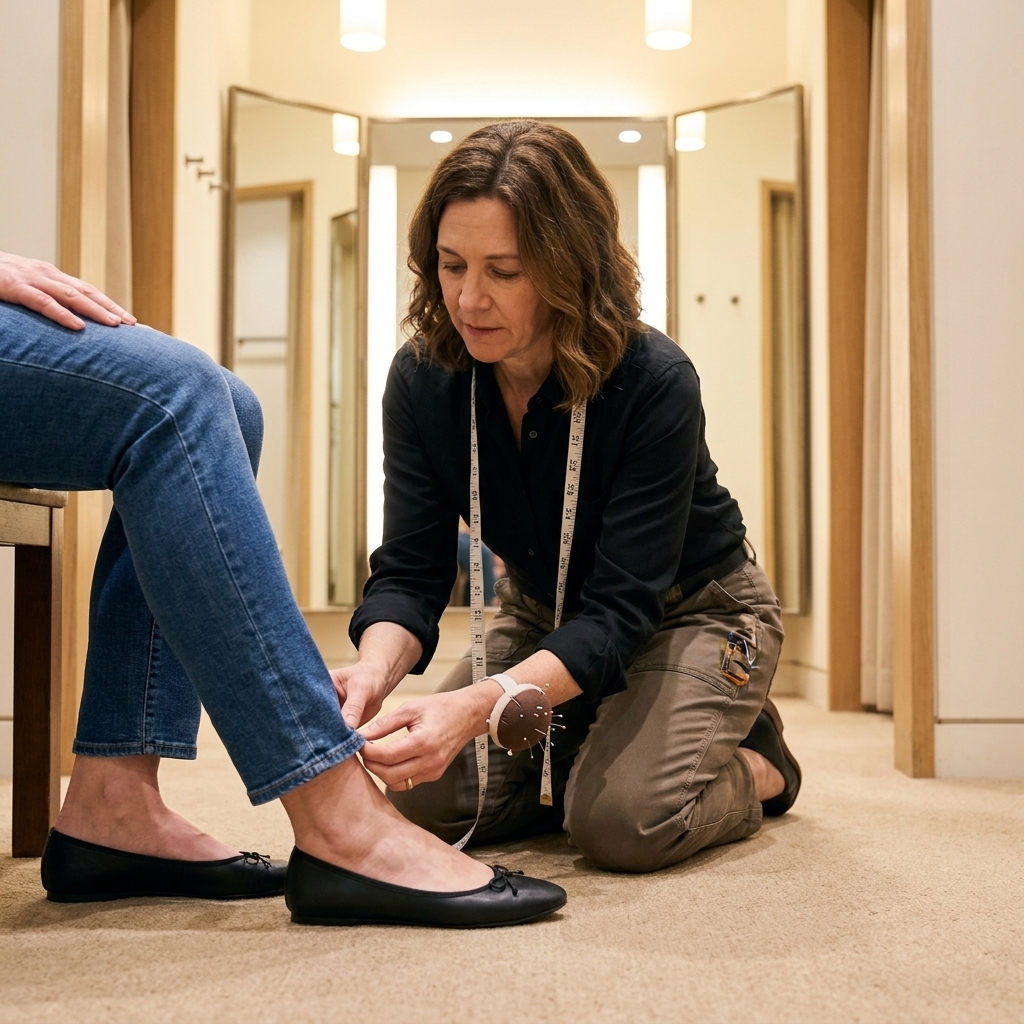
- Inseam: Check where the hem hits with your most-worn shoes. Most people need a hem. Almost no one is the “standard” inseam length.
Stylist truth: a hem and a waistband nip can make a mid-price pair look like designer denim. Fit first. Brand later.
Rise 101: the most important decision
Rise is the distance from crotch seam to the top of the waistband. It determines comfort, proportion, and how your tops tuck.
Low rise (7–8.5 inches)
Best if you like a longer torso look, wear cropped tops, or want a more relaxed, early-2000s vibe. If you carry weight in the lower belly, low rise can feel fussy because it sits right at the widest point.
Mid rise (8.5–10 inches)
The most “easy” everyday option. Mid rise tends to sit just below the natural waist, which can feel secure without feeling like you are wearing denim shapewear.
High rise (10–12+ inches)
High rise is a gift for waist definition and a smooth front. Great with tucked tees, bodysuits, and cropped sweaters. If you have a short torso, try a high rise that is not ultra high to avoid the waistband meeting your bra.
Quick tip: If the waistband gaps in back but fits in the hips, you are not “wrong-shaped.” You likely need a more contoured waistband, a curvy fit, or a small tailoring nip.
Denim fabric: what the tag is not telling you
Two jeans can both say “stretch” and fit completely differently. Here is what matters:
- 100% cotton: The most classic look and the most likely to soften with wear. Expect a break-in period. If you want structure and a vintage vibe, start here.
- Comfort stretch (1–2% elastane): My favorite for everyday. You get ease without losing shape.
- High stretch (3%+ elastane): Great for comfort, but it can bag out at knees and seat. Look for “recovery” language on the tag or thicker denim to prevent sagging.
- Weight: Lightweight denim drapes and can feel cooler. Heavier denim holds shape and smooths more.
My rule of thumb: If you want your jeans to look polished all day, pick a thicker denim with a little stretch and strong recovery.
Washes and finishes that work the hardest
Washes are not about “slimming rules.” They are about where your eye lands first. Use that intentionally.
Dark indigo
Closest thing to a “nice jean.” It dresses up easily and reads clean. Look for minimal whiskering for the most versatile effect.
Medium wash
The everyday MVP. It pairs with almost every color and feels relaxed but still intentional.
Light wash
Fresh and casual. Great with crisp whites, navy, and warm neutrals. If you want a longer leg line, choose a lighter wash with less heavy fading on the thigh.
Black and gray
Perfect for city dressing and a slightly sharper silhouette. True black can fade, so wash cold and inside out.
Finishing details to watch: heavy distressing can shorten the “wear anywhere” lifespan of a jean. A clean hem, subtle fading, and simple hardware will anchor more outfits.
Find your best cut by body goal, not body label
I am going to talk in terms of what you might want your jeans to do. Because bodies are beautifully varied, and most of us are a mix of shapes depending on the day, the decade, and the brand’s sizing mood.
If you want more waist definition
- Try: high rise straight, high rise bootcut, “curvy” fits (more room in hip and thigh, smaller waist).
- Skip: very low rise and overly thin, high-stretch denim that slides down.
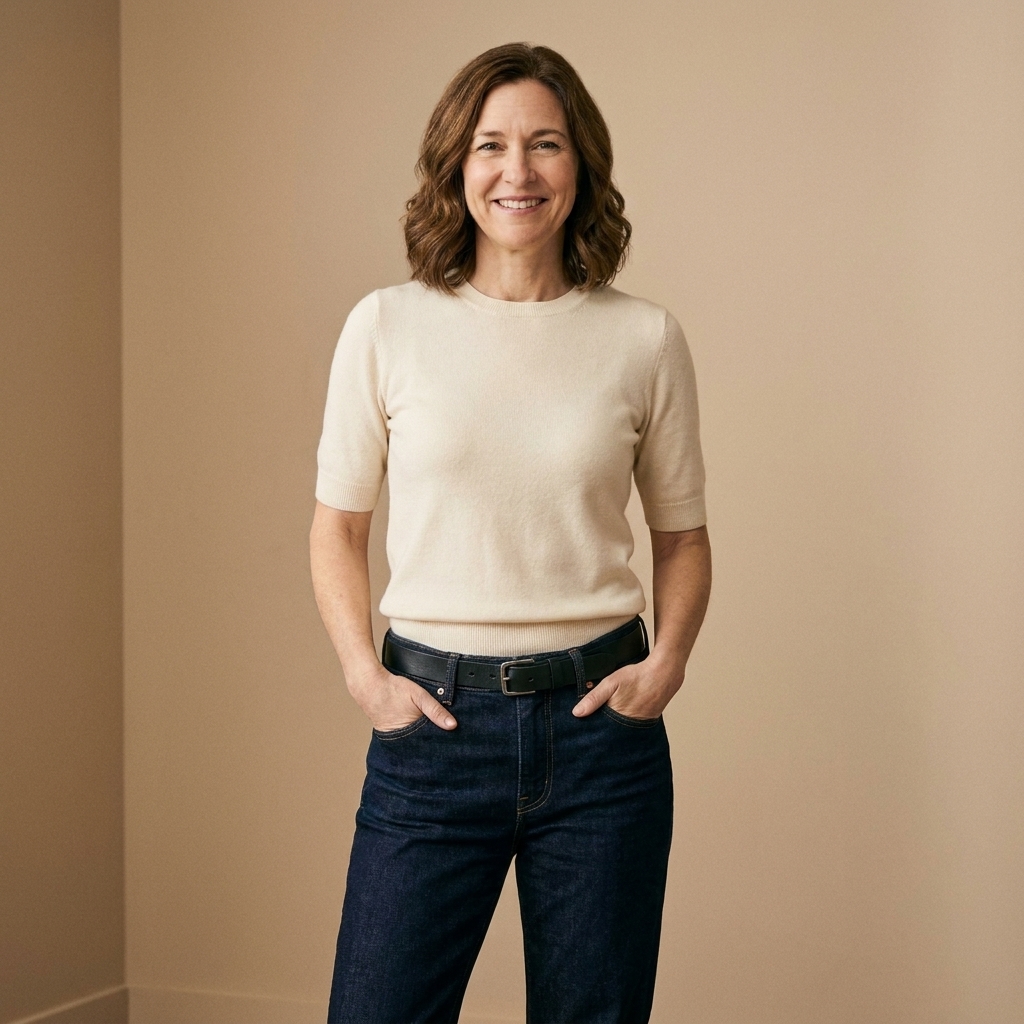
- Styling trick: add a belt and do a full tuck or a neat French tuck to show that waistband on purpose.
If you want to balance broader shoulders or a fuller bust
- Try: bootcut, flare, or wide leg in a mid to high rise to add visual weight at the hem.
- Skip: super tapered skinny if it makes you feel top-heavy.
- Styling trick: wear a slightly shorter jacket or cropped cardigan so the leg shape can do its balancing magic.
If you want more room through hips and thighs
- Try: curvy fits, straight leg, slim-straight, or a relaxed tapered jean with a structured fabric.
- Skip: rigid, very tight “vintage skinny” cuts that fight your movement.
- Styling trick: choose a cleaner wash and let the cut do the work. Over-distressing draws attention exactly where the fabric is already working hardest.
If you want to elongate the leg line
- Try: high rise with a straight leg, or a full-length flare that skims the shoe.
- Skip: ankle lengths that hit at the widest part of your calf, unless you love that look.
- Styling trick: match your shoe to your jean family, like dark denim with dark shoes, light denim with lighter shoes, for a smoother line.
If you want a flatter tummy feel without discomfort
- Try: a true high rise with a wider waistband and a bit of structure, or “holds-you-in” denim with strong recovery.
- Skip: low rise that cuts across the lower belly or ultra-thin jegging fabric.
- Styling trick: look for front pockets placed slightly closer together. It is a small detail that can make the front look cleaner.
If you are petite and want less overwhelm
- Try: straight leg, slim-straight, or a cropped flare that hits above the ankle bone (and consider petite sizing for knee placement).
- Skip: extremely wide legs in very long inseams unless you plan to hem precisely for your shoes.
- Styling trick: pick a higher rise and a clean hem. It gives you length without a lot of visual noise.
If you are tall and tired of “almost long enough”
- Try: tall sizing, full-length flares, and straight legs with a longer inseam so the knee and calf placement sits where it should.
- Skip: buying standard inseams and hoping they will stretch in length. They will not.
- Styling trick: embrace a deliberate ankle crop with a great boot, or commit to full length and hem for sneakers versus heels.

Skinny, straight, bootcut, wide leg: what each one is best at
If denim shopping makes your brain go fuzzy, anchor yourself in the job each silhouette does.
- Straight leg: the most universally wearable cut. Great for balancing curves, creating a long line, and styling with everything from loafers to boots.
- Slim-straight: a little closer to the leg without clinging. Ideal if you like the ease of a skinny but want a more current shape.
- Skinny: still useful, especially with tall boots, oversized sweaters, and long coats. Choose a mid or high rise with good recovery so it does not bag at the knee.
- Bootcut: a subtle flare from the knee down. Excellent for balance and a slightly dressier feel.
- Flare: maximum leg-length energy. Looks best full length with a hem that kisses the shoe.
- Wide leg: effortless and modern. The key is waistband fit and drape. If the top fits, the leg can be wide without swallowing you.
Common fit problems and the fix
The back waistband gaps
Try: curvy fit, higher rise, or a contoured waistband. Tailor: a simple waistband nip is usually inexpensive and game-changing.
Jeans slide down when you walk
Try: a higher rise, less stretch, or a smaller waist with more hip room (again, curvy fits). Also: belts are not a failure. They are a styling tool.
Thighs fit but waist is too tight
Try: sizing for your hips and tailoring the waist down, or look for styles labeled curvy, hourglass, or athletic. Avoid rigid denim unless you love the break-in process.
Waist fits but thighs are too tight
Try: a different cut (straight, relaxed taper, wide leg) or denim with a touch more elastane. Also check pocket placement. Shallow pockets can pull weirdly across the hip.
Knee bags and saggy seat by noon
Try: thicker denim, less stretch, or better recovery. If you can, do a “sit test” for two minutes in the fitting room.
Length is always off
Fix: hem them. Seriously. A clean hem makes jeans look intentional, not accidental. If you want to keep the original hem, ask for an “original hem” alteration.
Build your everyday denim capsule
If you want jeans to feel like a wardrobe anchor, you do not need ten pairs. You need a small rotation that matches your life.
- Pair 1: The clean dark jean (straight or bootcut). For dinners, travel days, casual Fridays, and anything that needs polish.
- Pair 2: The medium wash everyday jean (straight, slim-straight, or relaxed). For errands, coffee runs, and your most-worn shoes.
- Pair 3: Your “fun” silhouette (wide leg, flare, or a statement wash). For outfits that feel styled with minimal effort.
Optional add-on if you wear black constantly: swap Pair 3 for a black jean, or keep both and call it a four-pair capsule. You are the boss.
What to bring to the fitting room
- The underwear you actually wear day-to-day (not the “special occasion” kind unless that is your daily vibe).
- Your most common shoes: sneakers, a boot, or a low heel.
- A top you tuck and a top you do not tuck, so you can check how the rise behaves.
- Your phone camera. A quick back-of-jeans photo tells the truth kindly and clearly.
Denim care that keeps your jeans looking new
Great jeans are an investment in wear, not in logos. Help them last.
- Wash less: spot clean when you can, and air out between wears.
- Wash cold, inside out: preserves color and reduces abrasion.
- Skip the dryer: heat breaks down elastane. Hang dry to keep stretch jeans from getting tired.
- Fold or hang by the waistband: avoid weird knee creases from tight folding.
FAQ
Should I size up or down in jeans?
Size for the area that is hardest to alter, usually your hips and thighs, then tailor the waist if needed. Stretch denim can feel snug at first and relax slightly, but if you are fighting to button them, it is not going to become comfortable.
Are “curvy” jeans only for curvy bodies?
No. “Curvy” usually means a bigger difference between hip and waist. If you get waistband gaping, curvy fits can be your best friend regardless of your size.
What is the most universally flattering jean shape?
A mid to high-rise straight leg in a medium wash is the closest thing we have to a denim yes-for-most-people. From there, you can personalize based on your style.
How do I make jeans look more expensive?
Choose a cleaner wash, hem them to the right length, and make sure the waistband fits. Add a simple leather belt and a structured top layer like a blazer or crisp jacket. Fit and finish read luxe every time.
A gentle pep talk before you buy
Denim sizing is inconsistent, lighting is rude, and mirrors are not always honest. If a pair does not work, it is not your body failing a test. It is a garment that was not cut for you. Keep going until you find the pair that lets you move, sit, live, and still feel like yourself.
And if you want the shortcut: start with a mid or high rise, a straight leg, comfort stretch, and a wash you can wear three seasons of the year. That is the everyday jean that earns its hanger space.