We have all had that moment. You find a cute top for the price of a latte, you click “add to cart,” and you tell yourself you are being practical. And sometimes you are. Budgets are real, bodies change, and style should never be gatekept.
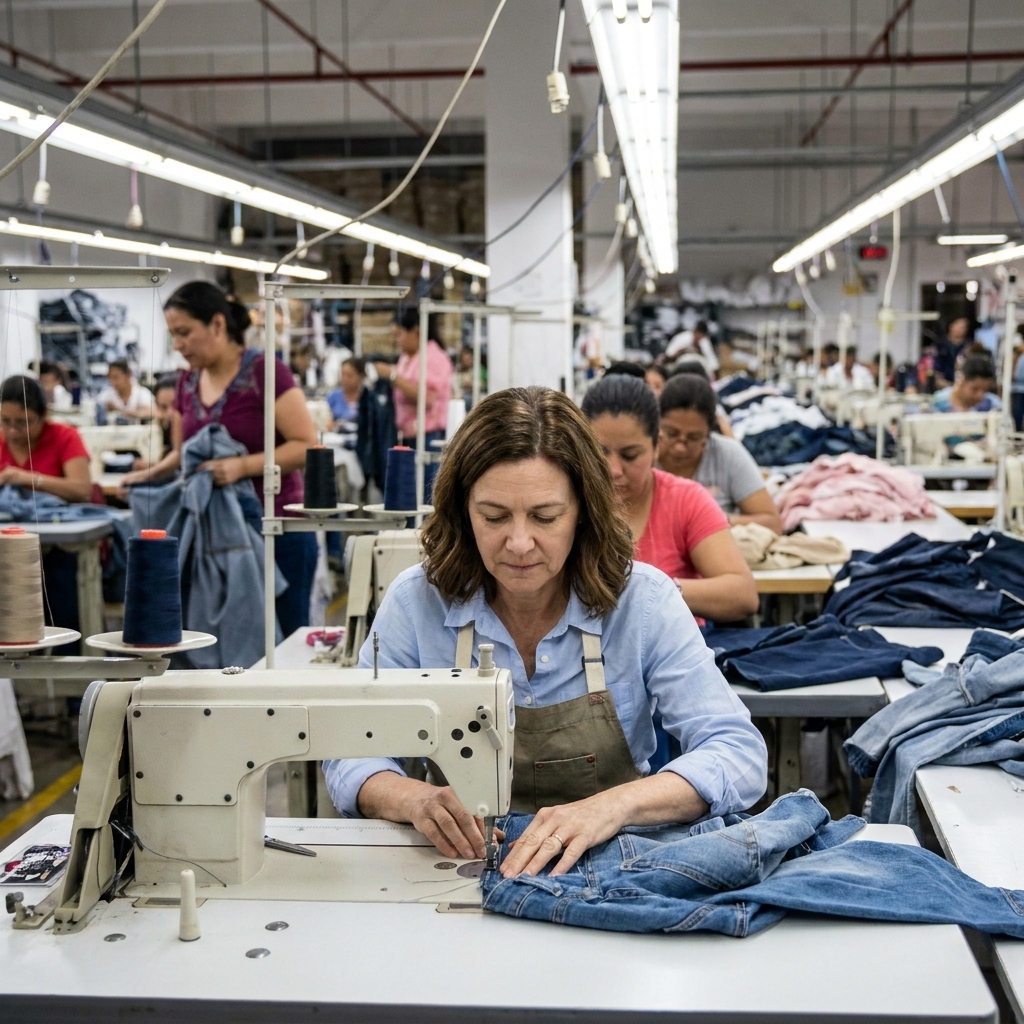
But here is the uncomfortable truth I learned while steaming racks as a visual merchandiser in Chicago: clothing is rarely truly “cheap.” When the price tag is low, the costs often show up somewhere else, in polluted rivers, overflowing landfills, and in the lives of garment workers who are not paid enough to live comfortably.
This is not a guilt trip. It is a clarity piece. Let’s talk about what fast fashion and slow fashion really mean, what they cost, and what you can do if you want to shop more sustainably without needing a trust fund.
Fast fashion vs. slow fashion
Fast fashion
Fast fashion is a business model built on speed and volume. Brands push out constant newness, produce huge quantities, and keep prices low by squeezing costs throughout the supply chain. The goal is to get trends from runway to storefront fast, then replace them just as quickly.
- High turnover: many micro-seasons, not just spring and fall
- Low prices: achieved through cheaper materials and lower labor costs
- Short lifespan: items are often designed to be worn fewer times
Slow fashion
Slow fashion is the opposite approach: fewer, better pieces made with more intention. It is not one aesthetic. It can look minimalist, colorful, vintage, sporty, or wildly maximalist. The throughline is that the clothing is made to last, and the people and planet behind it matter.
- Quality over quantity: durable materials and construction
- Thoughtful production: more transparency, fairer labor practices, smaller runs
- Long wear: repairable, re-wearable, and easy to style multiple ways
If fast fashion is a sugar rush, slow fashion is a pantry. You build it over time, and it keeps feeding you.
If you want deeper reporting on labor practices and supply chain transparency, resources like the International Labour Organization (ILO), Clean Clothes Campaign, and Fashion Revolution are worth bookmarking.
The environmental cost
1) Water use and water pollution
Many fabrics are thirsty. Conventional cotton, for example, can require significant water inputs depending on region and farming practices. Then there is dyeing and finishing, which can pollute waterways when wastewater is not properly treated.
Even if you never think about a shirt’s water footprint, communities near textile facilities often feel it directly through contaminated water and chemical exposure.
2) Synthetic fibers and microplastics
A lot of fast fashion relies on synthetic fibers like polyester, acrylic, and nylon because they are cheap and easy to mass produce. The catch is that synthetics are plastic-based. When you wash them, tiny fibers can shed into wastewater and contribute to microplastic pollution. Shedding can also happen during wear and drying, not just in the wash.
Some wastewater treatment captures a portion of microfibers, but not all of them. You do not need to ban polyester from your closet to be thoughtful, but it helps to understand what it is and why it behaves the way it does.
3) Carbon emissions from speed and scale
The “fast” part matters. Rapid production cycles, global shipping, and constant replenishment add up. When brands encourage frequent buying and frequent disposal, emissions stack from manufacturing, transport, and waste processing.
4) Waste and landfill overload
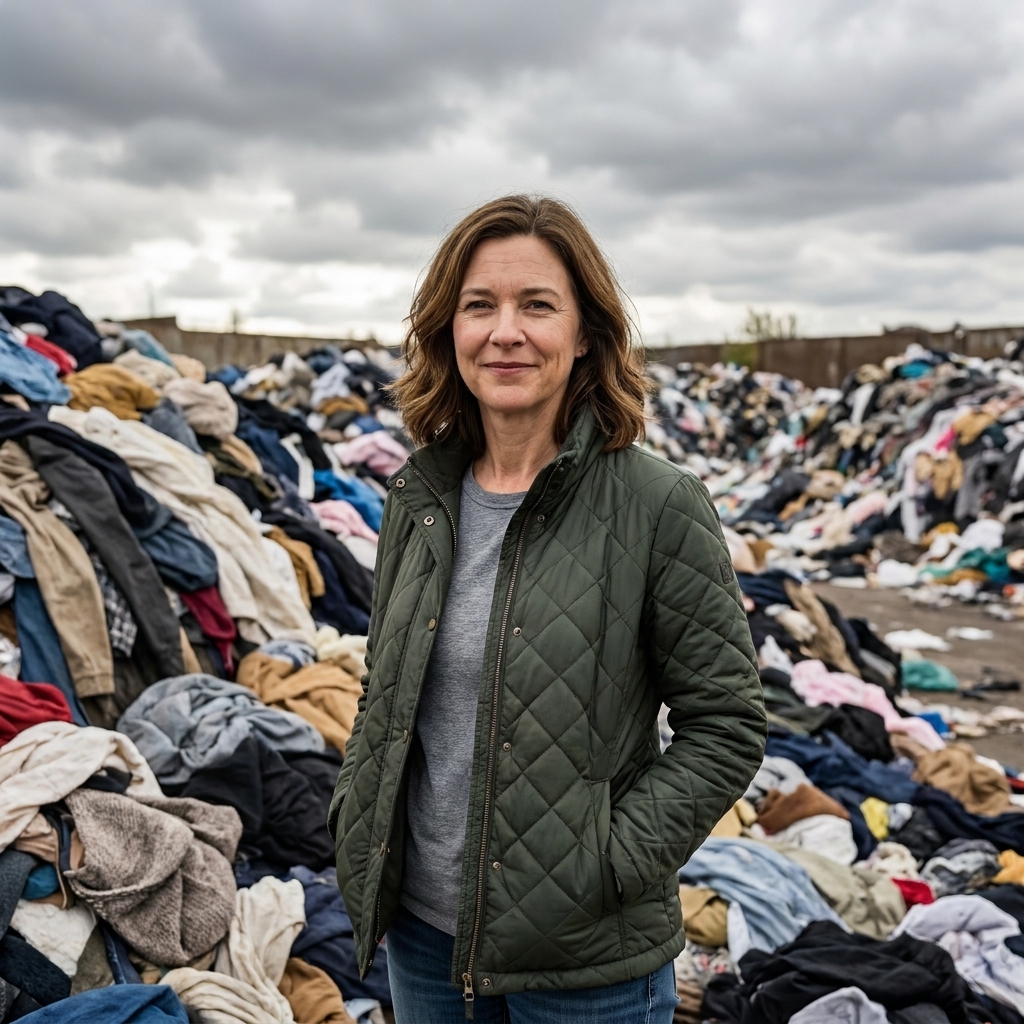
Clothing waste is one of the most visible consequences. When garments are made with low-quality materials, weak seams, and tricky fiber blends that are hard to recycle, they are more likely to end up in a landfill after a short life.
The social cost
Environmental harm is only half the story. The other half is human.
Low wages and unsafe conditions
Fast fashion supply chains are complex and often opaque. Factories may be subcontracted, oversight can be inconsistent, and workers can face long hours, low pay, and unsafe conditions. Not every brand operates the same way in every country, but when a company’s competitive advantage is “we can do it cheaper,” labor is often where pressure lands.
Rushed production
Speed demands flexibility. That can translate into sudden order changes and intense production deadlines for factories. The urgency that feels fun on a shopping app can be exhausting and risky on a factory floor.
Why transparency matters
Slow fashion brands are not automatically perfect, but many do publish more information about wages, factories, and materials. Transparency is not a halo. It is a tool that lets customers and watchdogs ask better questions.
What slow fashion gets right
Benefits
- Better cost per wear: a $180 pair of trousers worn 60 times is $3 per wear, if it fits your lifestyle and you actually wear it
- More flattering fit: higher-quality patterns, fabrics with better recovery, and construction that holds shape
- Repairability: sturdier seams, extra hem allowance, buttons that can be replaced
- Less closet stress: fewer pieces that work harder together
Misconceptions
- “Slow fashion is always expensive.” Not necessarily. Secondhand, swaps, mending, and strategic alterations are slow fashion, too.
- “Natural fibers are always better.” Not always. A well-made synthetic that you wear for years can outperform a disposable “eco” fabric you replace twice a season.
- “If it is sustainable, it will last.” Sustainability claims do not guarantee quality. Construction still matters.
Where it falls short
Slow fashion can be less size-inclusive, harder to access locally, and more expensive upfront. These are real barriers. The goal is progress, not perfection. If your life requires affordable options right now, you can still make choices that reduce harm and extend wear.
Personal note: one of my most-worn wins is a secondhand wool coat I bought for less than a new fast-fashion jacket, then spent $25 hemming the sleeves. I have worn it for years. It looks better now than it did on day one because it fits my actual body and my actual winter.
The real cost checklist
When I am deciding whether something deserves closet space, I run through a quick “real cost” gut-check. You can use this in a fitting room, on a resale app, or while scrolling online.
- Fabric: What is it made of? How will it feel after five washes?
- Construction: Are seams straight? Is the fabric unintentionally sheer? Do buttons feel secure?
- Fit: Does it fit your shoulders and hips now? Is there enough seam allowance to tailor?
- Wear plan: Can you name at least three outfits you would wear it with?
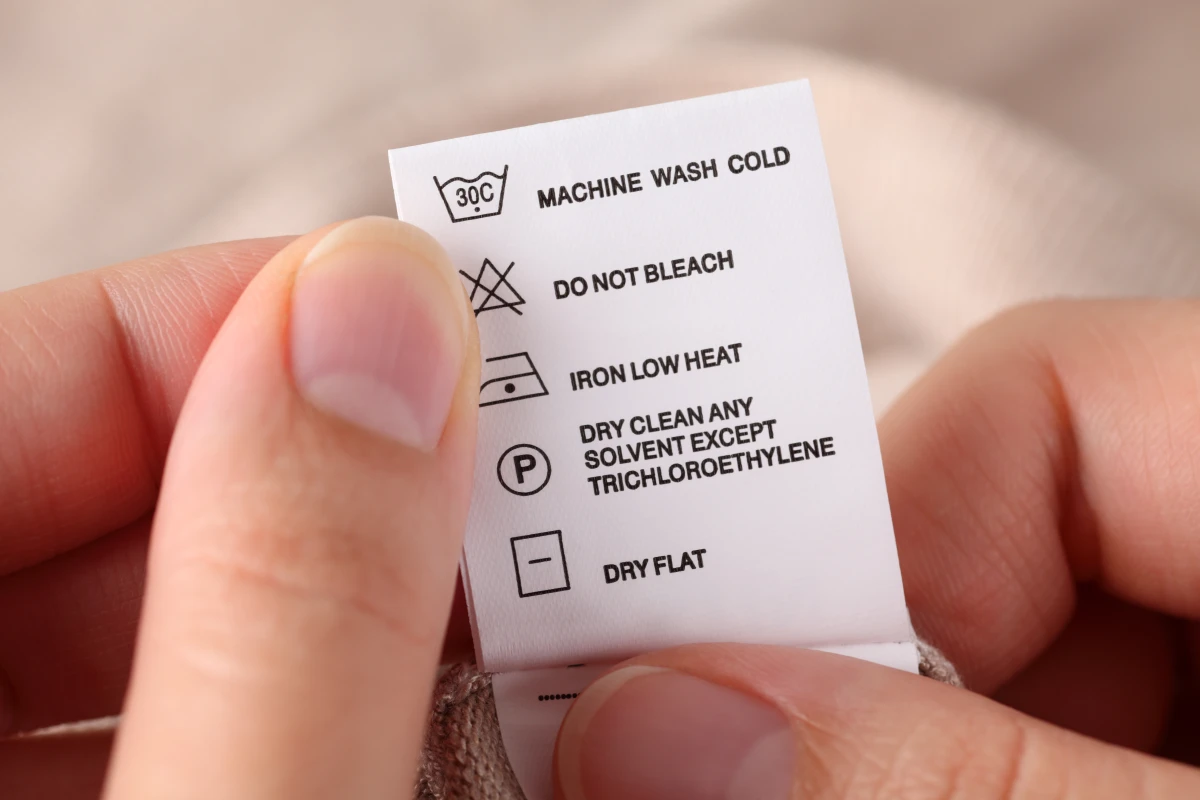
- Care: Will you realistically follow the care instructions?
- Brand info: Do they share factory and material sourcing details, or is it all vague marketing?
Shift on a budget
1) Start with most-worn items
Put your money where your life is. If you wear jeans four days a week, that is your best place to upgrade. If you live in black boots, invest there first. Slow fashion works best when it supports your routine, not an imaginary one.
2) Use tailoring
I am biased because I grew up altering thrift finds on my grandmother’s sewing machine, but a small hem or waist adjustment can turn a “fine” piece into a favorite. Tailoring also helps you buy secondhand with confidence.
3) Try secondhand first
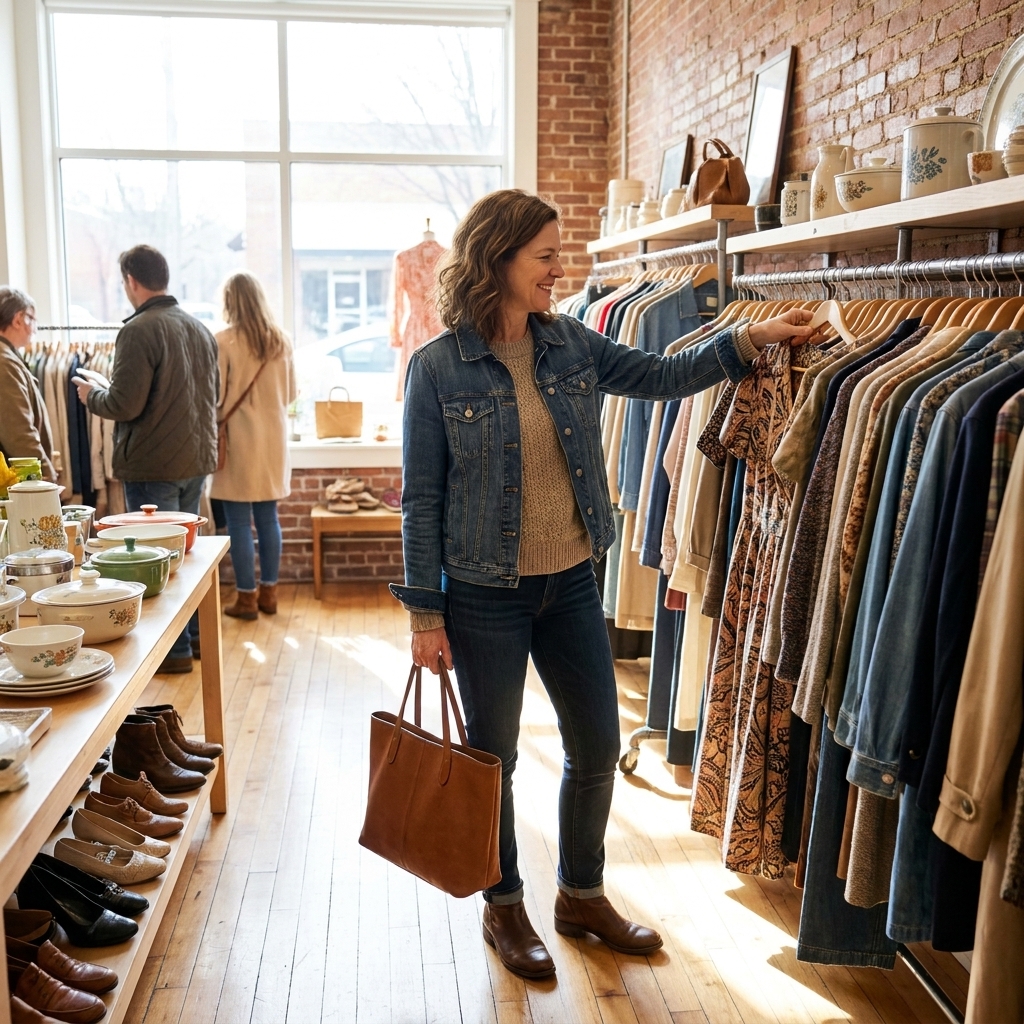
Thrift stores, consignment, estate sales, and resale apps are slow fashion gold. You are keeping clothing in circulation and often getting better materials for the same price as a new fast-fashion item.
4) Build a mini capsule
You do not have to go full capsule wardrobe to benefit from the concept. Pick 10 to 15 pieces that mix easily and cover your week: a great pair of pants, two tops you love, a layering knit, a blazer or jacket, a dress or jumpsuit, and shoes that can handle your commute.
5) Make care part of your routine
- Wash less often when you can, and spot clean when it makes sense.
- Wash cold, use gentle cycles, and air dry to reduce wear and energy use.
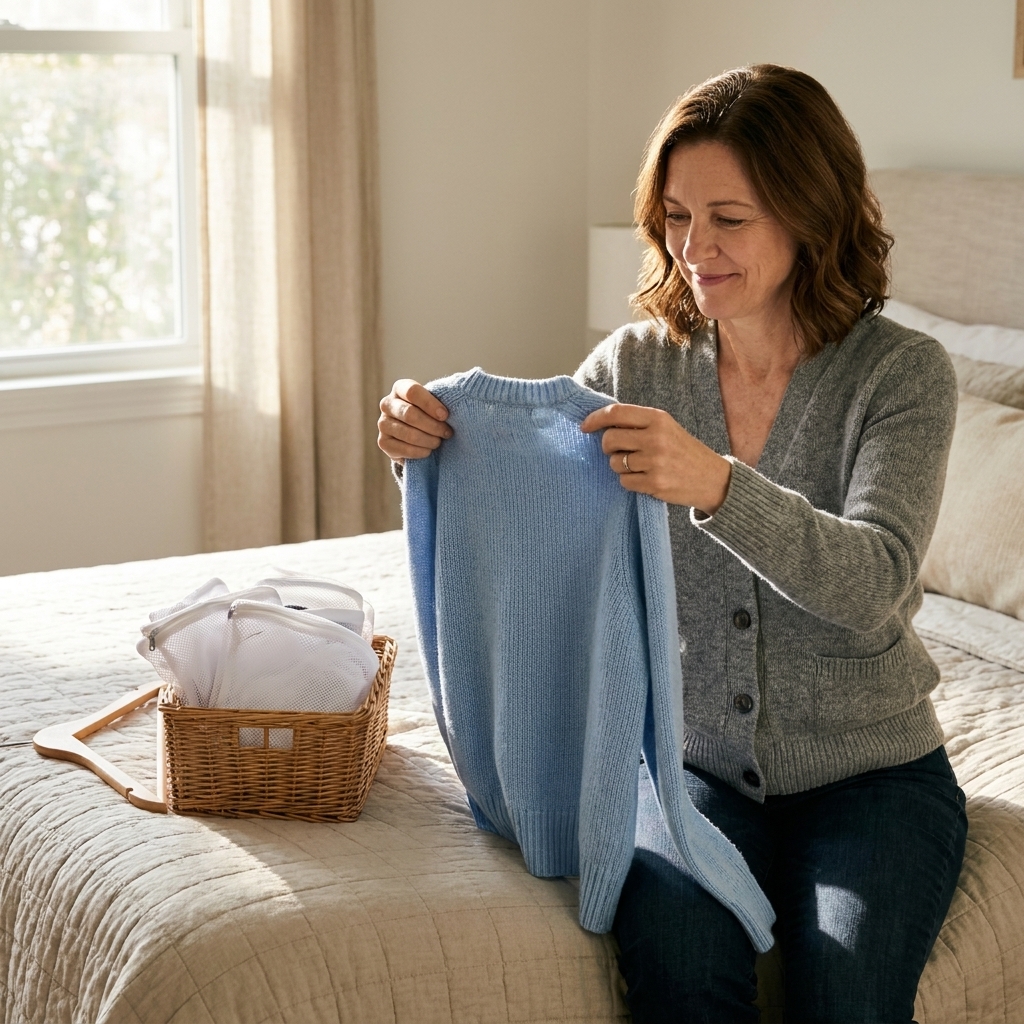
- Use a microfiber-catching laundry bag or filter if you wash a lot of synthetics.
- Learn two basic repairs: sewing on a button and fixing a small seam.
If you want a simple fabric-specific rule of thumb: denim and wool usually need less washing than you think, and a quick steam or spot clean can go a long way. For denim, “freezing” is not a reliable cleaning method, but it can help with odor in a pinch. Washing inside-out on cold and air drying is still your best friend.
6) Quit the haul mindset
If you love the dopamine of a new outfit, you are not alone. Try swapping the impulse: set a one-in, one-out rule, create a wish list, and wait a week. If you still want it and you can picture 10 wears, it is more likely to earn its keep.
Spot greenwashing
Some brands use sustainability language that sounds comforting but does not say much. Here are a few clues that it might be more marketing than substance.
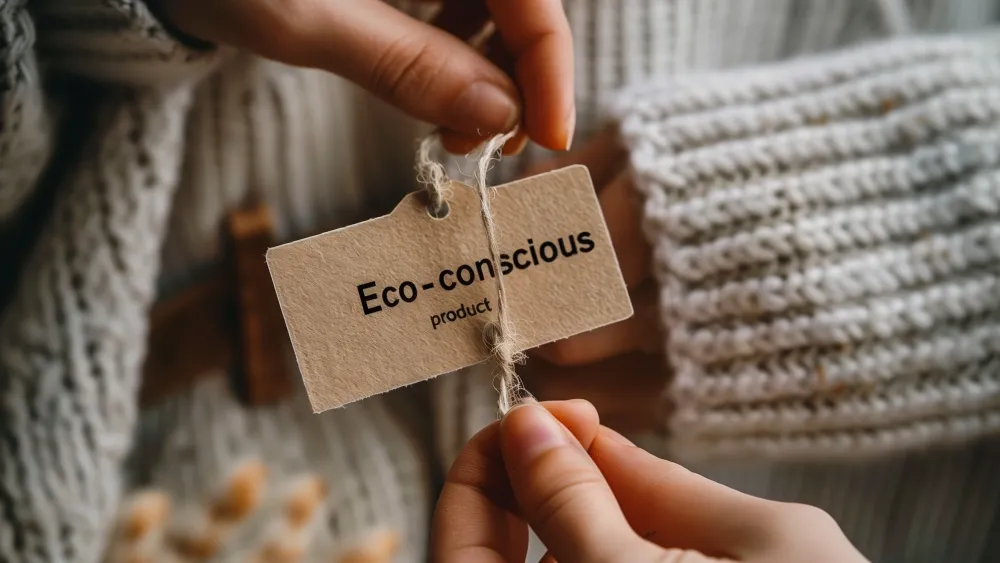
- Vague claims: “eco-friendly,” “conscious,” or “planet positive” with no details.
- No proof: no factory list, no material breakdowns, no measurable goals.
- One tiny “green” line: while the rest of the business runs on overproduction.
- Suspiciously low prices: responsible materials and fair labor generally cost more, though pricing can also reflect branding and markup.
What you want instead: specific information, third-party certifications when relevant, and transparency about what they are still working on.
If you like a starting point for labels, look for certifications such as GOTS (organic textiles), OEKO-TEX (chemical testing), Fair Trade (labor standards in certain supply chains), or bluesign (chemical management). Certifications are not perfect, and they do not cover everything, but they can be a useful clue when paired with brand transparency.
What to do with what you own
This is the part people skip, and it matters. If you already have fast fashion in your closet, you do not need to panic-purge. The best move is to wear it, care for it, and keep it out of the trash for as long as you can.
Wear, repair, repeat
Patch the knee, replace the button, reinforce the seam. A $5 fix can buy you months or years. If you do not sew, a local tailor, dry cleaner, or mending service can still be surprisingly affordable for small repairs.
Donate responsibly
Donate only what is clean, wearable, and season-appropriate. If it is stained, torn beyond repair, or truly worn out, donating can push the problem downstream and create “donation dumping” for communities and charities that cannot process it.
Resell or swap
If something is in good condition but not your style, resell it or trade with friends. Clothing that stays in circulation reduces demand for new production.
Recycle with realistic expectations
Textile recycling is limited, especially for blended fabrics. If your city has textile drop-offs or a take-back program, use it, but keep expectations grounded. The most reliable “recycling” is still extended wear and reuse.
What to do next
If you take nothing else from this, take this: the most sustainable garment is the one you already own and genuinely wear.
Slow fashion is not a personality test. It is a set of practices that reduce waste and respect the people who make our clothes. You can participate by buying less, buying better when you can, shopping secondhand, repairing what you own, and choosing brands that are transparent.
And if you are in a season where fast fashion feels like the only option, focus on wearing what you buy for longer, choosing pieces that are easier to care for, and skipping the items that look trendy but feel flimsy from the start. That is still progress. That still matters.
FAQ
Is fast fashion always bad?
Fast fashion is complicated. It can provide accessible pricing, especially when budgets are tight. The harm tends to come from the scale and speed of overproduction, low-quality construction, and labor practices that often prioritize cost-cutting over worker wellbeing. You can reduce impact by buying fewer items, choosing versatile staples, and committing to longer wear.
Is slow fashion the same as sustainable fashion?
They overlap, but they are not identical. Slow fashion focuses on pace, quality, and longevity. Sustainable fashion is broader and includes materials, labor, water use, emissions, packaging, and end-of-life options. A slow-made piece can still be unsustainable if it uses harmful materials or lacks accountability.
What fabrics are most sustainable?
It depends on sourcing and use. Look for durable fabrics you will actually wear: certified organic cotton, linen, hemp, responsibly sourced wool, and some forms of recycled fibers can be good options. Fiber blends can be practical for durability but may be harder to recycle. The best choice is usually the one that lasts and fits your lifestyle.
How can I practice slow fashion on a tight budget?
Secondhand first, tailor selectively, and focus on care. Upgrade your most-worn categories one at a time, and get comfortable with repeating outfits. Outfit repeating is not a failure. It is style.