When the sidewalk is radiating heat and your iced coffee is sweating faster than you are, fabric choices stop being “fashion” and start being “survival.” Linen and cotton are the two summer classics I reach for most, both for clients and in my own closet. But they do not behave the same way when the forecast gets rude.
Let’s break down what actually matters in the heat: airflow, how a fabric handles sweat, how it feels against your skin, and what it takes to keep it looking good when you are living your life.
Quick verdict (because you are hot)
Linen usually feels cooler than cotton in truly scorching, humid weather because many linen pieces are made in airy weaves, the fabric tends to sit off the body, and it often dries fast. If you tend to overheat, linen is often the quickest way to feel less sticky.
Cotton can be just as comfortable in heat if you pick the right version: lightweight weaves like cotton voile, poplin, seersucker, or gauze, plus roomy silhouettes that let air move.
If you want the simplest rule:
- Peak heat + humidity: linen often wins.
- All-purpose summer + low fuss: cotton often wins.
- You want the best of both: a linen-cotton blend can be a sweet spot.
Why linen can feel cooler
Linen is made from flax, and it tends to have a crisp hand that helps it hold a bit of shape. That matters because airflow is driven most by fabric construction and ease, but linen’s natural structure often pairs well with looser weaves and silhouettes that stay slightly lifted off the skin. In plain English: the combo can feel breezier and less clingy when it is humid.
What you will notice
- More “breeze” effect: especially in looser shirts, dresses, and wide-leg pants.
- Less sticky feeling: linen absorbs moisture and can release it relatively quickly, so it often feels drier faster.
- That crisp, airy hand-feel: even when it wrinkles, it still reads breathable.
One note: linen can feel slightly scratchy if it is lower quality, heavily finished, or brand new. If you are sensitive, look for washed linen or “softened” linen, and wash it once before judging it.
Why cotton is still a summer hero
Cotton is the dependable best friend fabric. It is soft, widely available, and it can be incredibly breathable. The catch is that “cotton” is not one experience. A thick cotton jersey tee and a cotton voile blouse are both cotton, but they behave like completely different species.
Choose the right cotton
- Poplin: smooth, crisp, breathable, great for shirts and shirt dresses.
- Voile or lawn: very lightweight, perfect for blouses and lining-free summer dresses.
- Seersucker: puckered texture lifts fabric off the skin, surprisingly breezy.
- Gauze or double gauze: airy and soft, ideal for relaxed sets.
- Chambray: lighter alternative to denim, great for casual button-ups.
What to avoid on high-heat days if you run warm: heavy jersey, tight rib knits, and dense twill. Also be cautious with cotton knits blended with elastane, and very tightly woven or heavily finished cottons (including some crisp, mercerized styles). They can feel less breathable and stay damp longer once you sweat.

Sweat and drying time
If you have ever stepped outside, started sweating, and then felt your shirt stay damp for the next hour, you already understand the real summer villain: moisture that cannot escape.
Linen
Absorbs moisture and often releases it quickly. That quicker release is one reason linen can feel cooler once you start warming up, especially in loose fits and open weaves.
Cotton
Absorbs moisture well, but can hold it longer depending on the weave and thickness. In dry heat, that can feel fine. In humidity, it can feel clingy, especially in fitted shapes or denser fabrics. To be fair, both cotton and linen are hydrophilic, so humidity plus tight fits is usually the bigger culprit than the fiber itself.
If sweat is your biggest issue, prioritize:
- Looser fits in both fabrics
- Texture or weave that lifts off skin (seersucker, gauze, slubby linen)
- Sleeves that ventilate: sleeveless, kimono, or flutter sleeves often beat tight cap sleeves
- A smart underlayer: a thin breathable undershirt, dress shields, or underarm pads can save your top on long days
Wrinkles: the honest truth
Linen wrinkles. That is not a flaw, it is a personality trait. If you are someone who feels “messy” the second you see a crease, you are allowed to choose cotton and live peacefully.
How linen wrinkles
Linen creases in a soft, broken-in way that reads relaxed. The key is choosing silhouettes where rumpling looks intentional instead of sloppy: wide-leg pants, breezy shirts, shift dresses, and easy blazers.
How cotton wrinkles
Cotton can wrinkle too, but often in sharper, more obvious lines, especially poplin. The difference is cotton is typically easier to press crisp again.
My stylist trick
Decide your vibe before you get dressed:
- Want polished: choose cotton poplin or a linen-cotton blend, then do a quick steam.
- Want effortless: choose washed linen and lean into the rumple with simple accessories.
Care and longevity
Because the best summer fabric is the one you will wear repeatedly, not the one that lives on a “special care” hanger.
Linen care
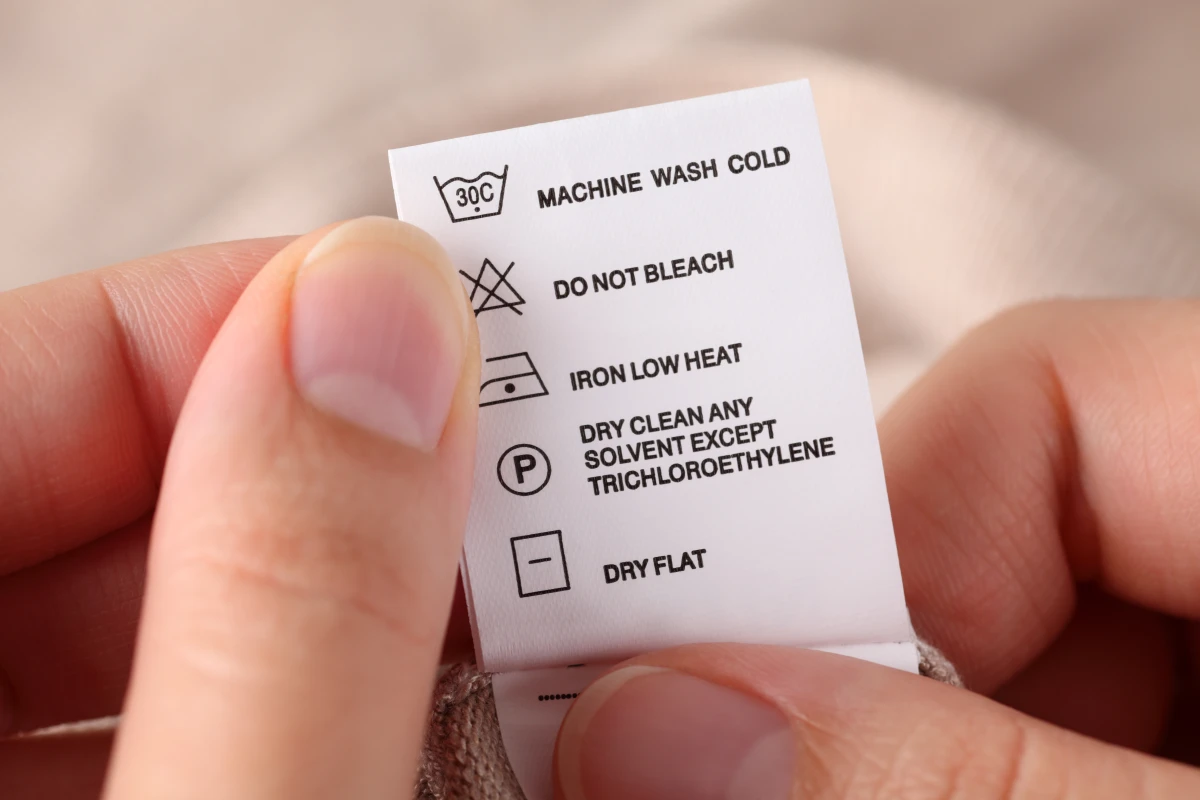
- Washing: usually machine washable on gentle, but check the label. Washed linen is especially easy.
- Drying: air dry for longest life, or tumble low and pull out slightly damp to reduce wrinkles.
- Pressing: steam works beautifully. Iron when damp if you want crisp.
Cotton care
- Washing: generally very forgiving and machine-friendly.
- Drying: tumble dry is fine for many items, but air drying can help reduce heat wear and keep fabrics from looking dull over time. (Water quality, detergent, and sun exposure matter too.)
- Pressing: easy to iron crisp, especially poplin and broadcloth.
Longevity note: both fabrics last a long time when cared for, but linen often gets softer with age. Cotton can thin over time in high-friction areas, especially lightweight knits.
Hot weather outfits
I styled windows in Chicago summers where the humidity felt personal. On those days, styling is about two things: airflow and minimal contact with the skin.
Best linen pieces
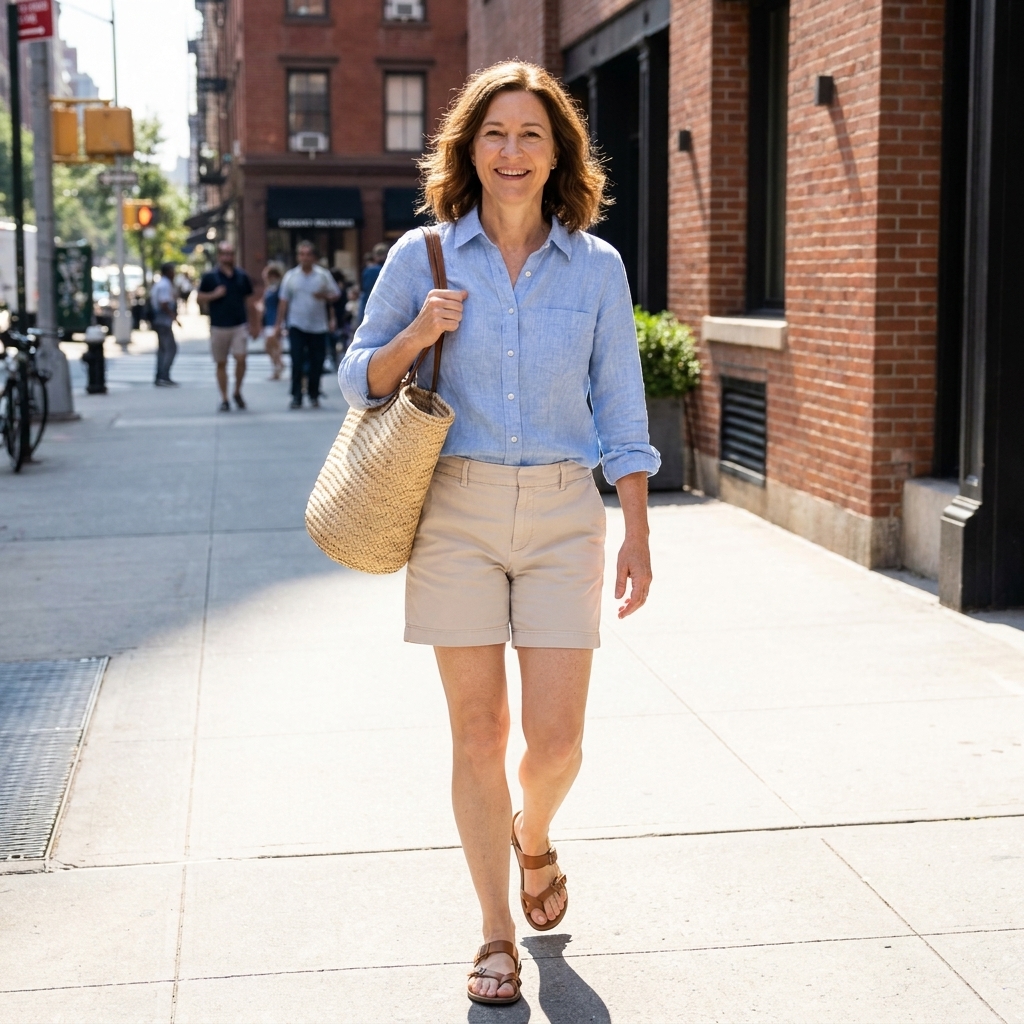
- Oversized linen button-up: wear open over a tank, or buttoned with sleeves rolled.
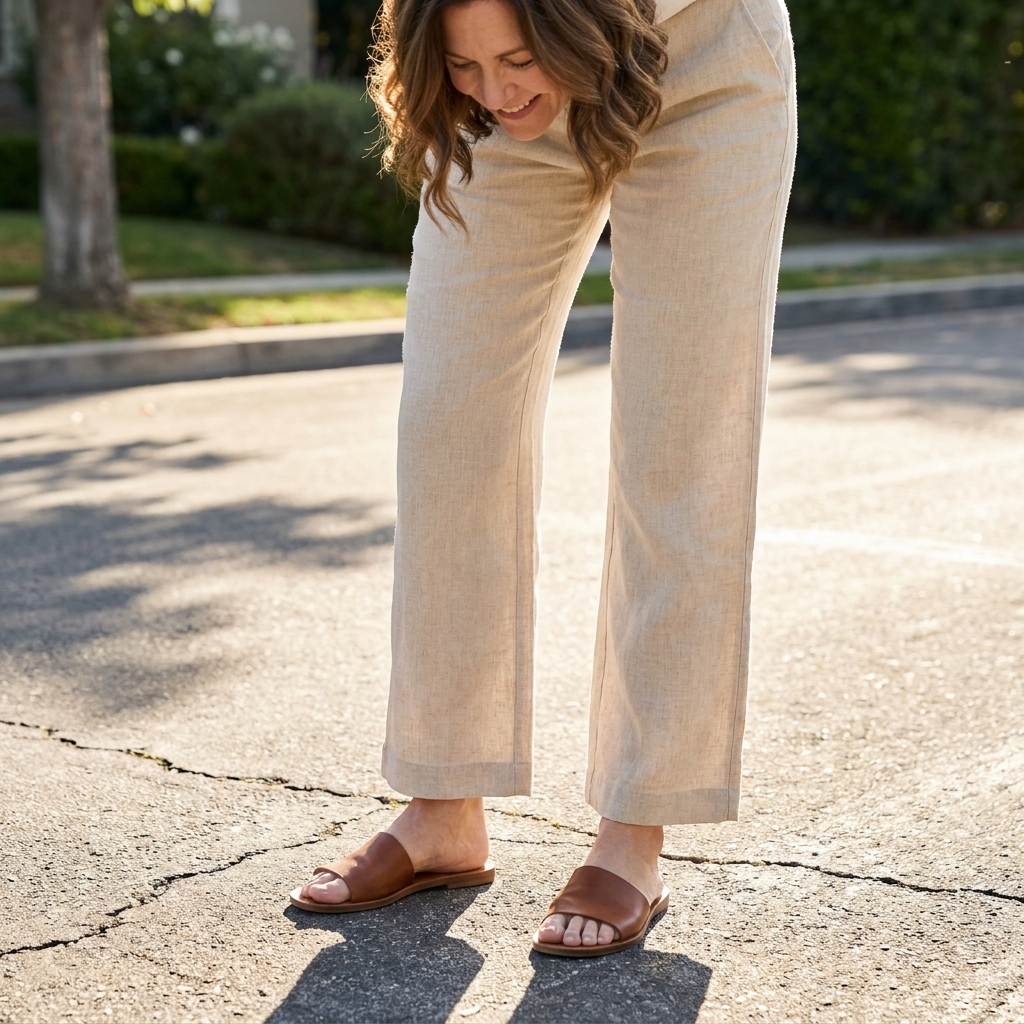
- Linen wide-leg pants: your legs can breathe, and you still look pulled together.
- Linen shift dress or midi: a one-and-done outfit that does not cling.
- Linen shorts with a longer inseam: less chafing, more ease.
Best cotton pieces
- Cotton poplin shirt dress: crisp, breezy, looks polished with minimal effort.
- Seersucker set: the texture does the cooling work for you.
- Lightweight cotton tee with a boxy fit: skip the cling, keep the comfort.
- Cotton gauze button-up: airy, soft, perfect for beach-to-street days.
Fit tip I swear by: when standing normally, if you can pinch at least an inch of fabric away from your body at the waist and hips, you are in a better zone for airflow.
Color and weave matter too
People ask me “linen or cotton?” but the secret third player is construction. A breathable weave in either fiber can outperform a dense weave in the “cooler” fiber.
To stay coolest
- Lighter colors: white, ecru, soft khaki, pale blue, butter, and washed pastels can feel noticeably cooler in direct sun. Indoors or in shade, the difference is smaller, and thickness matters too.
- Looser weaves: you should be able to see a hint of light through the fabric when held up, without it being sheer on the body.
- Roomy shapes: heat escapes when fabric is not suctioned to you.
If you love darker colors, try them in linen or seersucker, and keep the cut generous.
Linen-cotton blends
If you want some of linen’s breeziness but with fewer dramatic creases, look for linen-cotton blends. They tend to drape nicely, wrinkle a bit less, and feel more approachable if you are new to linen.
Blends are especially great for:
- Tailored shorts that still feel airy
- Summer blazers you want to wear to work
- Shirts that need to look neat longer
Small summer capsule
If you want maximum outfit options with minimum brainpower, here is the mix I suggest for most people:
- 1 linen piece: a relaxed button-up or wide-leg pant (your cooling MVP)
- 2 lightweight cotton tops: poplin, voile, or gauze
- 1 cotton dress or set: poplin shirt dress or seersucker set
- 1 layer: a linen-cotton overshirt or a very light cotton cardigan for aggressive air conditioning
Add comfortable sandals, a breathable bra or bralette, and a bag that does not trap heat against your side. Small things, big payoff.
FAQ
Is 100% linen always cooler than 100% cotton?
Not always. A heavy, tightly woven linen can feel warmer than a very lightweight cotton voile. But in comparable weights and similarly breathable constructions, linen often feels cooler and can dry faster.
Does linen shrink?
It can, especially the first wash if it is not pre-washed. Use cool water, gentle cycles, and avoid high heat drying if you want to minimize shrinkage.
Is cotton better for sensitive skin?
Often, yes, because it is naturally soft. If linen feels scratchy to you, look for washed linen or a linen-cotton blend, and avoid very stiff, heavily finished linen.
What is best for sweaty underarms?
Choose looser fits, breathable weaves, and sleeves with ventilation. For disguising sweat, small to medium prints, heathered colors, and textured fabrics (seersucker, gauze, slubby linen) tend to be more forgiving than dark, flat solids, which can show salt marks. If you are really battling it, add a thin undershirt or dress shields.
What about rayon, lyocell, hemp, or performance fabrics?
They can all work in heat, depending on the fabric. Rayon and lyocell can feel cool and drapey but may show sweat and cling in humidity. Hemp is a close cousin to linen in vibe and breathability. Performance synthetics can manage sweat well, but they vary a lot, and some trap odor. I focused on linen and cotton because they are the most common, easiest to shop, and easiest to wear across casual to polished outfits.
The bottom line
If you want the coolest-feeling option in oppressive heat, reach for linen, especially in roomy silhouettes and breathable weaves. If you want a low-maintenance staple that still breathes, choose the right lightweight cotton and pay attention to weave, finish, and fit.
My favorite approach is not “linen versus cotton,” it is “linen and cotton.” Build a summer wardrobe where you can rotate based on the day, your plans, and how much effort you want to put into wrinkles. Your clothes should support you, not lecture you.