I love a beautiful leather jacket as much as the next stylist. I also love breathing clean air, drinking clean water, and not treating sustainability like a vibes-only accessory. So let’s talk honestly about the question that keeps popping up in fitting rooms and comment sections: Is vegan leather actually more sustainable than real leather?
Here’s the truth: “vegan leather” is not one material. It can mean petroleum-based plastic (PU or PVC), it can mean partly bio-based composites, or it can mean newer plant-based textiles that behave more like coated fabric than traditional hide. Meanwhile, “real leather” can be chrome-tanned, vegetable-tanned, traced to regenerative ranching, or produced with very little transparency.
Instead of picking a team, we’re going to look at what matters most: climate impact, land and water use, chemicals, microplastics, durability, and end-of-life. Then I’ll tell you what I recommend for real-life wardrobes.
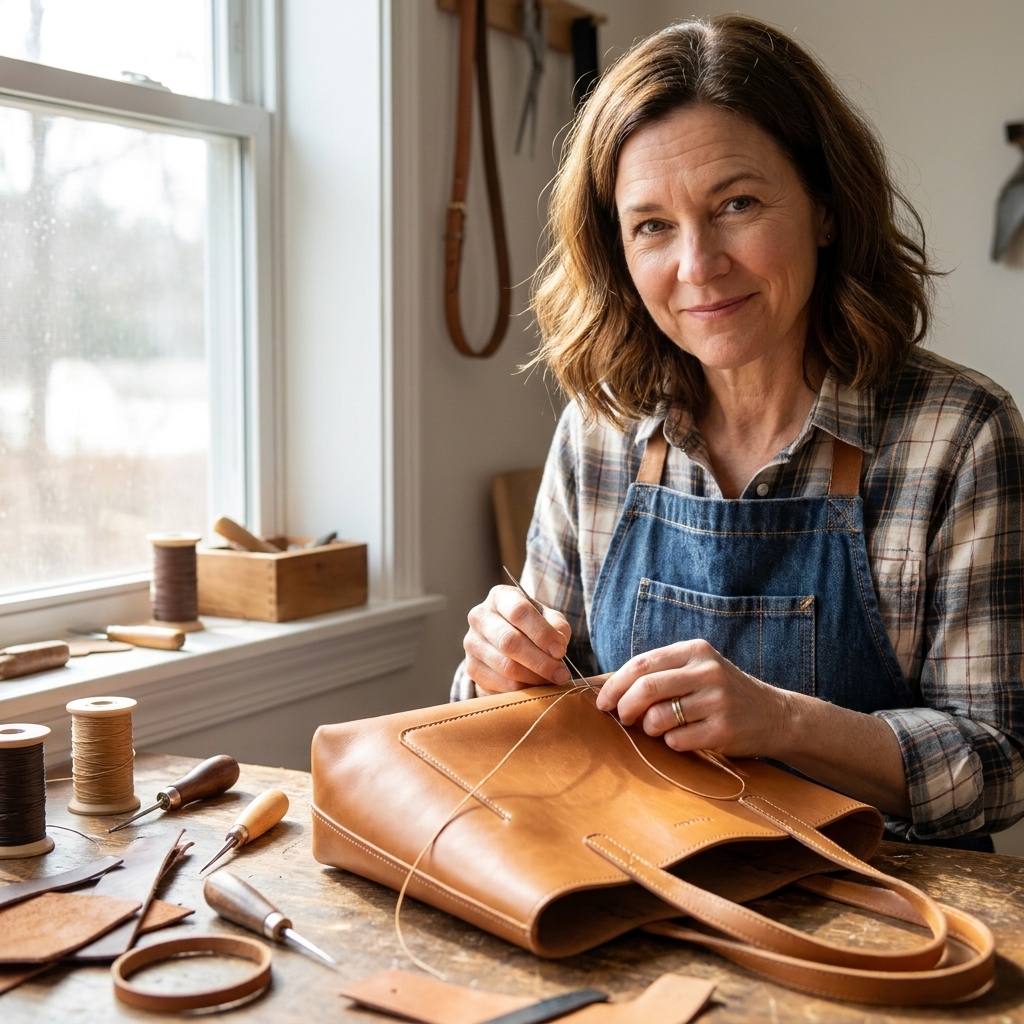
The sustainability basics
When we talk about sustainability, we are usually rolling several issues into one big word:
- Carbon footprint: greenhouse gases from raising animals, manufacturing plastics, energy used in processing, and shipping.
- Land and water use: grazing land, feed crops, water for livestock, and water used in tanning or coating processes.
- Chemicals and pollution: tanning agents, solvents, dyes, wastewater treatment, and worker exposure.
- Microplastics: plastic particles that shed during wear and disposal.
- Durability: the most sustainable item is often the one you do not replace every two years.
- End-of-life: whether something biodegrades, can be repaired, or is destined for landfill.
With that lens, let’s break down the materials.
Real leather
What it is
Real leather is animal hide, most commonly from cattle. It is often a byproduct of the meat and dairy industries, then processed (tanned) to prevent decay and create the texture and strength we associate with leather. One important nuance: even when hide comes from the existing meat supply, hide value can still influence economics in some regions, which is why leather’s “byproduct” status is not a free sustainability pass.
Where it can be more sustainable
- It can last decades. Quality leather shoes, bags, and jackets can be resoled, conditioned, patched, and worn for years. Longevity is a sustainability superpower.
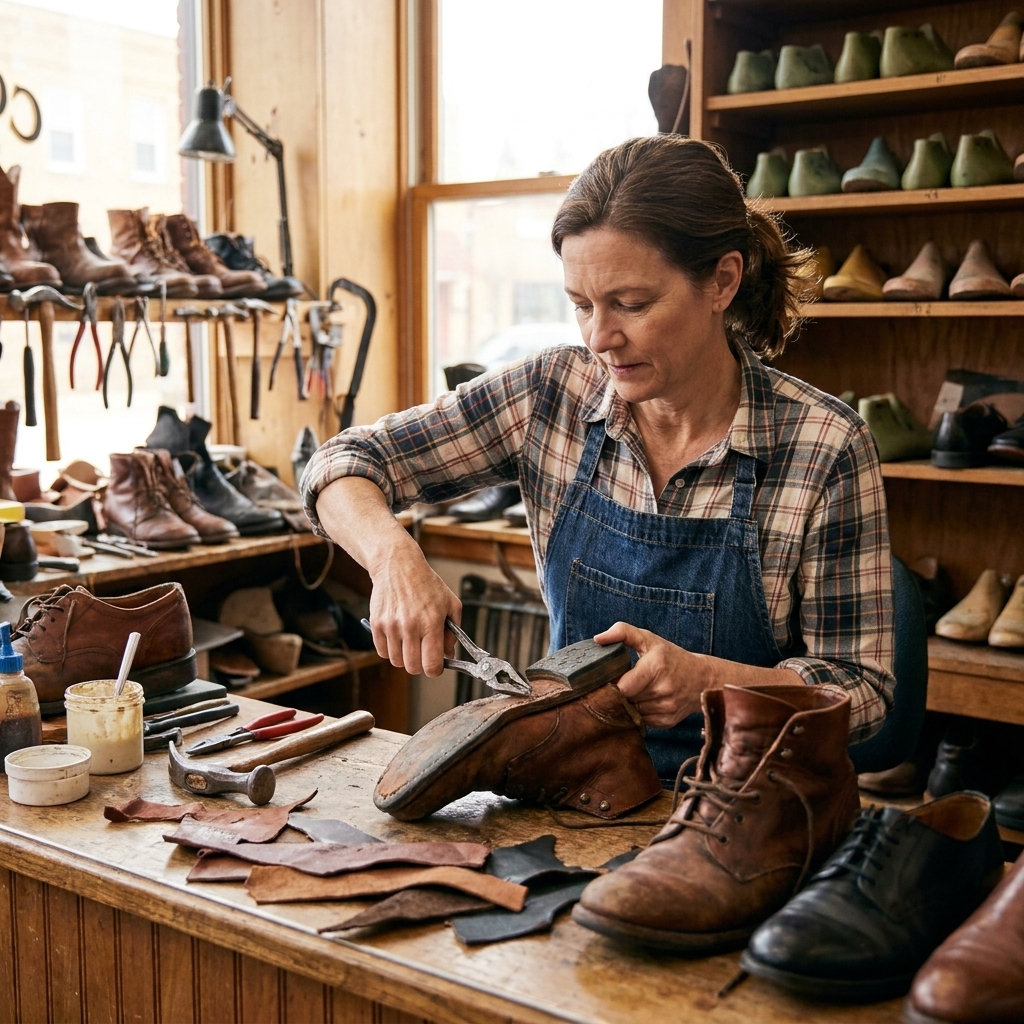
- It can be repaired. Cobblers and leather workers can keep items in circulation rather than replacing them.
- It does not shed microplastics like PU or PVC. Leather is not a plastic coating in the same way. That said, many leathers have polymer finishes or topcoats, so they can still shed small particles over time, just typically not the same microplastic story as plastic-coated fabrics.
Where it struggles
- Animal agriculture has a heavy climate and land footprint. Cattle methane emissions and land use are significant drivers of environmental impact globally.
- Tanning can be chemically intense. Many leathers are chrome-tanned because it is fast and produces soft, consistent results. If wastewater and chemical handling are poorly managed, tanning can create serious pollution and health risks.
- Traceability is often weak. It can be hard to know where the hide came from, how animals were raised, or how the tannery treats its workers and waste streams.
Clara’s take: If you already own real leather, the most sustainable move is almost always to take care of it and keep it in rotation. Condition it, resole it, store it properly, and let it earn its keep.
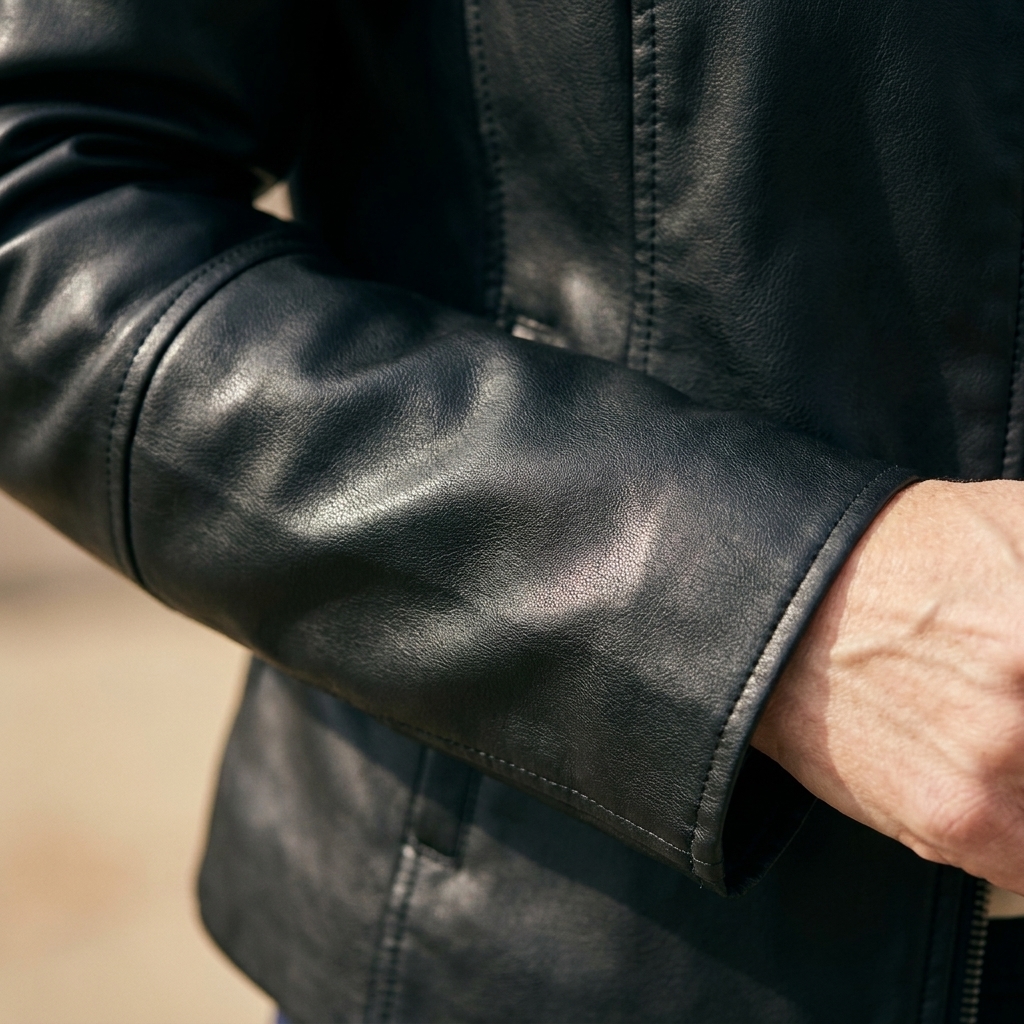
Vegan leather (PU and PVC)
What most of it is
The most common vegan leathers on the market are plastic-based coatings applied to a fabric backing:
- PU (polyurethane): generally softer and more flexible than PVC.
- PVC (polyvinyl chloride): often cheaper, can feel stiffer, and has a reputation for harsher chemistry in production and additives.
Where it can look better on paper
- No animal farming. If your main priority is avoiding animal-derived materials, PU and PVC meet that requirement.
- Typically lower land use than cattle. These materials do not require grazing land or feed crops. The exact comparison depends on how you measure impact (and how long the item lasts), but land pressure is usually not the headline issue for PU or PVC.
The problems people skip over
- Fossil fuel dependence. PU and PVC are typically made from petrochemicals.
- Shorter lifespan in many products. A lot of “pleather” peels, cracks, or delaminates, especially on shoes and bags that take friction and weather. Replacing an item frequently can erase any theoretical advantage.
- Microplastic shedding and landfill persistence. Plastic-coated materials can shed over time and generally do not biodegrade.
- Chemical concerns. Production can involve solvents and additives. PVC in particular has long-running concerns tied to chlorine chemistry and plasticizers.
Clara’s take: If you choose PU or PVC, buy it like you buy a lipstick you love: intentionally, not impulsively. Look for better construction, thicker material, and hardware that can handle wear, because the biggest sustainability issue here is often premature failure.
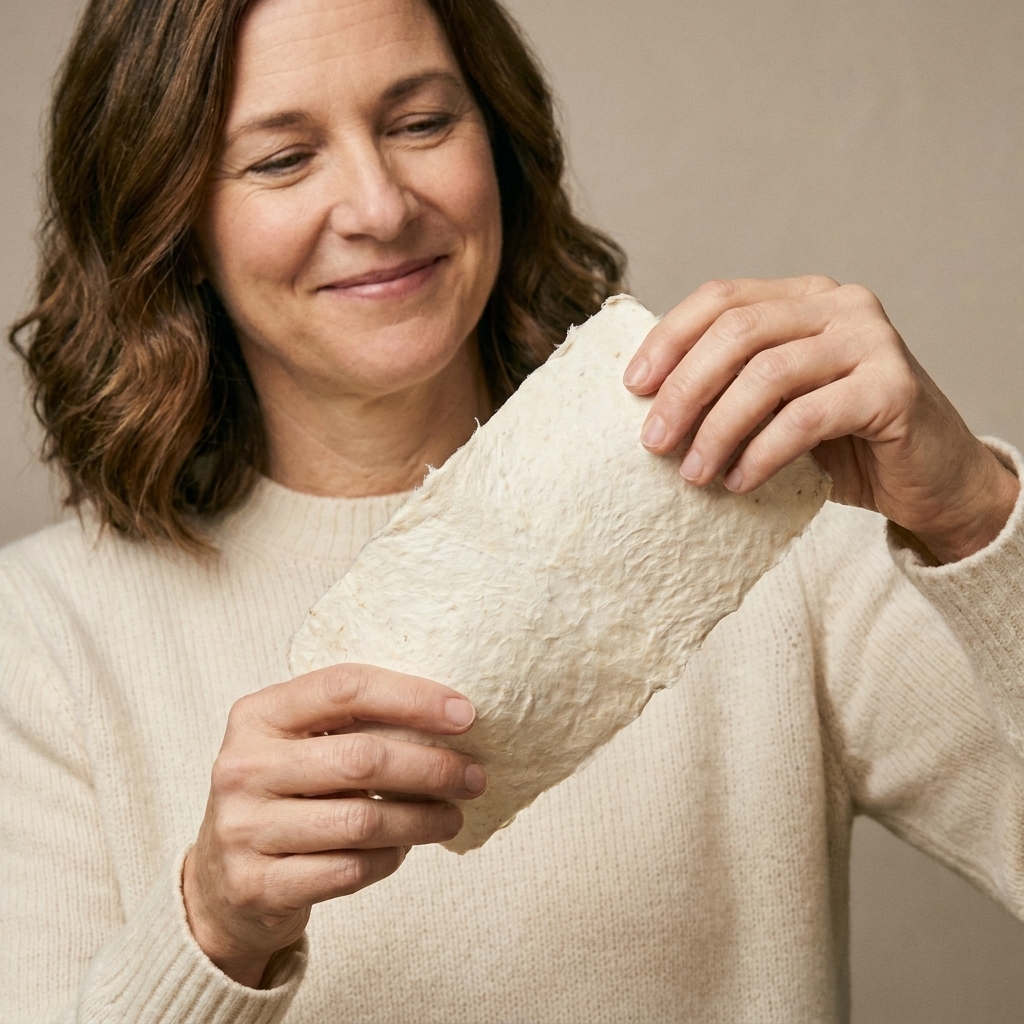
Plant-based and next-gen leathers
This is the category that gets people excited, and I get it. Materials made from pineapple leaf fiber, mushroom mycelium, cactus, apple waste, grape marc, and other bio-based inputs sound like the future.
What they usually are
Most plant-based leathers are not 100 percent plant. Many are a plant fiber or bio-resin combined with a PU coating to achieve durability, water resistance, and a leather-like finish. That does not make them “bad,” but it does mean they are often mixed-material composites, which can be hard to recycle and may not biodegrade.
Also worth knowing: a smaller number of brands are working on PU-free binders and coatings. Promising, yes. Widespread, not yet.
Where they can be a win
- Reduced reliance on virgin fossil inputs if the bio-based portion is significant.
- Potential use of agricultural byproducts (like fruit waste or leaf fibers) that might otherwise be discarded.
- Innovation pressure on the industry to move away from worst-case chemical and waste practices.
What to watch for
- Durability data. Some next-gen materials are still proving themselves in high-wear categories like shoes.
- Coatings and binders. If it is plant-based but coated in PU, it may still behave like plastic at end-of-life.
- Transparency. Look for brands that disclose composition percentages and publish testing, certifications, or clear sourcing details.
Clara’s take: I am optimistic about next-gen leathers, especially for bags, small accessories, and light jackets. For shoes that you expect to walk miles in, I want to see strong wear testing or a brand with repair options.
Which is more sustainable?
If you were hoping for one clean winner, I get it. But sustainability is a scoreboard with multiple categories.
Real leather tends to win on
- Longevity and repairability
- Less microplastic shedding than PU and PVC
- Classic resale value (especially for heritage brands and well-made pieces)
Plastic-based vegan leather tends to win on
- Avoiding animal-derived materials
- Typically lower land use than cattle in many comparisons
Next-gen plant-based can win on
- Reducing virgin fossil inputs (depending on composition)
- Using byproduct streams
- Encouraging better material innovation
But here is the part we cannot skip: the most sustainable choice is the one you will actually wear for a long time. A $60 PU bag that peels in a year is worse than a secondhand leather bag you carry for a decade. A brand-new leather jacket you wear twice is not inherently “better” than a well-made non-leather jacket you wear constantly.
How to shop smarter
1) Start with what you already own
If you have leather, care for it. If you have vegan leather, store it away from heat, avoid harsh cleaners, and do not fold it where it will crease and crack.
2) If you buy leather, buy less but better
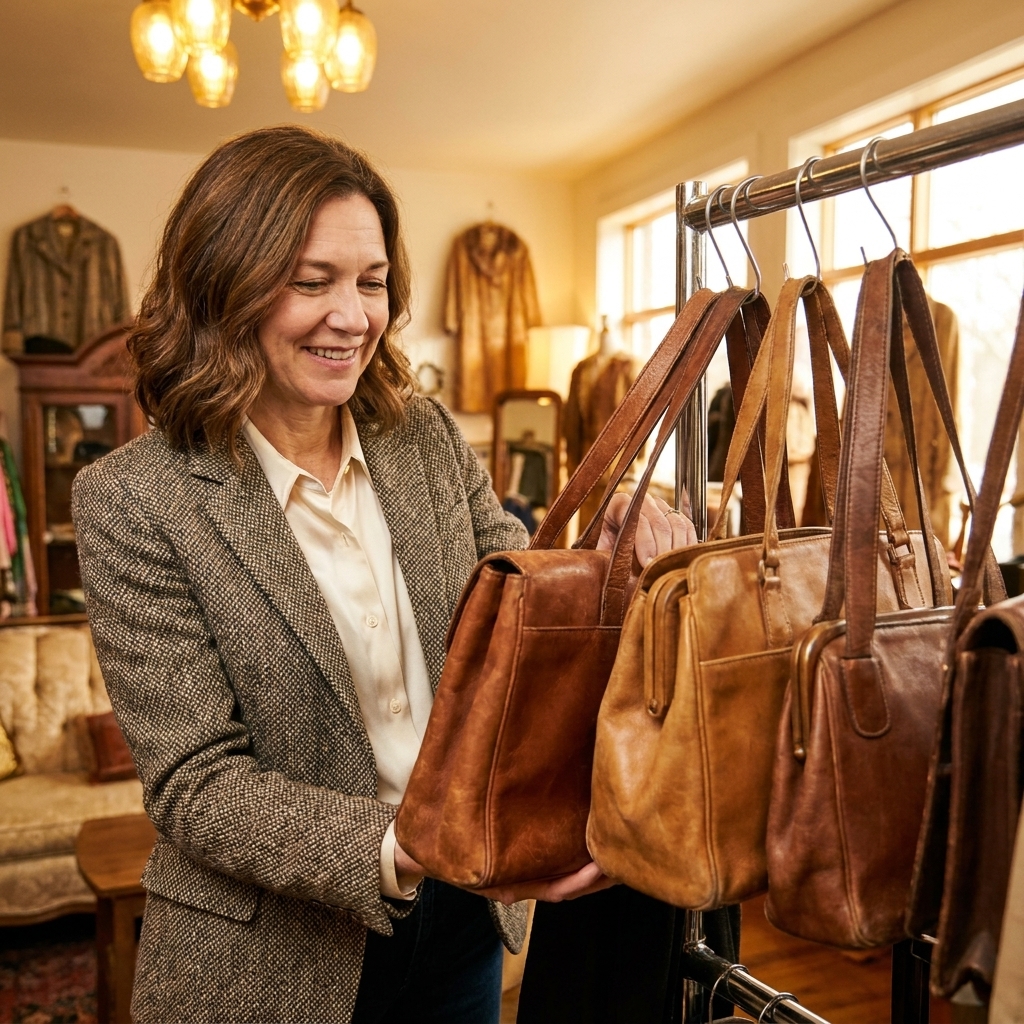
- Consider secondhand first. Vintage and resale keep materials in use and reduce demand for new production.
- Look for better transparency signals. Quick checks that can actually help: LWG (Leather Working Group) for tannery environmental auditing, ZDHC alignment for chemical management, and clear disclosure of tannery name and country. No label is perfect, but silence is usually not a great sign.
- Prioritize construction and leather type. If you want longevity, look for full-grain or high-quality top-grain. Be cautious with bonded leather (it can break down sooner) and heavily coated “corrected grain” pieces that rely on thick finishes.
- Be skeptical, not cynical, about “regenerative.” Regenerative ranching claims can be meaningful, but results vary. Look for third-party verification, clear standards, and actual reporting, not just a buzzword on a hangtag.
3) If you buy vegan leather, avoid the disposable stuff
- Skip super-thin, high-shine pieces that crease and peel quickly.
- Choose timeless shapes you will still like in five years.
- Check composition. If it is PVC, consider whether there is an alternative in the same price range.
- Ask about repairs. A brand that can replace straps, hardware, or zippers is quietly doing sustainability better than a brand that cannot.
4) Put repair on your mood board
A resole or a zipper replacement is often the most sustainable fashion purchase you can make. Depending on the boot, region, and construction, that might be $25 to $100+, but it is still usually cheaper (and cleaner) than starting over.
Recommendations by item
Boots
If you want boots you can walk in for years, high-quality leather with resoleable construction is often the durability champ. If you prefer non-leather, look for brands that offer repairs and are transparent about materials. Be extra cautious with cheap PU boots, because cracking at the toe box is common.
Handbags
Bags are a great place to experiment with next-gen materials because they do not experience the same flex-and-friction stress as shoes. Secondhand leather is also a strong option if you are comfortable with it.
Jackets
Jackets are about longevity and fit. If you buy leather, buy the one you will wear forever, get the sleeves tailored, and treat it like an heirloom. For vegan options, thicker, well-constructed pieces with quality linings tend to age better.
Belts
Belts take a beating. If you want one belt to last, leather is hard to beat. If you choose vegan, look for reinforced structure and avoid ultra-thin straps.
FAQ
Is real leather biodegradable?
Untreated hide is biodegradable, but most consumer leather is tanned and finished. Chrome-tanned leather is generally less readily biodegradable than vegetable-tanned, and heavy finishing slows breakdown even more. End-of-life is complicated, which is why keeping items in use longer matters so much.
Is PU leather always bad?
Not automatically. PU avoids animal inputs, and some PU products are better made than others. The key issues are fossil fuel origin, potential microplastics, and durability. A well-made PU piece you use for years is preferable to a cheap one you replace repeatedly.
Is plant-based leather actually plastic-free?
Sometimes, but often not. Many plant-based leathers use a PU coating or binder for performance. Look for clear composition details, not just marketing language.
What is the single most sustainable option?
For most people: buy less, buy secondhand when possible, choose durable construction, and repair what you own. Material matters, but lifespan and care habits matter too.
The bottom line
If you are deciding between vegan leather and real leather purely on sustainability, the most honest conclusion is this:
- Real leather can be the more sustainable choice when it is high quality, well cared for, and worn for many years, but it carries serious climate and chemical concerns tied to livestock and tanning.
- Plastic-based vegan leather avoids animal agriculture, but it can be fossil-fuel heavy, prone to early failure, and persistent in landfill.
- Next-gen plant-based leathers are promising and improving, but you should still check durability and composition before assuming they are the perfect solution.
My stylist heart wants you in pieces that feel like you, not pieces that make you feel guilty. Choose the option that aligns with your values, then make it last. That is the kind of sustainable style I will always cheer for.