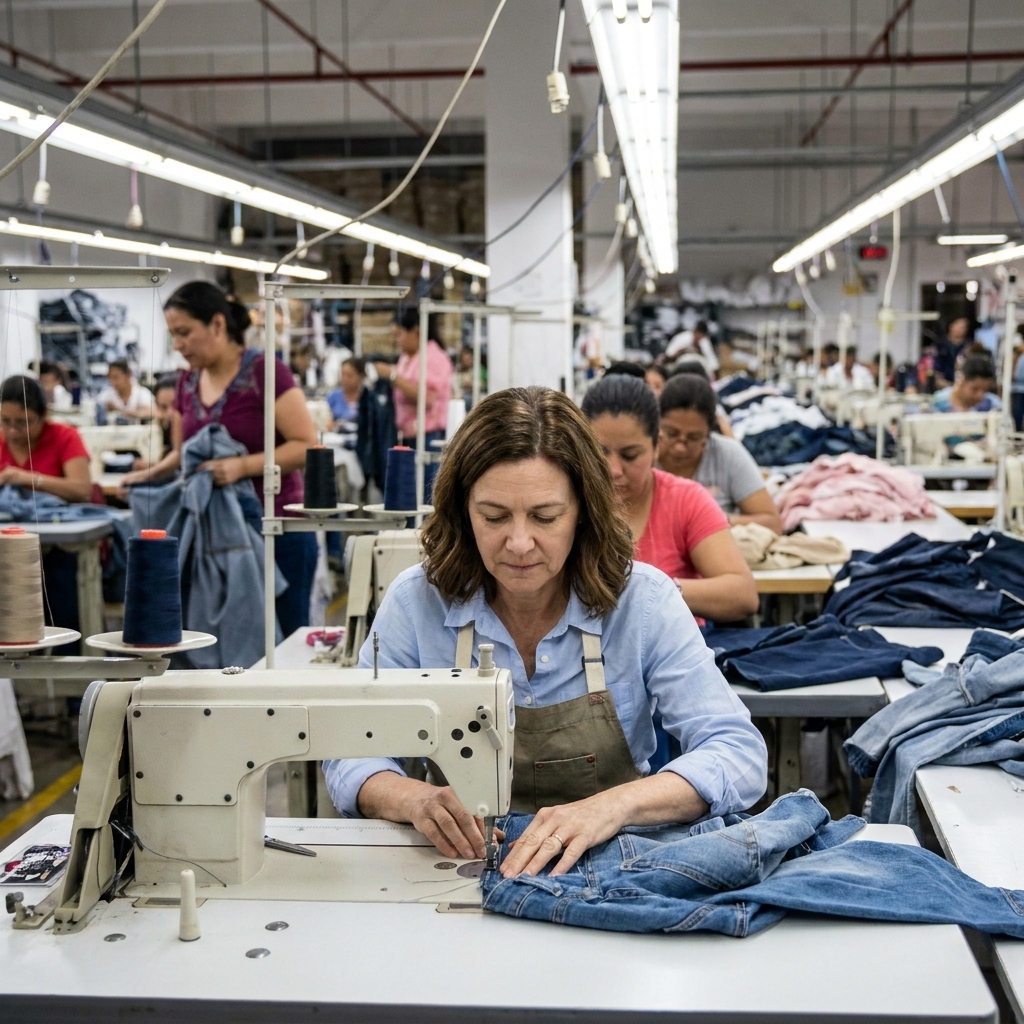
I love a good “responsibly made” hangtag as much as the next person. But as someone who has spent years around merchandising floors and garment racks, I can tell you this: marketing language is often doing more work than the fabric.
Greenwashing is when a brand makes something sound environmentally friendly without meaningful proof, or while the overall business model still depends on overproduction, low-cost labor, and disposable quality. This guide will help you spot the red flags, ask better questions, and buy less but smarter, without needing a degree in supply chains.
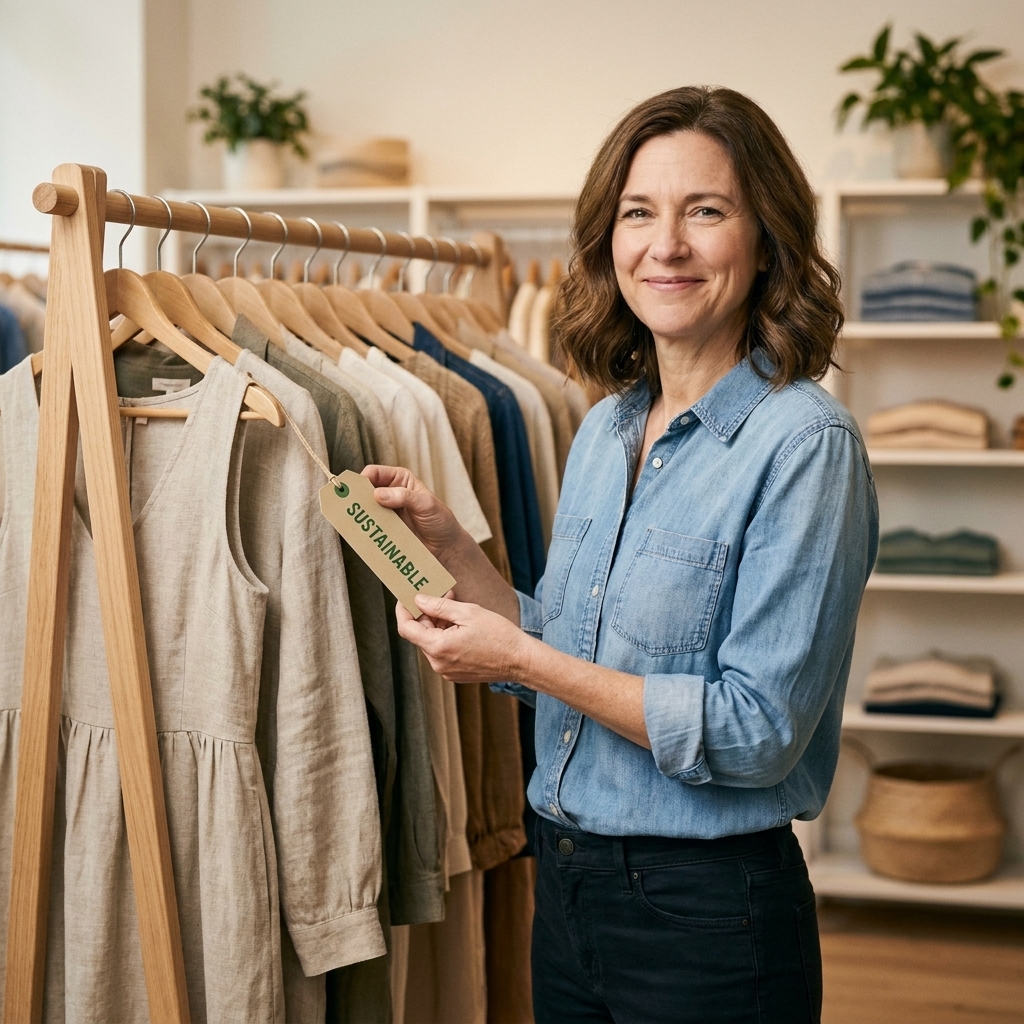
What greenwashing looks like
Greenwashing is rarely a flat-out lie. It is more often a carefully framed half-truth, a vague claim, or a feel-good headline that skips the details. Here are the most common ways it shows up in fashion:
- Vague claims: “Eco-friendly,” “conscious,” “green,” “planet positive,” and “clean” with no specifics.
- One small “good” detail: A single recycled component (like lining or packaging) used to suggest the whole product is sustainable.
- Selective storytelling: A brand highlights a capsule “Earth” collection while the rest of its output remains fast fashion as usual.
- Impressive numbers with no context: “50% less water” compared to what baseline, measured by whom, and across which parts of production?
- Feel-good imagery: Leaves, oceans, and earthy color palettes doing the persuasion when the data is thin.
If you remember one thing, let it be this: sustainability is specific. Real claims come with definitions, boundaries, and receipts.
The checklist I use
1) Does the claim name the “what,” “how,” and “how much”?
Strong claims tell you exactly what is improved and by how much, in plain language.
- Weaker: “Made with sustainable materials.”
- Stronger: “Shell is 100% GOTS-certified organic cotton. Dyes meet a defined standard (for example, bluesign-approved chemistry) and the facility treats wastewater. Factory list available.”
Look for percentages, fiber names, certification names, and a clear scope (is it the whole garment or one component?).
2) Is it a product claim or a company claim?
A brand can sell one “responsible” top and still run a waste-heavy business. Ask yourself:
- Is this about this item (materials, dyes, factory), or about the brand’s vibe?
- Do they talk about total impact (overall emissions, total water use, total production volume), or just a small initiative?
3) Do they show suppliers, not just values?
Transparency is not a mood board. It is names, locations, and what gets checked.
- Good signs: A public supplier list, factory addresses, and how often conditions are audited.
- Red flags: “We partner with ethical factories” with no list, no countries, no standards.
One important nuance: audits can catch issues and set minimum expectations, but they do not guarantee perfect conditions. Strong brands treat audits as a floor, then show remediation steps, worker voice programs, and repeat results over time.
Words to pause on
Some terms are legally squishy or inconsistently defined. They are not automatically bad, but they require follow-up.
- Conscious, eco, green, kind to the planet: Ask, “Based on what standard?”
- Natural: Arsenic is natural. So is asbestos. Fiber content matters more than vibes.
- Non-toxic: Which chemicals are excluded? Is it verified?
- Biodegradable: Under what conditions (industrial compost, home compost, landfill)? Many blended textiles will not biodegrade meaningfully in typical conditions.
- Carbon neutral: Sometimes achieved mostly through offsets rather than actual emissions reductions. Credible claims should disclose what scopes are included and what kind of offsets are used.
- Recycled: Recycled what, and what percent? Recycled polyester is different from recycled cotton, and both have tradeoffs.
My personal rule: if a claim could be printed on a candle label, I need more proof before I pay for it.
How to verify claims
Check credible certifications
Certifications are not perfect, but credible ones add accountability. Look for certification details on the product page, not just a logo floating in the footer.
Also: certification scope matters. A product might be certified for one material, one facility, or one step of production. “Certified” is only meaningful when you know what, exactly, is certified.
- GOTS (Global Organic Textile Standard): Organic fibers plus processing standards.
- OEKO-TEX (like Standard 100): Tests for harmful substances in textiles. This is about chemical safety, not necessarily environmental impact.
- bluesign: Focus on safer chemical management and textile production standards.
- FSC: Forest management and chain-of-custody for wood and pulp. In fashion, it can support sourcing claims for cellulosic feedstocks (like viscose and lyocell inputs), but it does not certify the finished textile’s chemical processing.
- Leather Working Group (LWG): Environmental practices in tanneries (not a guarantee of ethical labor or animal welfare).
If a brand name-drops a certification, look for certificate numbers, certifying bodies, or a way to verify on the certifier’s site.
Read fiber content like a recipe
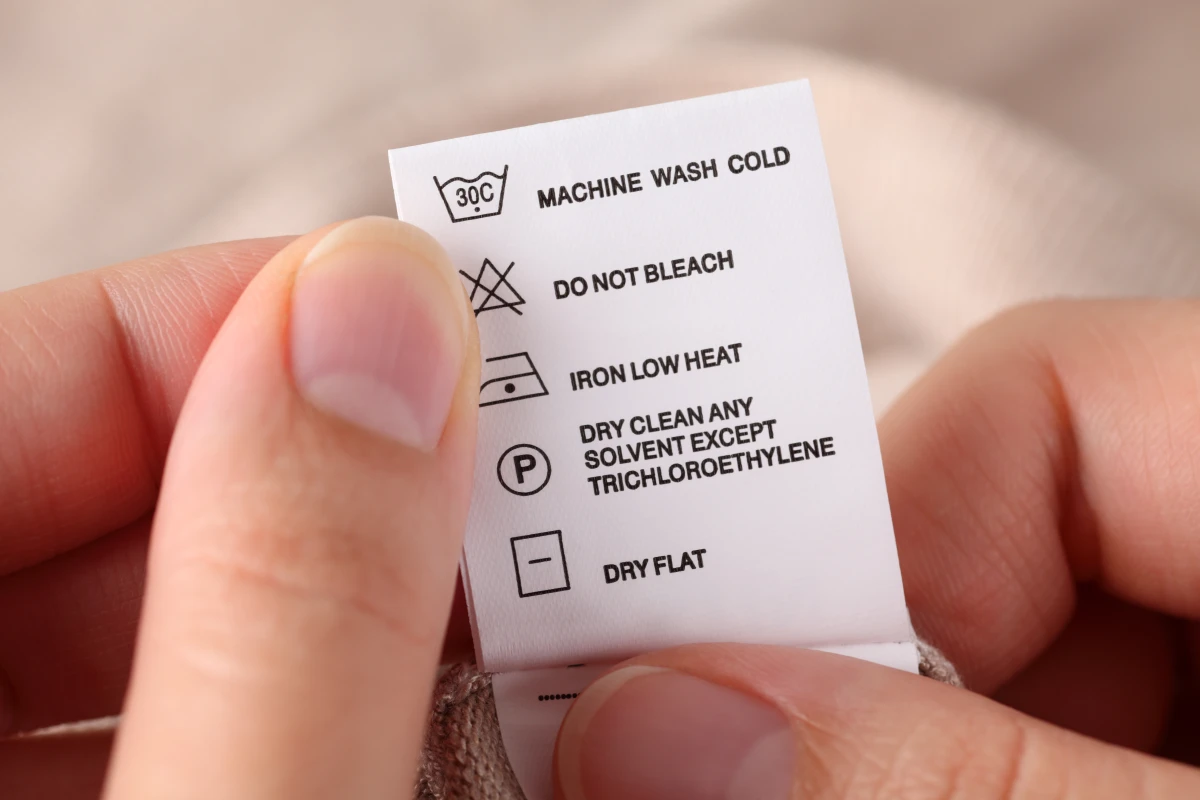
Fabric tells you a lot about durability, care needs, and end-of-life reality.
- Single-fiber fabrics are often easier to recycle than blends in today’s recycling systems. Still, it depends on the fiber type, dyes and finishes, trims, and what facilities exist where you live.
- “Recycled” needs a percentage: 5% recycled content is not the same as 95%.
- Watch the “green halo” fibers: bamboo viscose and some rayons can be marketed as natural, but the processing can be chemical-intensive unless it is a more controlled system (as with some lyocell processes).
Do not skip the small stuff, either. Trims and finishes (elastane, waterproof membranes, coatings, heavy prints, metal hardware) can affect durability, shedding, repairability, and whether something can realistically be recycled.
Also, remember the styling truth: the most sustainable garment is the one you will wear. If it pills after three wears, it is not sustainable for your closet.
Look for an impact report, not just a promise
Brands doing the work usually publish some form of annual sustainability report, impact update, or responsibility report. Greenwashing often sounds like this: “We aim to…” “We strive to…” “We are committed to…” with few measurable outcomes.
Better reporting includes:
- Baseline year (what they are measuring against)
- Specific metrics (energy use, emissions, water, waste)
- Progress over time (not just one-year snapshots)
- Clear limitations (what is not included yet)
Check repair, resale, and end-of-life
Take-back programs can be meaningful, but outcomes are often unclear. Ask:
- What happens to returned items, specifically?
- Is it reuse first, then recycling?
- Is there proof of outcomes (percent resold, donated, recycled)?
Common scenarios
Now, the real-life stuff you will see on product pages, in ads, and on hangtags, plus the question that cuts through the fog.
“We use recycled polyester, so it’s sustainable.”
What to ask: What percent is recycled? Is it post-consumer or pre-consumer? How does the brand address microfiber shedding and longevity?
“This collection is made from organic cotton.”
What to ask: Is it certified organic (like GOTS)? Is it 100% organic cotton or blended? What about dyeing and finishing?
“Carbon neutral shipping” becomes the headline
What to ask: What about manufacturing emissions, materials, and overproduction? Shipping is only one slice of the pie. Also ask what scopes are covered and how offsets, if used, are selected.
“Vegan leather” as a blanket virtue
What to ask: What is it actually made of? Many vegan leathers are plastic-based (PU or PVC). Better options exist, but the details matter: durability, repairability, and how it ages in real life.
A closet-first approach
If you are feeling overwhelmed, come back to the style basics that are quietly sustainable:
- Buy for cost per wear: Choose pieces you can style at least 30 ways, not items that only work for one occasion.
- Prioritize fit: A well-fitted blazer, trouser, or coat gets worn for years. Tailoring is sustainability.
- Choose care-friendly fabrics: If it requires special handling you will avoid, it will sit in your closet.
- Secondhand first for trends: If you are experimenting, thrift or resale saves money and reduces demand for new production.
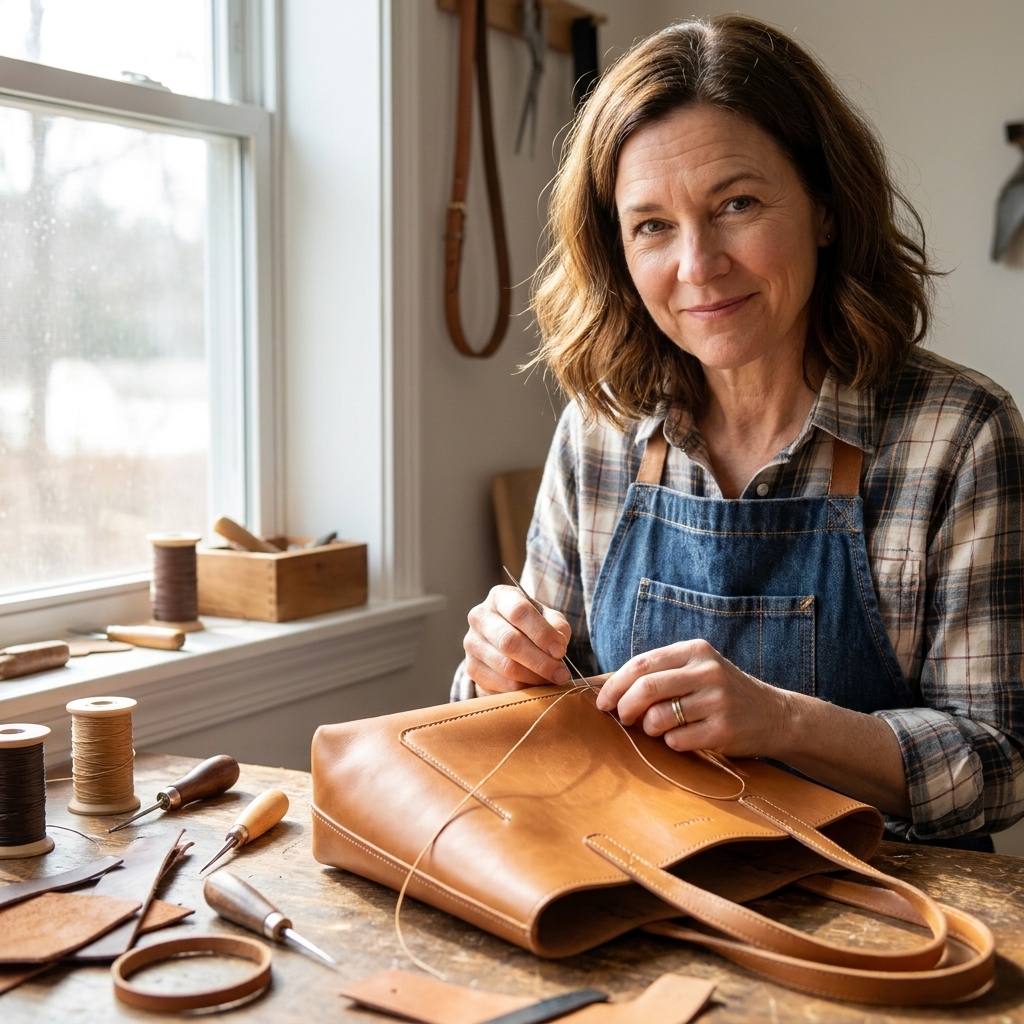
- Learn two repairs: Sew a button, fix a hem. Your wardrobe instantly gets more “circular.”
This is the part where my grandmother’s sewing machine nostalgia kicks in. Most “new” sustainability ideas are just old-school garment respect in modern language.
Mini FAQ
Is greenwashing illegal?
It can be, depending on the country and the specifics of the claim, but enforcement varies. Some regions also publish guidance on how environmental claims should be worded and substantiated. The practical takeaway is that you should not rely on vibes. Look for verifiable information.
Are certifications the only way to trust a brand?
No. Small brands may not afford every certification, but they can still provide strong transparency: fiber origins, mill and factory details, wages or labor standards, and clear product composition. Lack of any specifics is the bigger issue.
What is the single biggest red flag?
When a brand sells sustainability as a personality trait instead of giving you measurable information. If you cannot find materials, supplier details, or proof beyond a slogan, treat it as marketing.
How can I shop more sustainably without spending more?
Focus on what you already own, thrift selectively, buy fewer pieces with better fit, and learn basic repairs. The most budget-friendly sustainable habit is wearing what you have longer.
Final reminder
You do not have to be a perfect consumer to make better choices. Start with one habit: ask for specifics. The brands doing real work will have real answers, and your closet will feel more intentional because of it.
If you want a simple next step, pick one item you are considering and run it through the checklist above. If it passes, amazing. If it does not, you just saved money and future closet stress, which is honestly a very chic outcome.