If you have ever stared at a closet full of shoes and still felt like you had “nothing to wear,” I promise you are not alone. The fix is not more shoes. It is the right shoes, the kind that play nicely with the clothes you actually reach for and the life you actually live.
These are the 10 foundational pairs I recommend again and again as a personal stylist. Think of them as your footwear capsule : a small roster that covers errands, office days, dates, weddings, and weather, without forcing you into painful trends or pricey impulse buys.
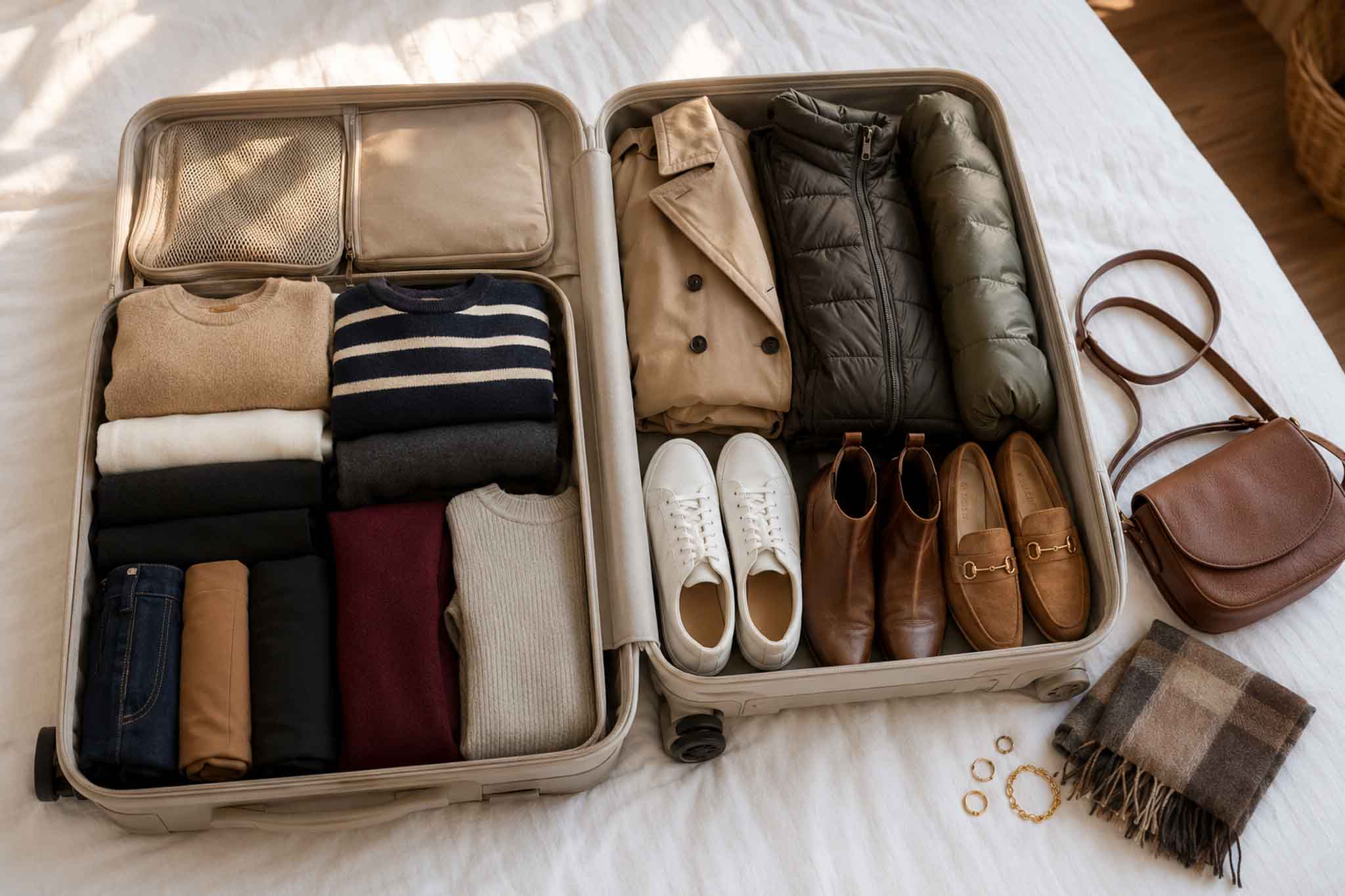
Starting from scratch? Begin with (1) classic white sneakers, (2) weather-ready boots, and (3) one dress-up option (a tolerable heel or a dressy flat). Then add the pairs that match your lifestyle most: work, walking, or winter.
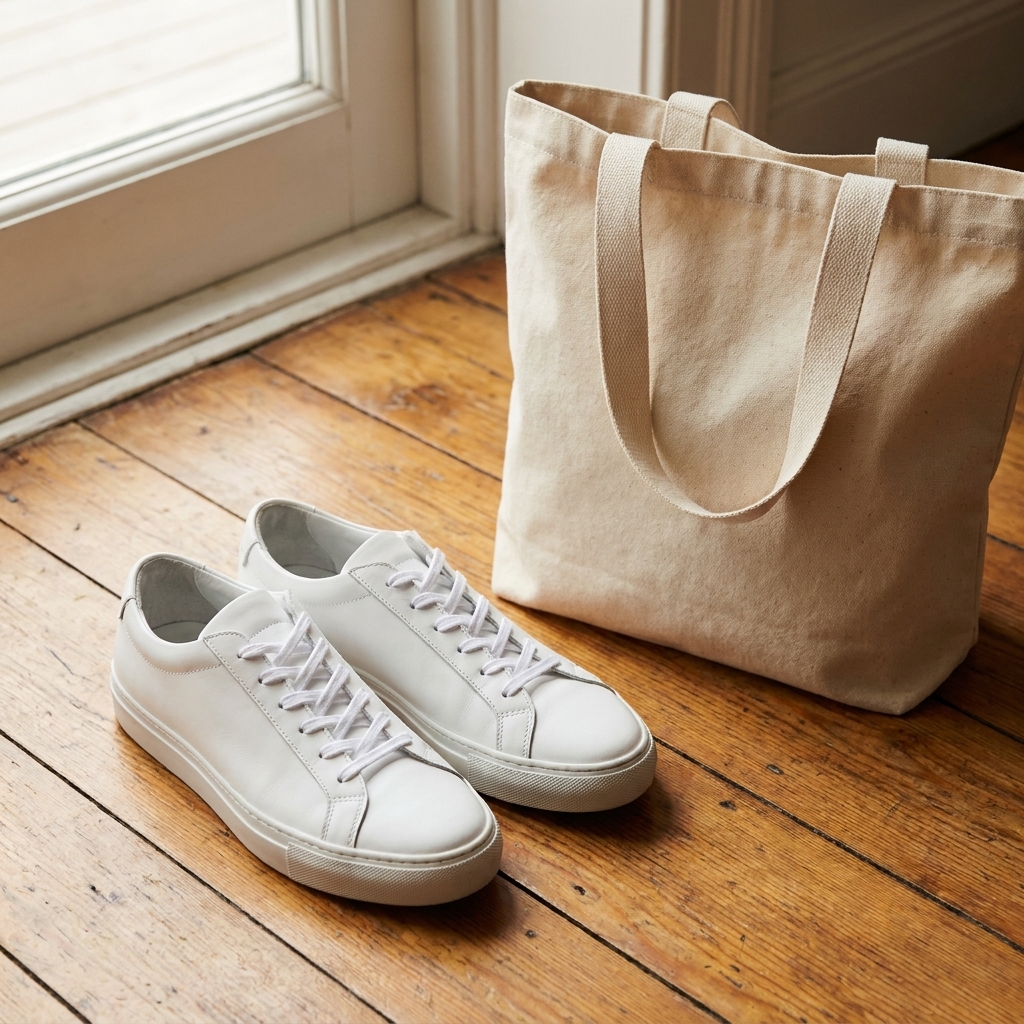
1) Classic white sneakers
White sneakers are the modern neutral. They make dresses feel effortless, elevate leggings, and keep tailored outfits from reading too formal. If you buy only one casual shoe, start here.
What to look for
- Material: Leather or faux leather is easiest to wipe clean. Canvas is cute, but it shows every scuff.
- Shape: A streamlined low-top works with more hemlines than a chunky sole, but pick the vibe you will actually wear.
- Comfort: A removable insole is a quiet luxury if you use orthotics.
Outfit formulas
- Straight-leg jeans + striped tee + trench
- Slip skirt + sweater + white sneakers
- Wide-leg trousers + fitted tank + blazer
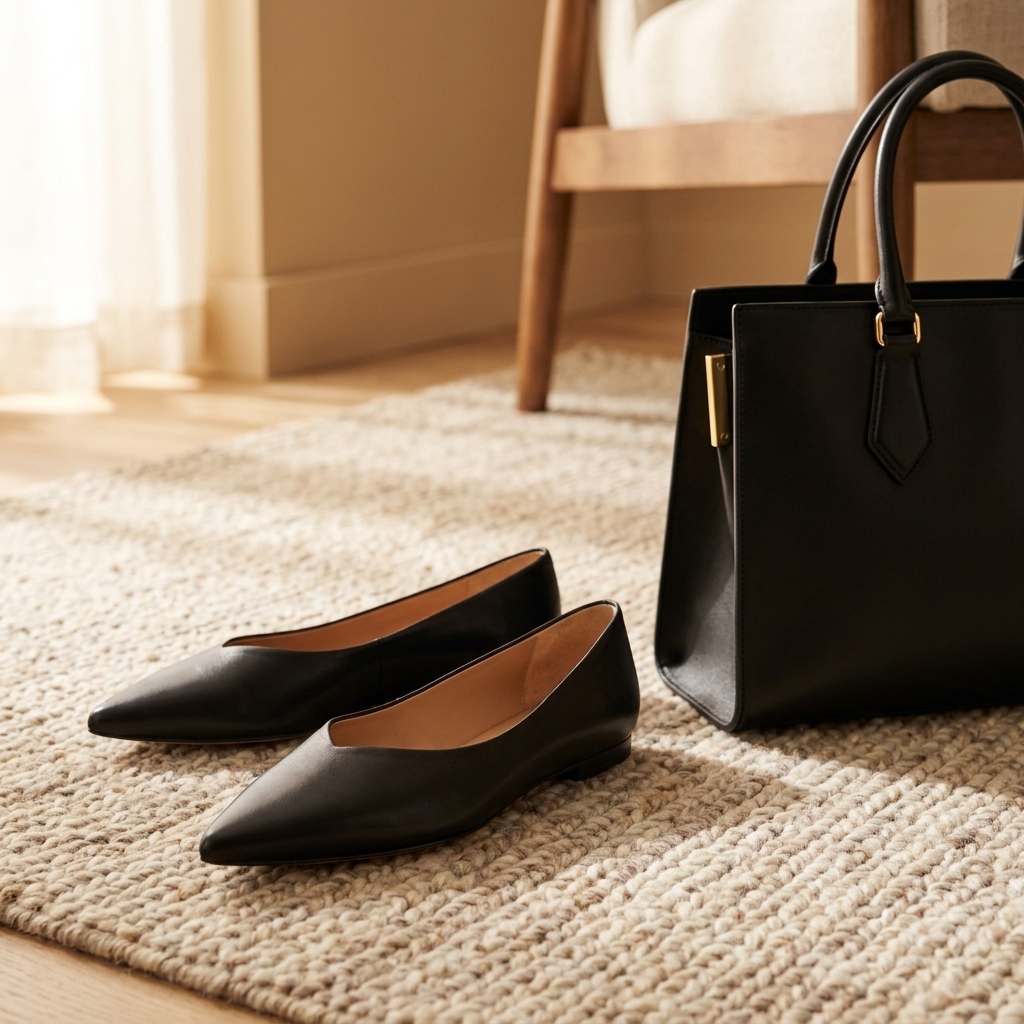
2) Minimal everyday flats
A good flat is your “I need to look pulled together, but my feet are not negotiating today” shoe. Whether you love a ballet flat, a pointed-toe flat, or a d’Orsay shape, keep it clean and simple so it goes with everything.
Fit note
Flats should hug the heel without rubbing. If you are between sizes, consider sizing up and adding a thin insole. For some people, flats that are too tight across the ball of the foot can contribute to discomfort over time, so prioritize a fit that lets your toes breathe.
3) Loafers you can walk in
Loafers are a little preppy, a little powerful, and endlessly practical. They bridge the gap between sneakers and heels, and they look especially good with cropped hems, denim, and tailoring.
What to look for
- Sole: A slightly thicker sole adds comfort and looks modern.
- Vamp: If you have a high instep, choose a loafer with a bit more give (soft leather or a gently cut vamp).
- Color: Black is sharp, brown is warm, and oxblood is a stylish “neutral with personality.”
Outfit formulas
- Ankle-length trousers + button-down + gold hoops
- Relaxed jeans + cardigan + loafers
- Midi skirt + tee + blazer
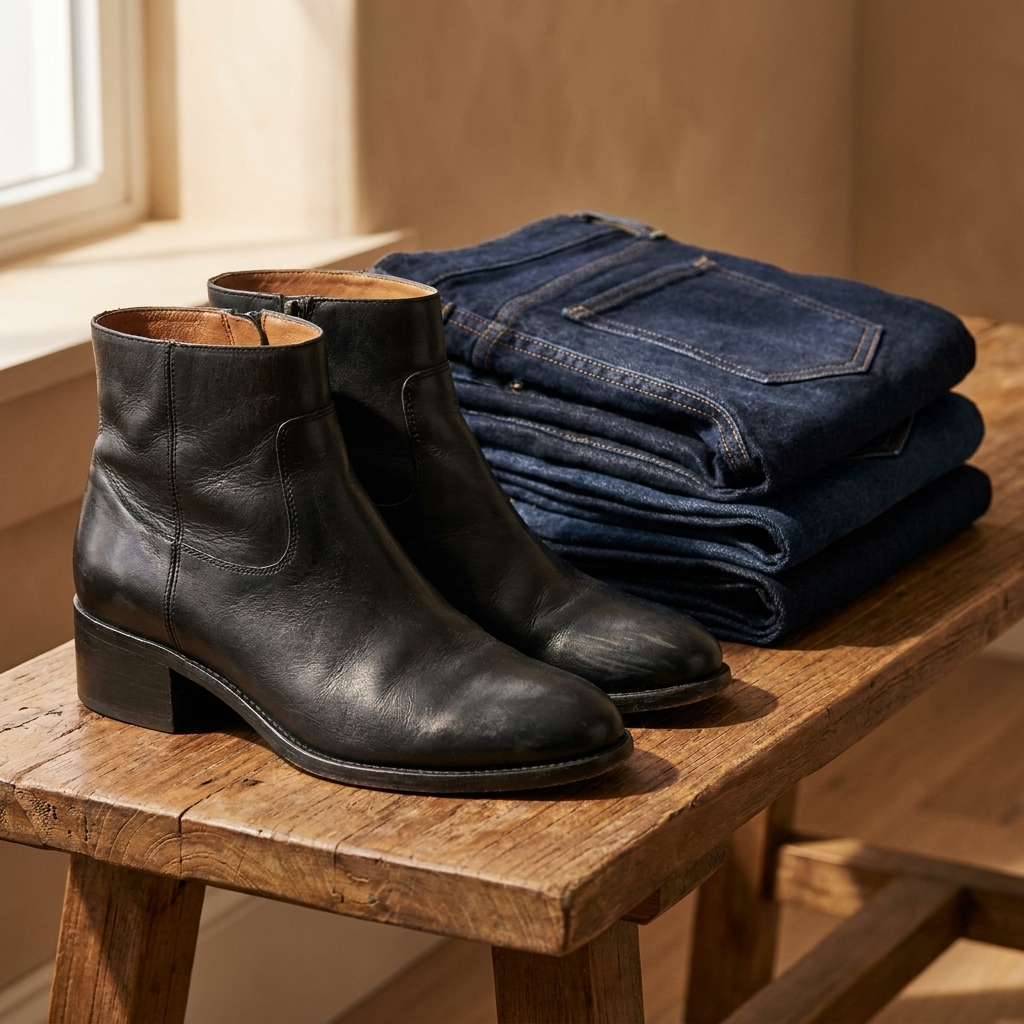
4) Simple ankle boots
If I could hand every woman a well-fitted blazer and a pair of sleek ankle boots, I would. Ankle boots do a lot of heavy lifting: they add structure to floaty dresses, polish to denim, and confidence to in-between seasons.
What to look for
- Toe shape: Almond toe is the most timeless and forgiving.
- Heel height: A 1 to 2.5 inch block heel is often a sweet spot for all-day comfort and a clean leg line.
- Shaft: A close-fitting shaft looks best with skirts and slim pants, but a roomier shaft works with thick socks.
5) Knee-high boots
Tall boots are the secret to making dresses and skirts feel wearable in colder months. They also add a confident, finished look to skinny jeans and leggings.
How to choose
- Calf fit: If your calves are fuller, look for wide-calf options or stretchy panels. There is nothing “wrong” with your legs. The boot just needs to be built for them.
- Heel: Flat or low-heeled boots are the most versatile.
- Material: Real leather molds over time, but a high-quality vegan leather can look beautiful and be easier to maintain.
Outfit formulas
- Sweater dress + tall boots + long coat
- Midi skirt + turtleneck + tall boots
- Leggings + oversized knit + tall boots
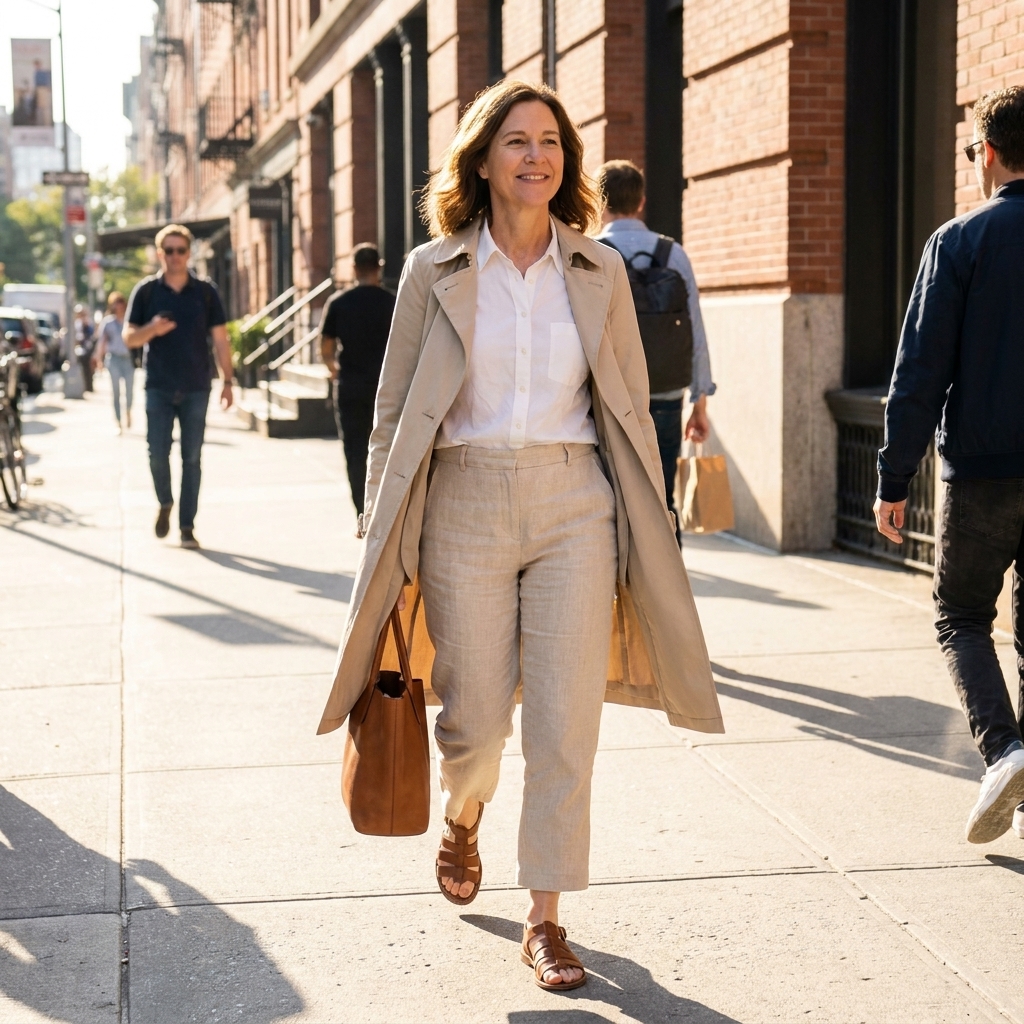
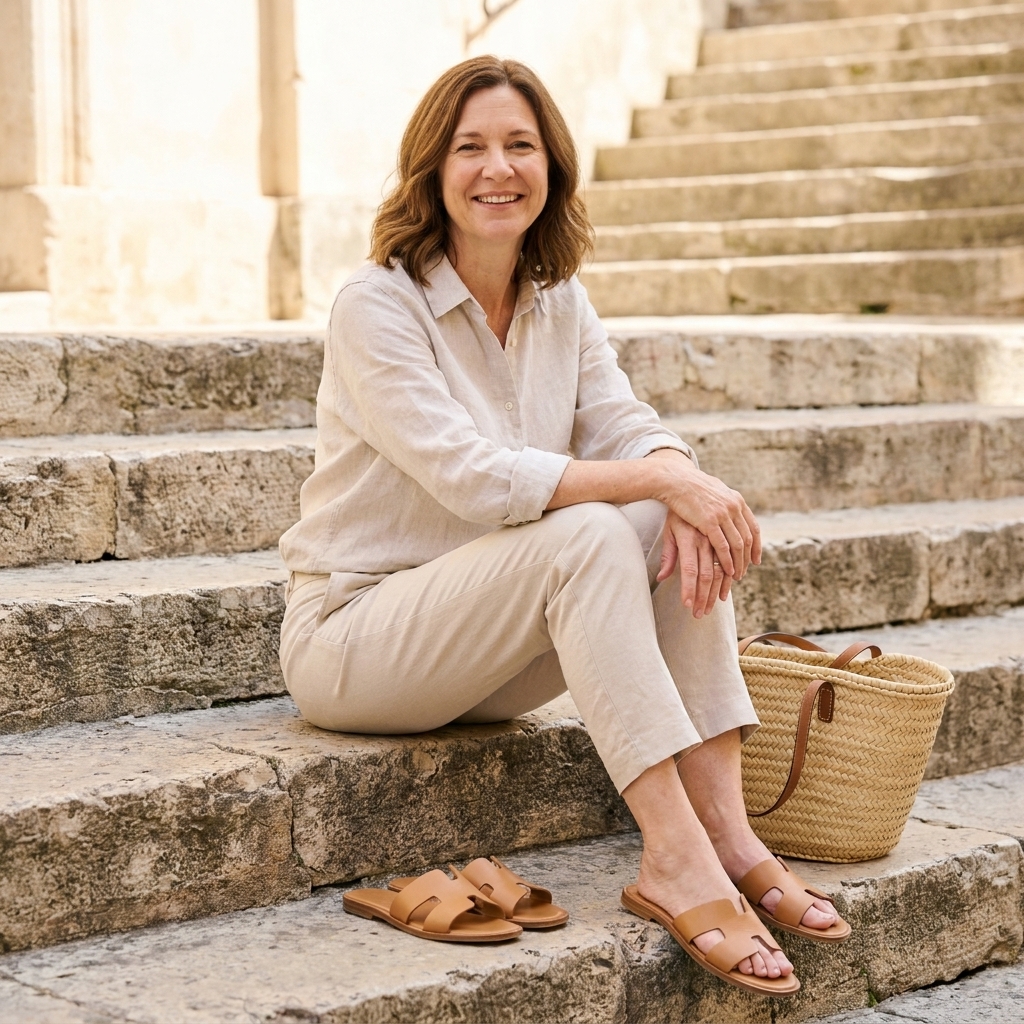
6) Comfortable sandals
Not every sandal needs to be a “fashion sandal.” The essential pair is the one you can wear for actual life: walking, traveling, standing at a summer party, or chasing kids through a park.
What to look for
- Support: A contoured footbed and secure straps make all the difference.
- Color: Tan, black, or metallic will match the most outfits.
- Toe style: A minimal two-strap sandal is classic, while a fisherman sandal gives a more covered, modern look.
7) Dressy heels you can tolerate
Heels do not have to mean suffering. The essential dress heel is the one that works for weddings, presentations, and dinners, and that you can still smile in after two hours.
Wearable heel shapes
- Block heel: Stable and supportive.
- Kitten heel: Chic, a little retro, and often easier to wear than you would expect.
- Platform: If you like height, a platform reduces the angle of the foot.
Stylist tip
When in doubt, choose a closed-toe pump or a sleek slingback. They read polished with trousers, denim, and dresses, which means you will actually get your cost per wear. If your workplace requires closed-toe shoes, this is the category to prioritize.
8) “Nude” shoes for you
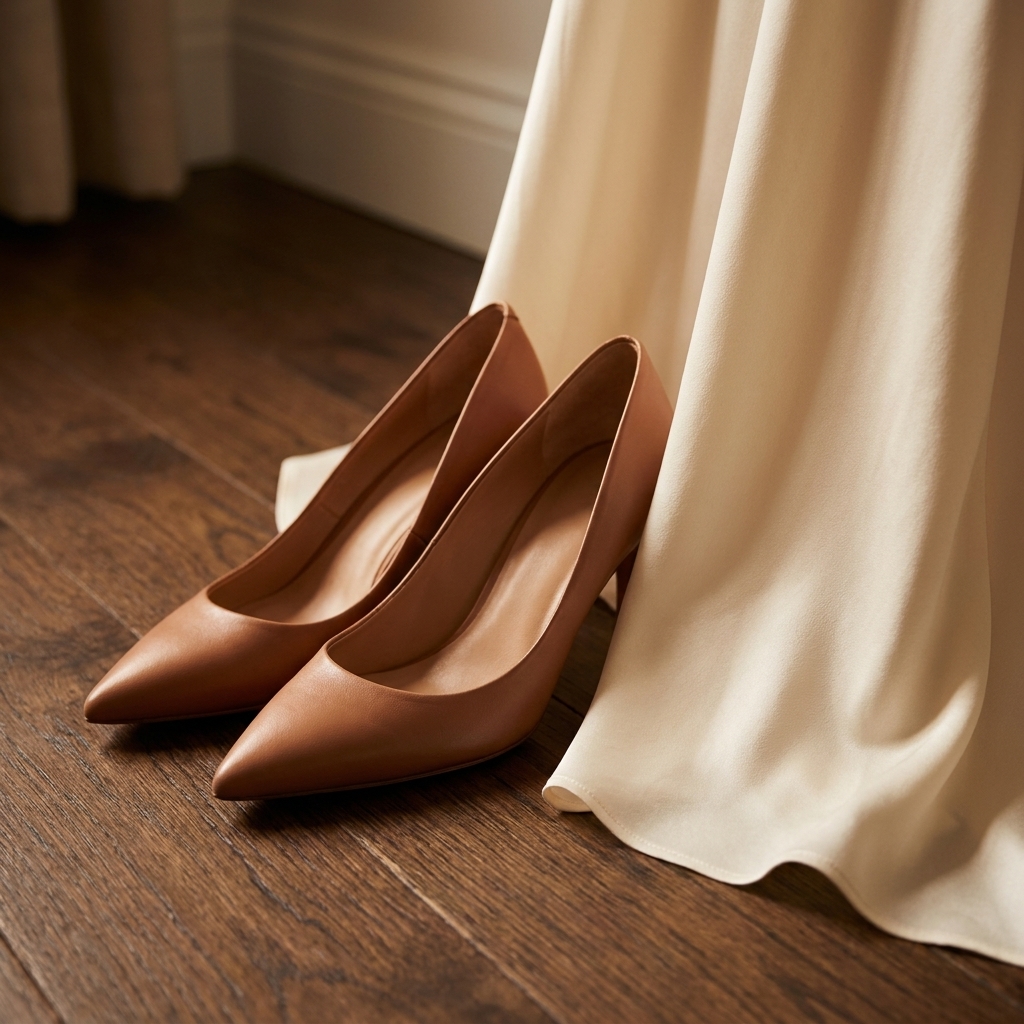
Let’s retire the idea that nude is one color. A shoe that blends with your skin tone (or tights) creates a long leg line and pairs beautifully with bold outfits because it does not compete.
How to find your best nude
- If you have warm undertones, look for caramel, honey, or warm beige.
- If you have cool undertones, look for taupe, rosy beige, or cocoa.
- If you have deep skin, gorgeous nudes include espresso, chestnut, and rich bronze.
9) Weather-ready boots
A truly essential closet includes one pair that can handle the unglamorous stuff: slush, rain, salt, and surprise puddles. This is not the pair you baby. This is the pair that protects your feet and saves your nice shoes .
What to look for
- Water resistance: Seam-sealed or waterproof materials if you live somewhere wet.
- Tread: Real traction, not a decorative sole.
- Room for socks: Cold weather is no time for cramped toes.
If you need a sleek option, a Chelsea-style rain boot can look surprisingly polished with straight-leg jeans and a long coat. If you live in a truly cold climate, consider a second pair that is insulated and temperature-rated for snow and ice.
10) A special-occasion shoe
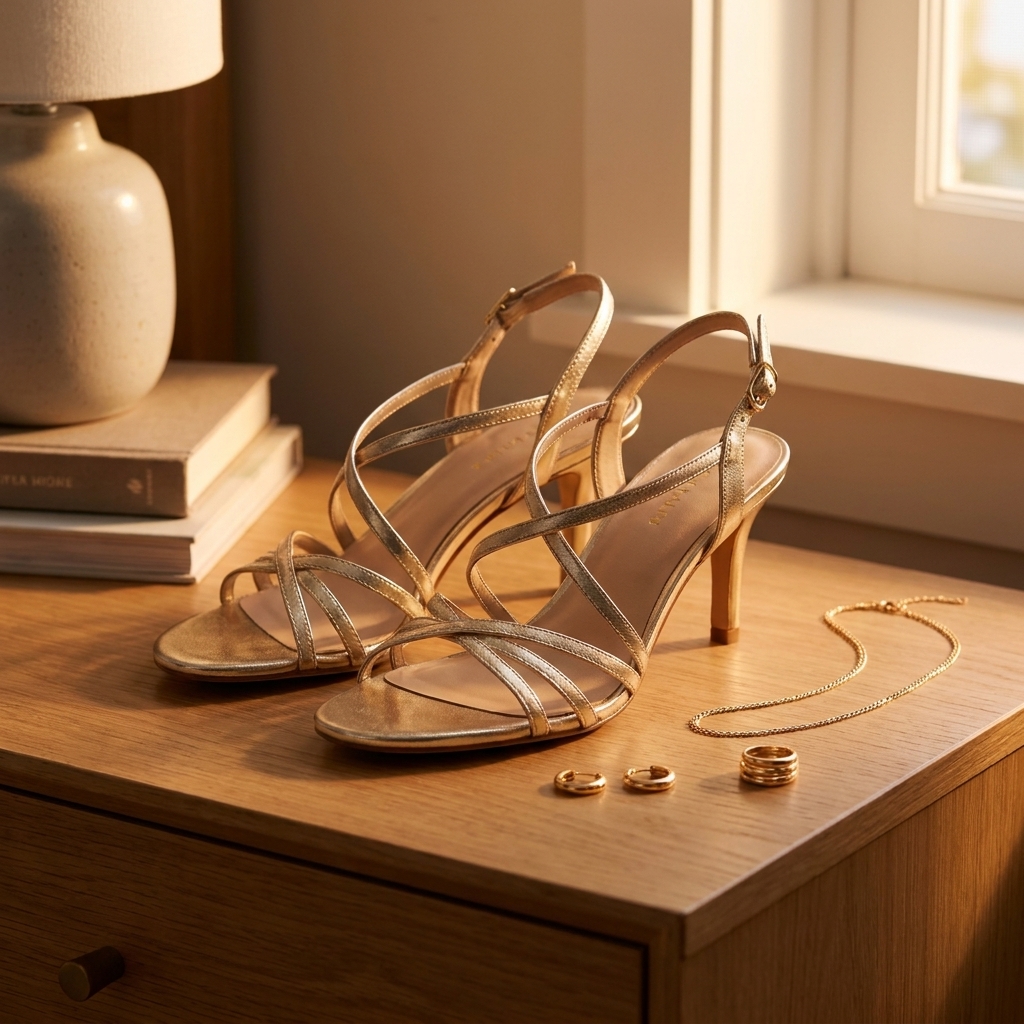
Capsule does not mean boring. One “just because” pair keeps your wardrobe from feeling like a uniform. Maybe it is a metallic heel, a red flat, a velvet mule, or a strappy sandal you save for nights out. The only rule is that it should make you feel like yourself.
How to choose
- Choose a color you already wear in your outfits, just louder.
- Prioritize comfort if you want to actually use it.
- Let the shoe do the talking and keep the rest of the outfit simple.
How to prioritize
If you are trying to do more with less, let your calendar decide. The goal is not to own all 10 instantly. It is to stop buying “random” and start buying “strategic.”
- Very casual lifestyle: Swap loafers or heels for a refined “dress sneaker” or a polished sandal, depending on your climate.
- Office-heavy weeks: Make sure you have one closed-toe option (loafers, flats, or pumps) that works with tailoring.
- If you only buy two boot colors: Choose black plus a warm neutral (brown, tan, or taupe) to cover most outfits.
Build your shoe closet on a budget
I grew up altering thrift-store finds, so I will always be a fan of mixing investment pieces with secondhand wins. Shoes can absolutely be thrifted, but you need a little strategy.
- Invest in: Boots and everyday walking shoes. Your feet deserve support, and quality shows most here.
- Save on: Special-occasion shoes you wear a few times a year.
- Try secondhand for: Loafers, leather boots, and classic pumps. Look for minimal wear on the heel and even tread.
- Budget for a cobbler: A tune-up often lands around $20 to $60, but it varies by city and repair needs. Even a small fix can make a secondhand pair feel custom.
Fit and care
The most stylish shoe is the one you can wear comfortably. If you remember nothing else, remember this: the right size is a kindness to your whole body.
Quick fit checklist
- Your heel should not pop out when you walk.
- Your toes should have a little breathing room, especially in boots.
- No pinching across the ball of the foot.
- Walk on hard ground before committing. Carpet lies.
Care basics
- Rotate shoes so they can dry out between wears.
- Use shoe trees for leather loafers and boots to reduce creasing.
- Protect suede with a spray before the first wear.
- Replace heel tips early. It is cheaper than repairing the whole heel.
FAQ
How many pairs of shoes do I really need?
For most people, 8 to 12 solid pairs cover real life. If you have these 10 categories represented, you can usually stop impulse shopping because every outfit already has a “home base” shoe.
What if I never wear heels?
Swap the dress heel for a dressy flat or a low-heeled mule. The goal is a shoe that feels elevated for events, not a shoe that makes you miserable.
What colors should my essential shoes be?
Start with the colors you wear most: typically black, white, and a warm neutral (tan, brown, or taupe). Then make your “special-occasion shoe” your fun pair, the one that makes you excited to get dressed.