Sustainable fashion can feel like a club with a steep cover charge. I get it. You want pieces that last, feel good on your body, and align with your values, but you also have rent, groceries, and a life that is not sponsored by a designer handbag.
The good news is you often do not have to choose between ethical-ish and actually cute. Below are seven brands that are either (a) more sustainability-minded than typical fast fashion, or (b) better-basics alternatives that can help you buy less over time. Think: fewer, more wearable pieces on a real-world budget.
Quick price reality check: “Affordable-ish” here generally means tees and tanks often under $40 on sale, everyday tops in the $35 to $80 range, and sweaters commonly under $120 (again, especially during promos).
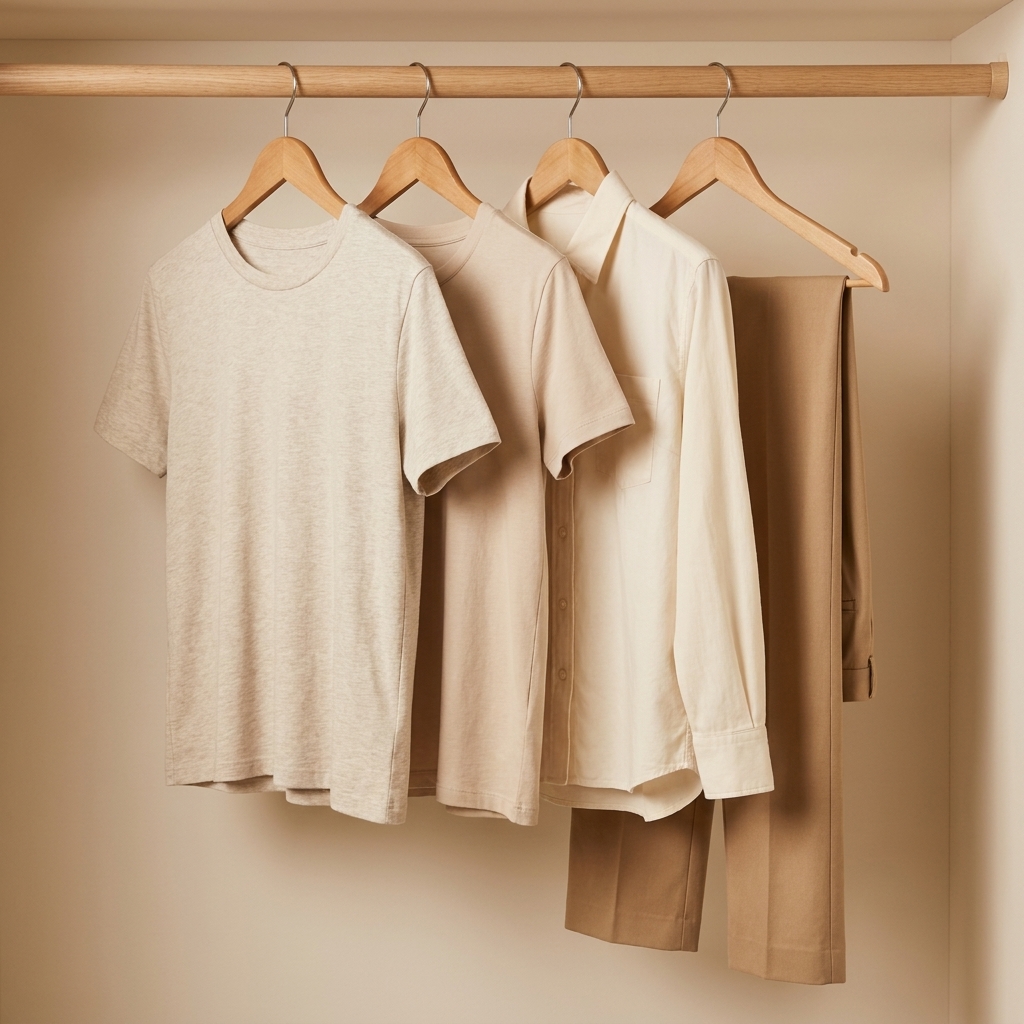
Clara tip: The most sustainable item is the one you will wear 30 times. Before you buy anything new, ask: Can I style this at least three ways with what I already own?
What affordable and sustainable can mean
Not every brand on this list will check every box for every shopper, and that is okay. Sustainable fashion is a spectrum. The brands below tend to do some combination of the following better than typical fast fashion:
- Lower-impact materials like organic cotton, recycled fibers, TENCEL Lyocell, or linen
- More transparent supply chains (for example, publishing factory lists or sourcing details)
- Fairer labor commitments (codes of conduct, third-party programs, or public reporting)
- Quality that holds up so you buy less over time
Also, a stylist reminder: you can make a $25 tee look expensive if the fit is right. If you have the budget for exactly one thing, put it into tailoring. Hemming often runs about $10 to $25, and simple waist tweaks can be $20 to $60 depending on your area. It is not glamorous, but it is transformative.
And because it bears repeating: the most affordable sustainable move is usually not buying new. Shop your closet first, then consider secondhand, then buy new only when you need a true gap filled.
Labels that help
If you want quick proof points while shopping, look for these. None are perfect, but they are useful signals.
- GOTS: organic fiber plus stricter rules around processing and some social criteria
- Fair Trade Certified: standards that focus on worker protections and community premiums
- OEKO-TEX Standard 100: tests for harmful substances (it does not automatically mean ethical labor)
- bluesign: focuses on safer chemical and resource use in textile production
One more nuance: materials are not automatically “good” just because they sound good. Impacts vary a lot based on farming practices, dyeing and finishing, blends, and whether the garment can be repaired or recycled at the end of its life.
1) Pact
Best for: soft basics, underwear, simple dresses, loungewear you can actually leave the house in
Pact is one of my go-tos for cotton basics that do not feel flimsy. The styling is minimal, which means the pieces play nicely with what you already have. If you are building a capsule wardrobe, their tees and tanks are easy repeats.
- Why it works on a budget: frequent promotions and multi-pack options
- Credibility check: many items use GOTS-certified organic cotton, but not every single SKU. Always double-check the product page for the specific item.
- Style note: size up if you prefer a drapier fit, especially in tees
- My wear-it-3-ways pick: a fitted rib tank under a blazer, with wide-leg trousers, or with a slip skirt

2) Kotn
Best for: elevated cotton essentials, crisp shirting, knitwear that looks quietly expensive
Kotn nails that clean, “I have my life together” silhouette without being fussy. Their pieces tend to be simple but thoughtfully cut, which is exactly where long-wear wardrobes shine. When you buy fewer items, you want them to look intentional.
- Why it works on a budget: strong cost-per-wear potential and solid end-of-season sales
- Credibility check: Kotn shares concrete sourcing details and impact reporting on its site, including where its cotton comes from and information about its manufacturing partners. Check their most current reporting for specifics and updates.
- Style note: lean into tonal outfits for maximum polish
- My wear-it-3-ways pick: a white poplin shirt with jeans, over a dress, or half-tucked into a satin skirt

3) Everlane
Best for: modern work basics, denim, outerwear staples
Everlane is often a bridge brand for people transitioning away from fast fashion. The design is streamlined, the palette is wearable, and the sizing is generally consistent. If your closet needs anchors like a good straight jean or a clean trench, this is a practical place to look.
- Why it works on a budget: frequent markdowns and predictable restocks
- Credibility check: Everlane has published factory information and material details for many items, but it has also faced public criticism over the years related to transparency and labor practices. I keep it on the list for classic, rewearable staples, but I recommend doing a quick read of their current responsibility reporting and voting with your comfort level.
- Style note: watch inseams and rise measurements to avoid the dreaded almost-right fit
- My wear-it-3-ways pick: a straight-leg jean with sneakers, boots, or a kitten heel depending on your day

4) Girlfriend Collective
Best for: activewear, bike shorts, supportive bras, lounge sets that feel intentional
I love Girlfriend Collective for pieces that can do double duty. If you are the kind of person who goes from Pilates to errands to the couch, you want activewear that looks like an outfit, not an afterthought. Their sets are especially good for mixing and matching.
- Why it works on a budget: sets save money, and core colors restock consistently
- Credibility check: many core styles use recycled materials (often recycled PET bottles), and the brand shares information about its manufacturing partners and locations. Confirm per product, since fabrics and certifications vary by line.
- Style note: pair a matching set with an oversized button-up or denim jacket to street it up
- My wear-it-3-ways pick: high-rise leggings with a sweatshirt, a blazer and sneakers, or a long coat and chunky scarf

5) tentree
Best for: casual staples, cozy layers, outdoorsy basics that still look city-friendly
tentree has that easy, weekend vibe: hoodies, tees, sweaters, and casual dresses that feel uncomplicated. If your style is more capsule but make it cozy, you will find plenty of mixable pieces here.
- Why it works on a budget: approachable price point for sweaters and everyday tops
- Credibility check: tentree uses a mix of preferred fibers (often organic cotton and recycled polyester) and publishes impact initiatives. Check the fiber content item by item.
- Style note: balance proportions, like a boxy sweatshirt with a slimmer pant or a midi skirt
- Shed less tip: if microfiber shedding is a concern, limit fleece-heavy synthetics when you can and use a wash bag or laundry filter to reduce shed.
- My wear-it-3-ways pick: a textured cardigan layered over a tee, a slip dress, or a button-up
6) Quince
Best for: fabric-forward basics, washable silk, cashmere, linen and knit staples
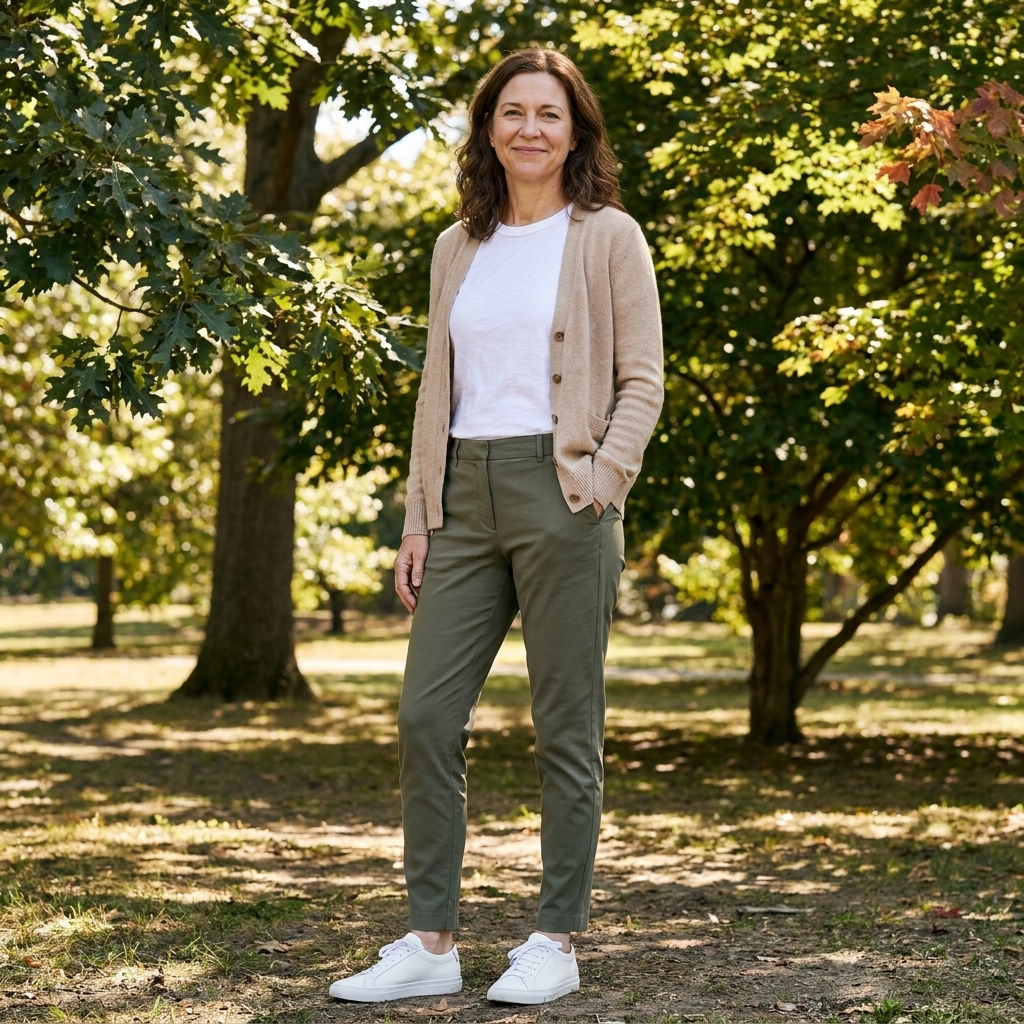
Quince is here as a better-basics value option, not as the most verified sustainability leader. If you like the idea of investment-leaning fabrics but you are not trying to spend investment money, it can be a smart way to buy one great silk blouse or a simple sweater you will actually reach for.
- Why it works on a budget: fabric-forward pieces at lower prices than many competitors
- Credibility check: sustainability and labor assurances can be harder to independently confirm at a glance, so I treat Quince as a “buy less, wear more” option. Look for product-level certifications (like OEKO-TEX) when available, and prioritize natural fibers you will care for and keep.
- Style note: treat nice fabric like your shortcut to looking put-together, even with simple styling
- My wear-it-3-ways pick: a silk slip skirt with a tee, a chunky sweater, or a fitted turtleneck
7) Uniqlo
Best for: budget-friendly wardrobe building, layering pieces, HeatTech and AIRism essentials
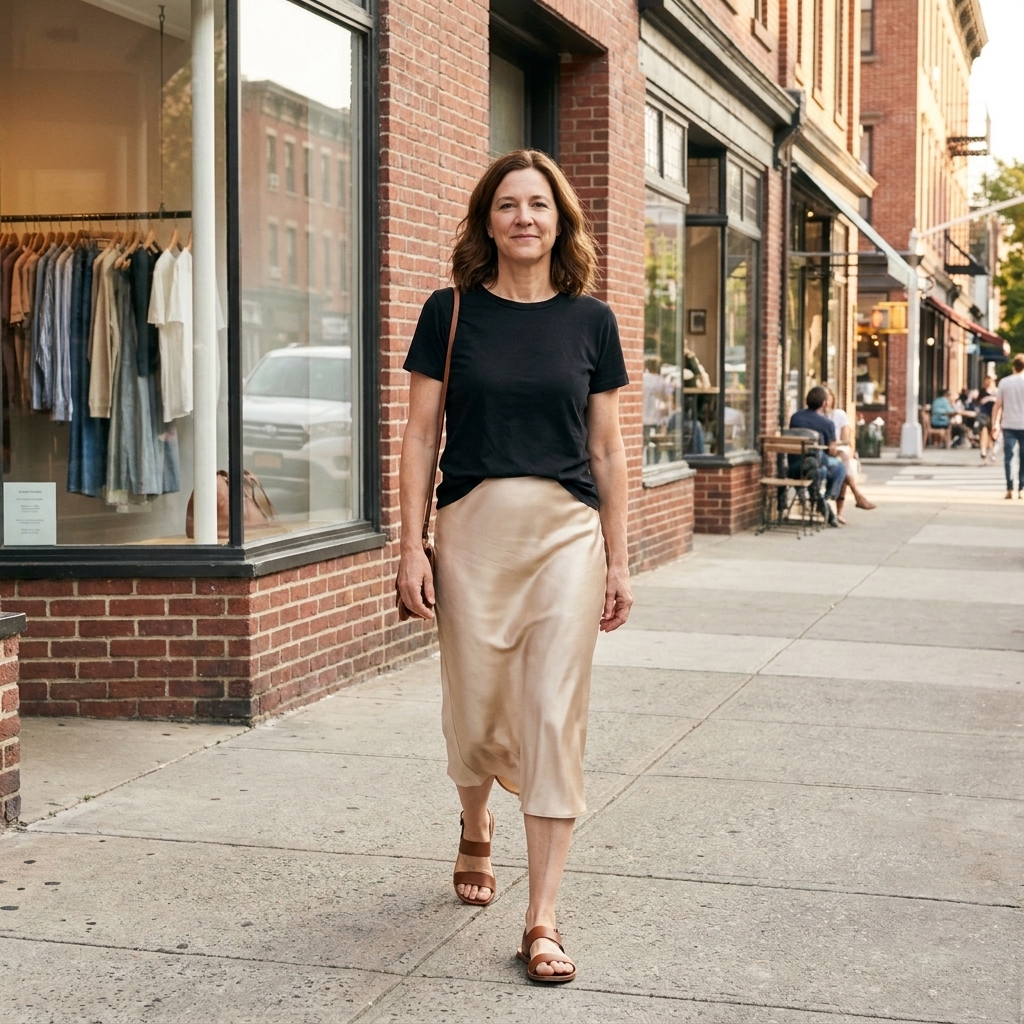
Uniqlo is definitively fast fashion in terms of scale and business model, so I am not going to pretend it is a small sustainable darling. It is on this list because for many people it can be a realistic step up from ultra-fast fashion: the silhouettes are classic, the basics are consistent, and many items often hold up well for the price if you care for them properly.
- Why it works on a budget: consistently low prices and reliable staples for everyday dressing
- Credibility check: treat this as a transition brand. Buy fewer pieces, choose timeless styles, and commit to keeping them in rotation for years (and repairing them when needed).
- Style note: focus on classics, like a fine-gauge sweater, a crisp shirt, or a simple coat
- My wear-it-3-ways pick: a merino sweater layered over a button-up, worn alone with trousers, or tossed over a slip dress

Shop like a stylist
Prioritize fit
If you buy one pair of pants that fits like a dream, you will wear it constantly. If you buy three pretty good pairs, they will all sit there while you reach for the same leggings.
Build a repeatable palette
Choose 2 to 3 neutrals you love on you (mine are cream, charcoal, and navy) plus 1 to 2 accent colors. Suddenly, everything mixes without you having to figure it out every morning.
Try the 30-wear rule
Before checkout, picture a normal week. Can you genuinely see yourself wearing the item at least 30 times? This is not a universal standard, just a helpful gut-check. If the answer is no, it is probably not the better choice, even if the fabric is organic.
Make it last
Longevity is the quiet hero of sustainable style. A few high-impact habits:
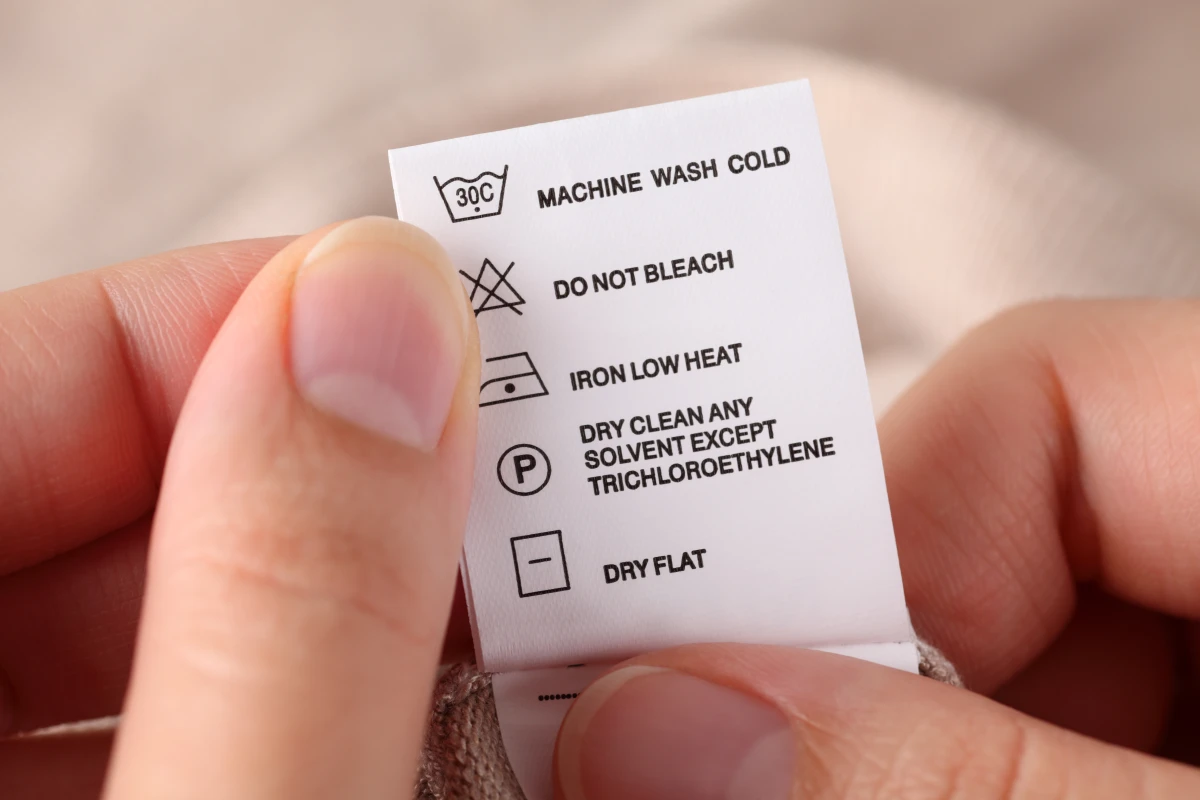
- Wash cold and less often (spot clean when you can)
- Air dry to reduce energy use and extend fabric life
- Depill knits with a sweater comb or fabric shaver so they look new again
- Fix the little stuff fast, like buttons, tiny seam splits, and loose hems
- Reduce return churn by bundling orders, checking size charts, and avoiding bracketing when possible
Clara tip: If you love a piece, buy the tools to keep it alive. A $10 fabric shaver can save a $100 sweater.
FAQ
Is sustainable fashion always more expensive?
Often, yes upfront. But it can be cheaper over time when you buy fewer pieces that last longer. The trick is choosing items you will wear constantly and caring for them well.
What is the most affordable way to shop sustainably?
Secondhand is still the gold standard for budget sustainability. If you are buying new, shop sales, choose versatile basics, and avoid trend-only purchases you will get tired of quickly.
What materials should I look for?
Organic cotton, linen, hemp, recycled fibers, and TENCEL Lyocell are common starting points, but impacts vary widely based on how they are produced and finished. More important than any single material is durability, repairability, and how you will actually use the item in your wardrobe.
Do these brands have inclusive sizing?
Size ranges vary a lot by brand and by category. If sizing inclusivity is a priority, check each brand’s current size chart and reviews for the specific item (especially denim and bras), and consider tailoring when the shoulders and waist are close but not perfect.
If you are building a tighter, more wearable wardrobe, pick one goal for the next 30 days: replace your most-worn basic, stop buying “almost right” pants, or commit to a repeatable work outfit formula. Drop a comment below with your budget range, dress code, and the one piece you are trying to replace, and I will suggest the best match from the list plus a few outfit formulas to make it earn its keep.