Activewear is one of the trickiest categories to shop sustainably because it lives at the crossroads of performance and plastic. We want leggings that squat-proof, bras that support, and tops that do not hold onto sweat for dear life. But most “moisture-wicking” fabrics are synthetic, and synthetics come with baggage.
The good news: you can absolutely build a workout wardrobe that performs and aligns with your values. The secret is learning what actually matters, so you are not paying extra for a green hangtag and a vague promise.
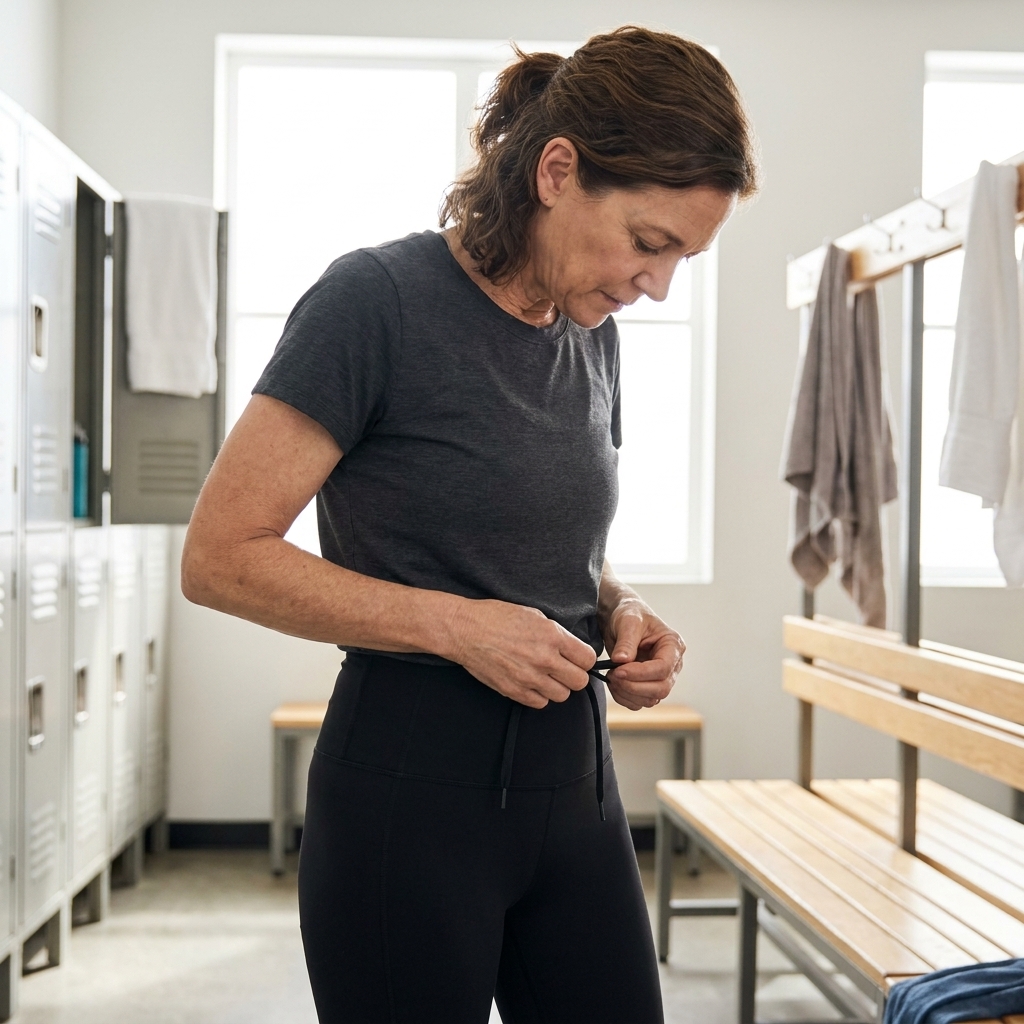
What “sustainable” should mean in activewear
Sustainable is not one magic fabric or a single perfect brand. In practice, it is a combination of:
- Lower-impact materials: recycled inputs, responsibly sourced natural fibers, and safer dye processes.
- Ethical production: fair wages, safe working conditions, and transparency you can verify.
- Durability: pieces that hold their shape, do not pill instantly, and survive a real-life laundry routine.
- Circularity: repair options, resale, take-back programs, and packaging that is not a landfill speedrun.
If you only remember one thing, make it this: the most sustainable activewear is the set you wear constantly for years. Fit and function are part of sustainability.
The best eco-friendlier materials for workout clothes
Let’s decode the fabric content label, because that is where the truth lives.
Recycled polyester (rPET)
Often made from recycled plastic bottles or post-industrial waste. It is still polyester, but it reduces reliance on virgin fossil fuels and can have a lower footprint depending on the mill and energy source.
- Best for: leggings, bike shorts, tanks, lightweight layers
- Look for: “recycled polyester” plus a certification like GRS
- Reality check: it can still shed microfibers, so laundering habits matter
Recycled nylon (often branded as ECONYL)
Recycled nylon tends to feel a little more luxe and compressive than recycled polyester, and it is a workhorse for high-performance pieces.
- Best for: compressive leggings, sports bras, swim-to-studio crossover pieces
- Look for: ECONYL or “recycled polyamide” with verified sourcing
- Reality check: also sheds microfibers, and blends affect recyclability
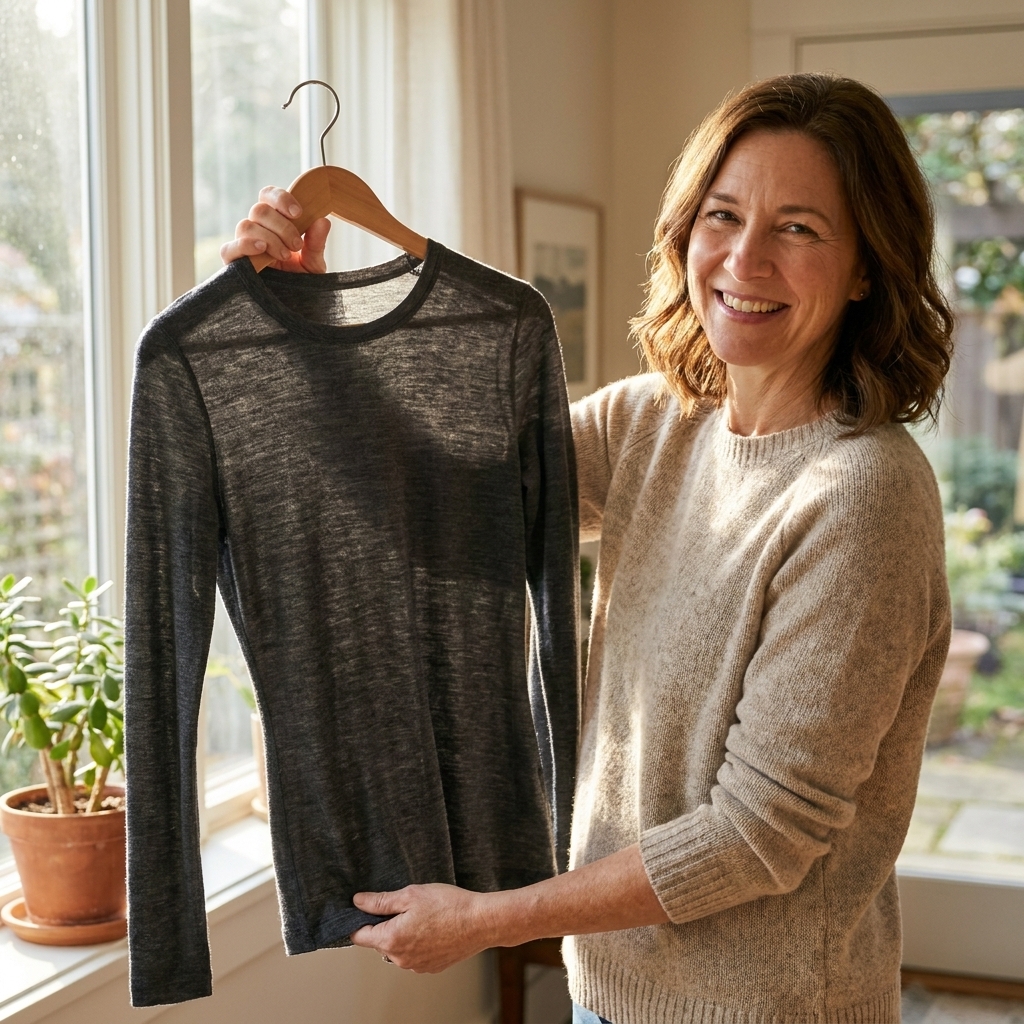
Responsible merino wool
Merino is naturally odor resistant and temperature regulating, which means fewer washes and more wears. For low-impact movement or layering, it is a dream.
- Best for: base layers, tees, socks, light training, hiking
- Look for: RWS (Responsible Wool Standard) or brand-level traceability
- Reality check: it is not for everyone’s sensory preferences, so try before committing
TENCEL Lyocell and modal (from responsibly managed wood pulp)
These fibers can be a great alternative for softer training tops and lounge-to-gym pieces. Lyocell is typically produced in a closed-loop system that recycles water and solvents.
- Best for: breathable tops, wraps, softer leggings when blended
- Look for: “TENCEL” branded lyocell/modal for stronger supply-chain control
- Reality check: pure lyocell can feel less compressive and more delicate than synthetics
Organic cotton (with caveats)
Organic cotton can be a good choice for tees, sweats, and lighter movement, especially if you want fewer synthetics against your skin.
- Best for: tees, sweatshirts, joggers, Pilates, walking
- Look for: GOTS certification
- Reality check: cotton stays wet, so it is not ideal for very sweaty workouts unless blended
The blends that deserve a closer look
Most performance pieces are blends. Here is how to read them like a stylist who has also rage-pilled a pair of leggings.
- Recycled polyester + elastane: common and functional. Elastane (spandex) adds stretch and recovery, but it can make end-of-life recycling harder. The trade-off can be worth it if the piece lasts.
- Nylon + elastane: often the most compressive and durable feel. Prioritize recycled nylon when you can.
- Natural + synthetic blends: can improve comfort and performance, but usually reduce recyclability. Shop these only when they truly earn their place in your rotation.
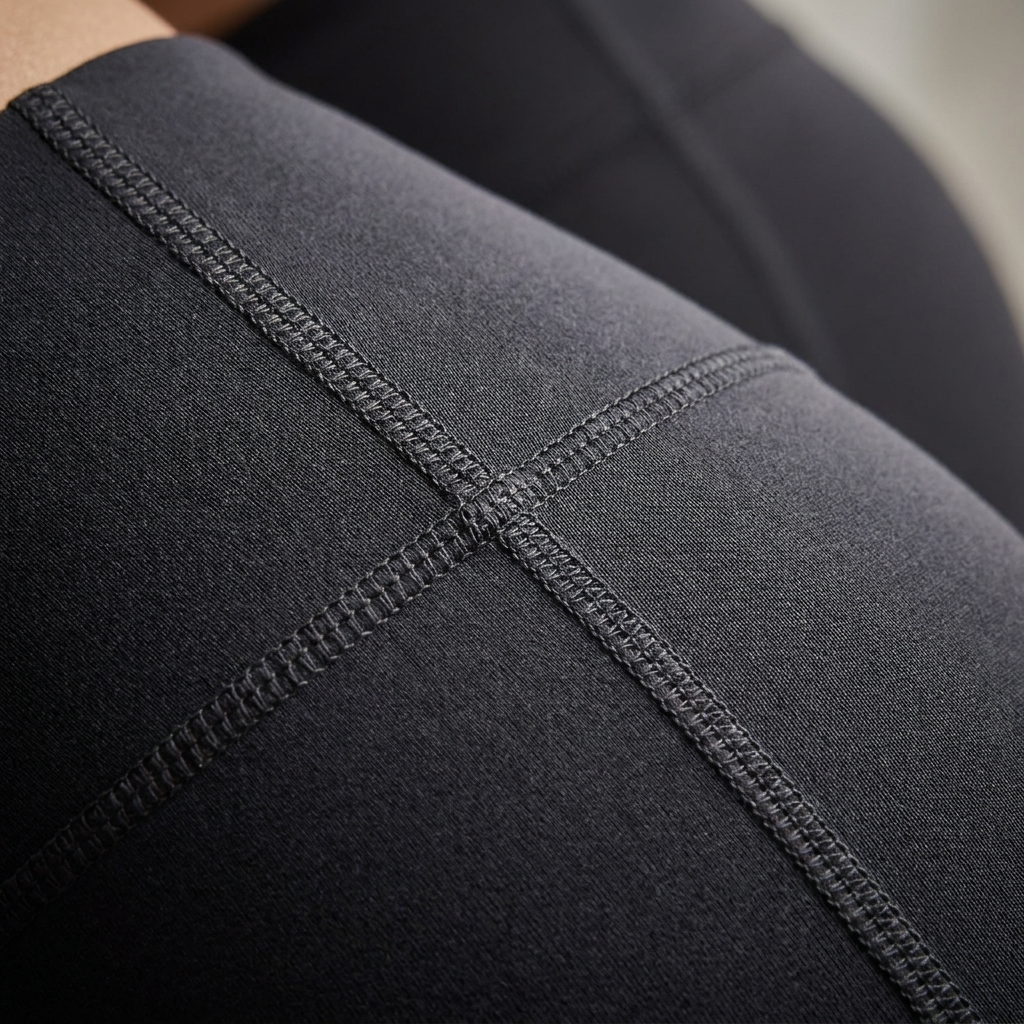
My rule: if a brand uses elastane, I want them to “pay me back” with excellent construction and a longer lifespan. A flimsy seam on a stretchy fabric is heartbreak waiting to happen.
Certifications and claims that actually mean something
Certifications are not perfect, but they help separate a measurable standard from a marketing poem.
- GRS (Global Recycled Standard): verifies recycled content and tracks it through the supply chain.
- RCS (Recycled Claim Standard): recycled content verification, generally a bit narrower than GRS.
- GOTS (Global Organic Textile Standard): strong benchmark for organic fibers and processing.
- OEKO-TEX (Standard 100 or MADE IN GREEN): tests for harmful substances. Helpful for skin-contact items.
- Fair Trade Certified: focuses on labor conditions and worker premiums in participating factories.
- Bluesign: looks at chemical management and safer textile production processes.
- B Corp: assesses overall social and environmental performance at the company level.
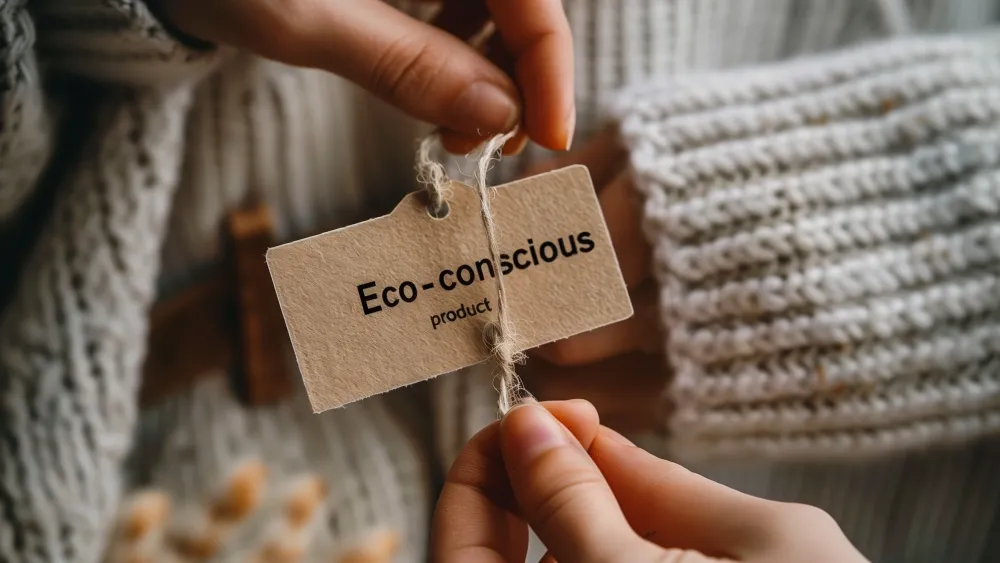
What I personally side-eye: “eco,” “conscious,” “green,” and “planet friendly” with no details. If the product page cannot tell you what the fiber is, where it is made, and what standard backs the claim, treat it as unverified.
Fit and construction: the hidden sustainability factors
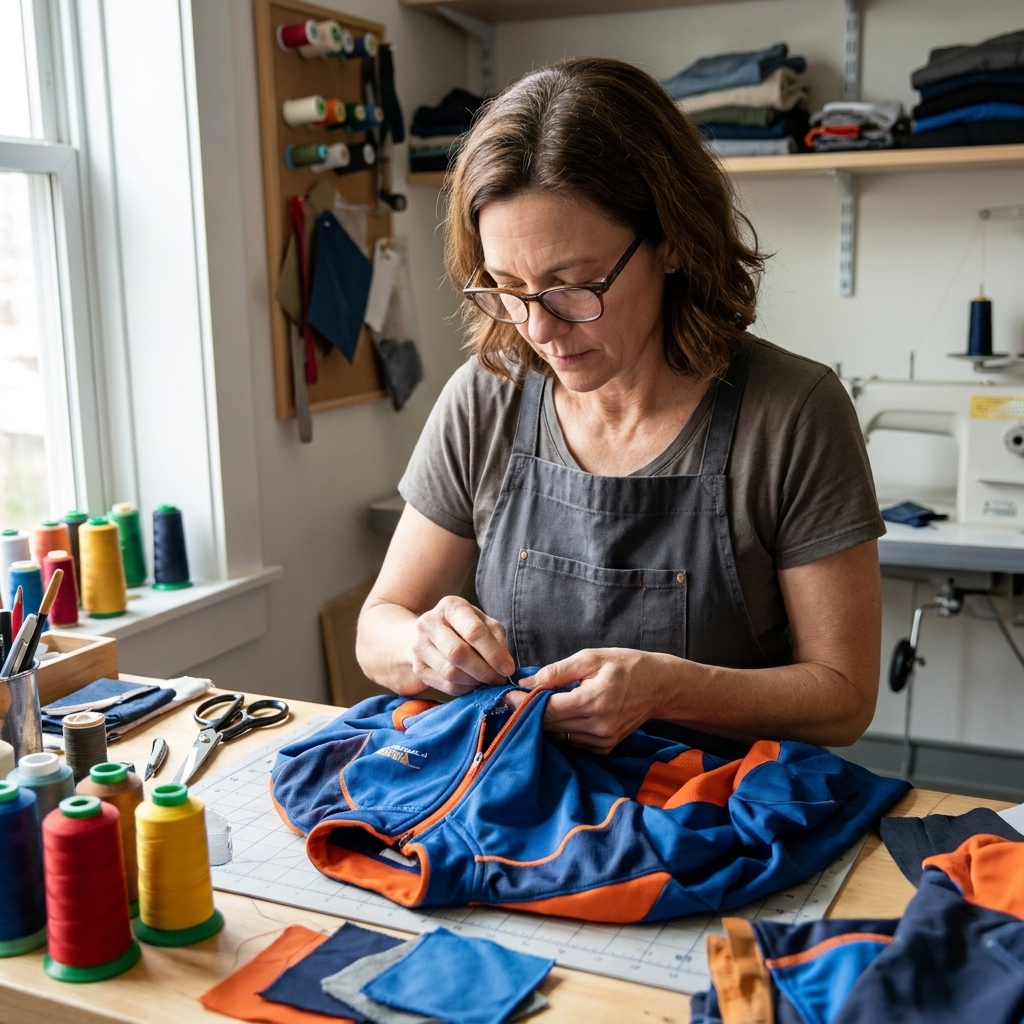
I have tailored thrifted blazers for half my life, and I will say this with my whole chest: fit is what keeps clothing out of the donation bin. For activewear, construction matters just as much.
What to check before you buy
- Seams: flatlock seams reduce chafing and tend to wear better. Tug lightly and look for even stitching.
- Waistbands: a stable waistband should snap back after stretching and not ripple.
- Opacity: do the squat test in natural light if possible. If you are shopping online, read reviews specifically about sheerness.
- Compression and recovery: fabric should bounce back. If it bags out in the knees after one wear, it will not age well.
- Hardware: zippers should glide smoothly, and drawcords should be anchored so they do not disappear into the waistband.
My stylist’s shortcut for buying fewer pieces
Choose a tight color palette you actually enjoy wearing. A small set of coordinating tops and bottoms means you repeat outfits without looking like you repeat outfits. That is capsule wardrobe magic, but for the gym.
Microplastics: what you can do (without spiraling)
Synthetic activewear can shed microfibers, especially when it is new or when fabrics are lower quality. While the bigger solutions need industry-level change, you can reduce shedding at home:
- Wash cold and gentle: less friction, less shedding, and it protects elastane.
- Avoid the dryer: heat breaks down stretch fibers faster. Air-dry whenever you can.
- Wash less when appropriate: if you did a low-sweat session, airing out might be enough.
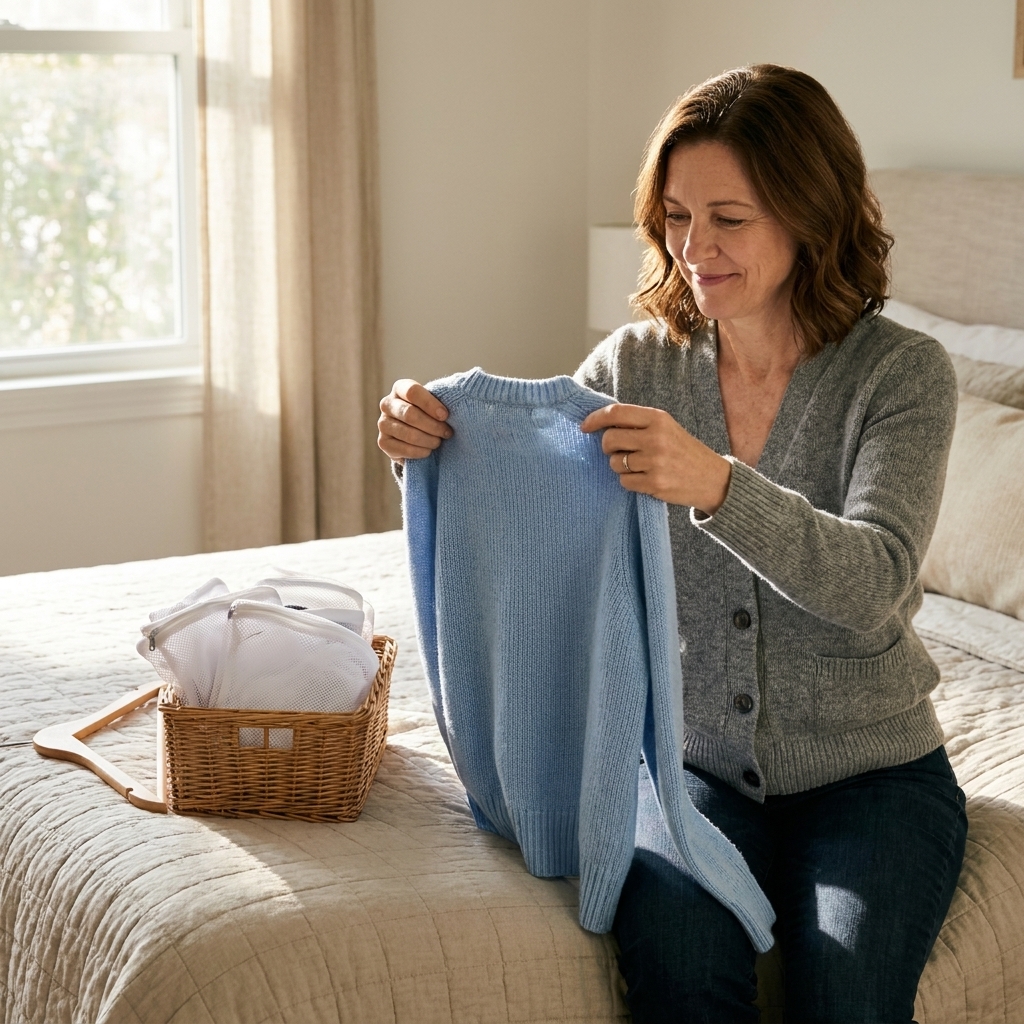
- Use a microfiber-catching tool: a washing bag or a filter can help capture some fibers before they hit waterways.
- Skip fabric softener: it coats fibers and can reduce moisture-wicking performance.
Also: avoid “disposable” trends like ultra-thin, novelty fabrics that pill on sight. Durability is environmental impact you can actually feel.
Ethical, more sustainable activewear brands to know
Brands change over time, so I always recommend scanning a company’s transparency page and recent impact reporting. That said, these are widely recognized for stronger environmental and ethical commitments than the category average.
Patagonia
A leader in repair culture and materials innovation, with strong transparency and long-standing activism. Great for outdoor training layers, sports bras, and base pieces.
Girlfriend Collective
Known for size inclusivity, clean design, and heavy use of recycled materials. A solid place to start if you want matching sets that do not feel fussy.
Athleta
Athleta is a certified B Corp with a big footprint and a lot of influence in the category, which matters. Look for their lower-impact material lines, and still do the unglamorous work of checking fiber content and construction piece by piece.
tentree
Casual active essentials and layers with a nature-forward mission. Best for lighter workouts, walking, and lounge-to-gym moments.
Rapanui
Known for circular approaches and more responsible basics. Great for tees, sweats, and simple training staples depending on your region and shipping considerations.
icebreaker
Strong merino options for base layers, socks, and temperature-regulating pieces. Ideal if you want fewer synthetics next to your skin.
Pact (for cotton-based movement wear)
Organic cotton basics that work for yoga, stretching, and off-duty days. Not the brand I reach for for high-sweat HIIT, but lovely for breathable comfort.
How to shop smarter: a sustainable activewear checklist
- Start with your real routine: yoga, lifting, running, hiking, and errands all want different fabrics.
- Buy one hero set first: test wash, wear, and recovery before you commit to multiples.
- Prioritize high-contact items: leggings and sports bras take the most stress, so invest there.
- Choose versatile neutrals plus one joy color: it keeps your capsule cohesive but not boring.
- Look for repair or warranty policies: brands that stand behind product quality are usually building for longevity.
- Consider secondhand: resale platforms can be great for barely-worn leggings and jackets, especially from premium brands.
Care tips that seriously extend lifespan
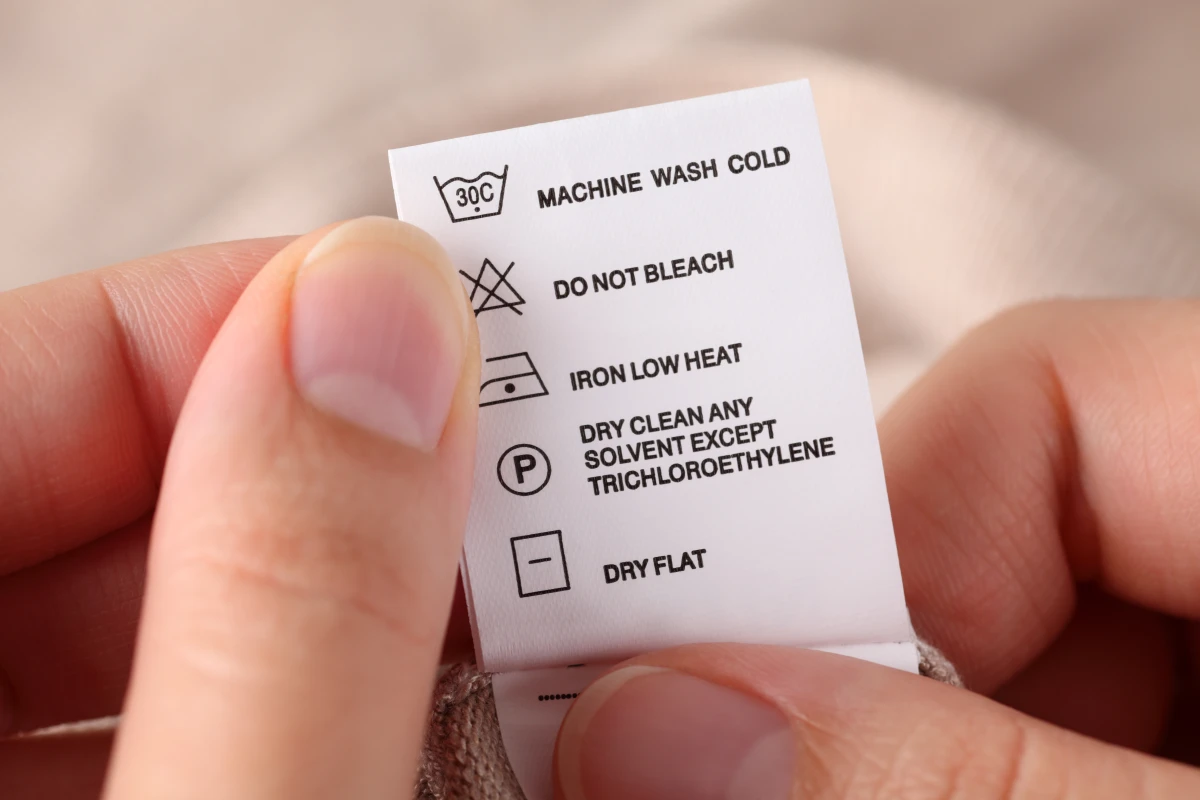
I know care labels can feel like nagging, but this is where you get a better cost-per-wear and a smaller footprint without buying anything new.
- Turn items inside out before washing to protect the face fabric.
- Close zippers and hook-and-eye clasps so they do not chew up knits.
- Wash with similar textures to reduce abrasion. Leggings do not love towels.
- Spot clean when possible instead of full washes.
- Retire pieces strategically: demote worn leggings to lounge or layering instead of tossing them at the first sign of pilling.
FAQ
Is recycled polyester actually sustainable?
It can be a better option than virgin polyester because it reduces new fossil-fuel input and can divert waste. It is not perfect because it is still plastic and can shed microfibers. The most sustainable choice within synthetics is usually high-quality recycled fabric that lasts, cared for gently.
What fabric is best for sweaty workouts if I want lower impact?
Recycled nylon or recycled polyester blends tend to perform best for high sweat. If you want fewer washes, merino layers can help with odor management for lower to moderate intensity.
How many workout outfits do I really need?
For most people, 3 to 6 mix-and-match outfits covers a week, depending on how often you do laundry. If you train daily, add extra sports bras and socks before you add more leggings.
What is the biggest sign of greenwashing?
Vague language with no specifics. If a brand cannot tell you fiber content, factory locations, and a third-party standard or measurable goal, you are being sold a vibe, not sustainability.
If you want my most Clara advice: pick the pair of leggings that makes you stand taller when you catch your reflection. Confidence is not separate from sustainability. When you feel good, you wear the piece. When you wear the piece, it earns its keep.