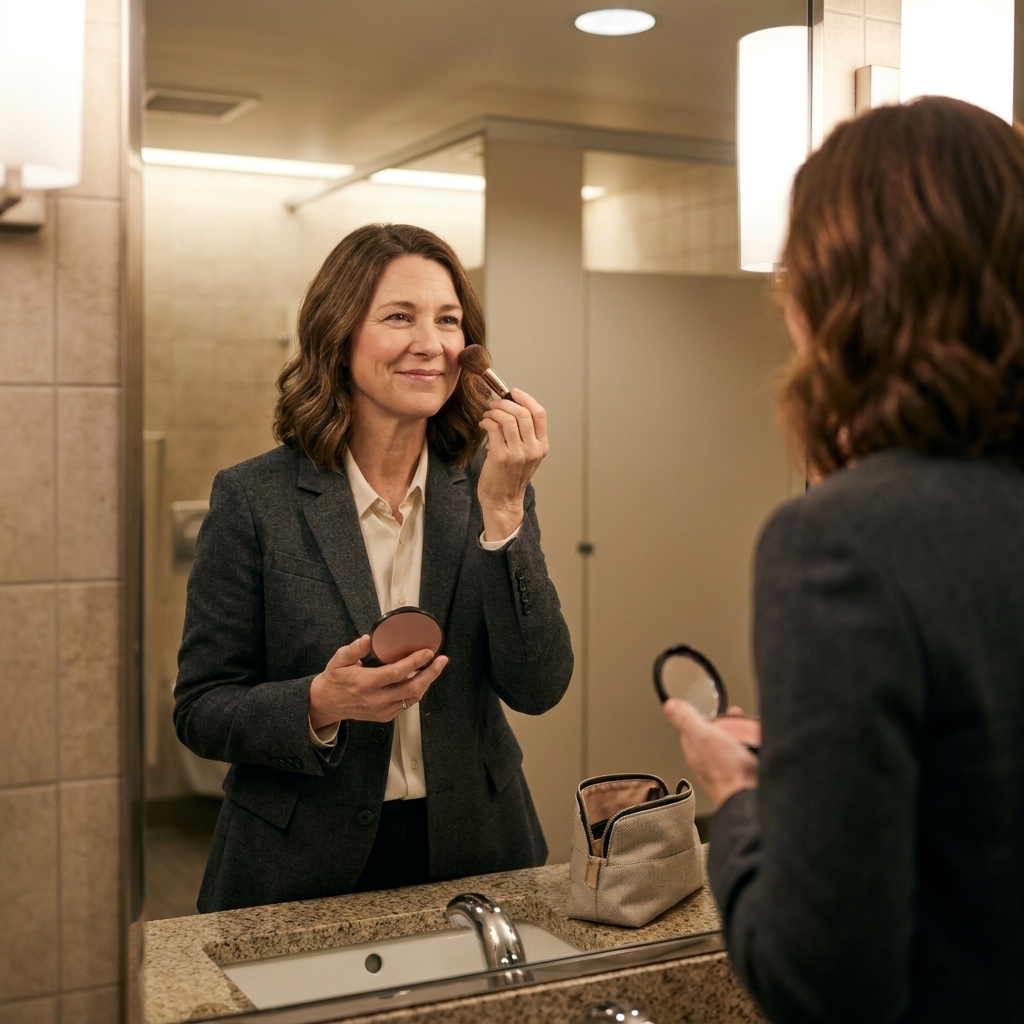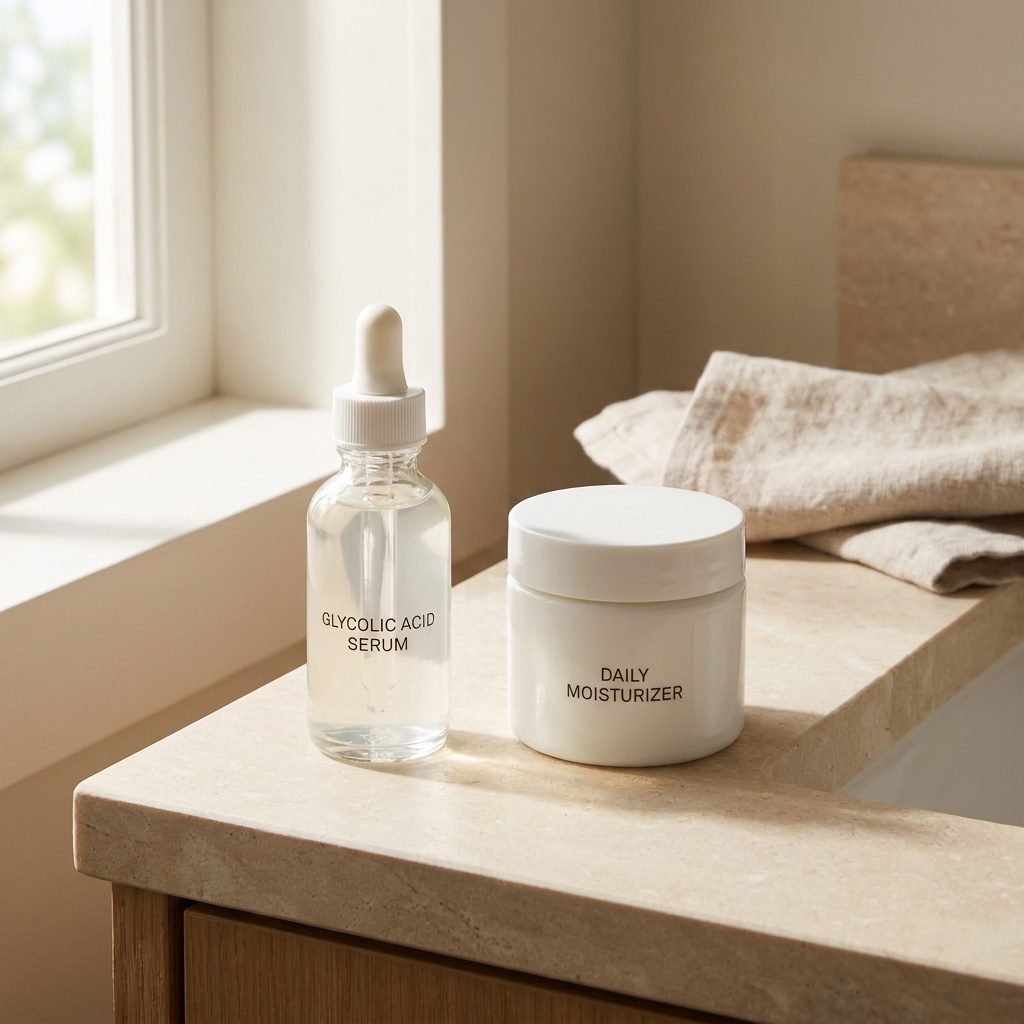
If you have ever stared into your makeup bag like it is a tiny junk drawer, you are not alone. Most of us have a handful of holy grails, a few “why did I buy this” items, and at least one product that has been rolling around since a different era of our lives.
Here is the good news: building a sustainable, cruelty-free beauty bag does not require tossing everything you own and starting over. In fact, the most eco-friendly first step is usually to use what you already have (as long as it is safe), replace intentionally, and choose better options as you run out. Think of it like building a capsule wardrobe , but for your face.
What “sustainable” and “cruelty-free” mean
Beauty marketing gets noisy fast, so let's keep the definitions simple and useful.
Cruelty-free
Cruelty-free generally means the brand does not test finished products or ingredients on animals. In real life, policies can get complicated by supply chains, third-party testing, and where a brand sells. That is why it helps to look for a clear policy plus a credible third-party certification when you can.
Quick nuance: Leaping Bunny is widely considered one of the stricter certification standards. PETA's program is common and helpful for screening, but it is often more reliant on brand reporting. Certifications are not perfect, but they are still a solid shortcut when you're shopping quickly.
If you want to verify beyond a logo, check the certifier's database (like Leaping Bunny's), then skim the brand FAQ for statements on third-party testing and market requirements.
Vegan (not the same thing)
Vegan means no animal-derived ingredients. A product can be vegan but not cruelty-free, and cruelty-free but not vegan. If both matter to you, you'll want both boxes checked.
Sustainable
Sustainable is bigger. It can include: lower impact ingredients, responsible sourcing, reduced packaging, refill options, recycled materials, and better manufacturing practices. No brand is perfect, so aim for “better,” not “flawless.” Your budget and bandwidth count, too.
My rule of thumb: use up what you have, replace one category at a time, and prioritize swaps that reduce waste and irritation.
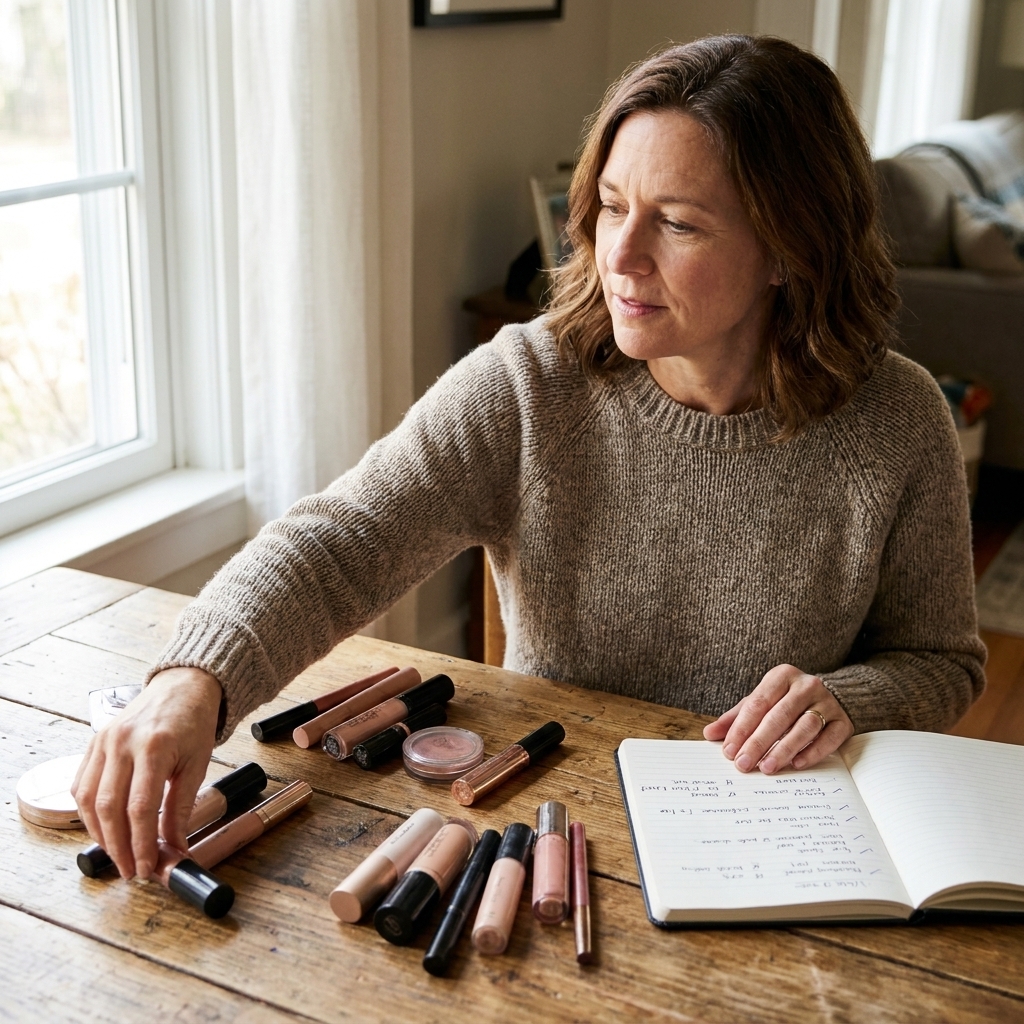
Step one: do a no-judgment audit
Before you buy anything, shop your own stash. This is where the budget magic happens.
Pull everything out and sort into four piles
- Love + use weekly: These stay. You do not have to replace them today.
- Like but not perfect: Candidates for technique changes or small add-ons, like a better brush or a primer.
- Rarely used: Keep a few for special occasions, but do not keep buying duplicates “just in case.”
- Expired or unsafe: Anything that smells off, separates, causes irritation, or is past its safe window.
Quick safety check: when to toss
General guidelines vary by formula and packaging. When in doubt, follow the PAO symbol (the little open jar, like 6M or 12M), the brand's guidance, and your senses. These are conservative, practical ranges to keep in mind:
- Mascara and liquid eyeliner: Replace about every 3 months, sooner if your eyes get irritated.
- Liquid foundation and concealer: Often 6 to 24 months once opened. Follow the PAO, and toss sooner if the smell, color, or texture changes.
- Cream blush and cream bronzer: Often 6 to 18 months once opened, depending on the formula and how you apply it (clean hands and tools help).
- Powders (blush, bronzer, shadow): Often 24 to 36 months, sometimes longer if kept clean and dry. If you are acne-prone, you may prefer a shorter window and more frequent sanitizing.
- Lip products: Often 12 to 24 months, and toss if the scent or texture changes.
If you are unsure, err on the side of your skin barrier. No sustainable choice is worth chronic irritation.
Step two: stop waste before you swap
The quickest way to make your beauty routine more sustainable is to reduce the steady stream of half-used products.
Use what you have in smarter ways
- Make mismatched foundations work: Mix two shades, or sheer a heavy base with moisturizer.
- Turn unused lipstick into cream blush: Tap a tiny amount onto cheeks, then blend with fingers. Patch test first.
- Revive dry gel products: If it is safe for that formula, a drop of mixing medium can help. If it smells off, toss it.
- Set a “one in, one out” rule: Especially for mascara, brow gel, and lip balm.
Recycle and dispose the right way
Check your local recycling rules, because they vary. Many cities do not accept small mixed-material beauty packaging in curbside bins. If you have access, retailer drop-offs and specialty recycling programs (like mail-in collection programs) can help.
One important reality check: take-back programs often mean downcycling or energy recovery, not true closed-loop recycling. They are still better than the trash, but they are step two. Step one is buying less, choosing refillable options, and favoring mono-material packaging when you can.
Step three: replace strategically
If you want the biggest impact without the biggest bill, replace products in this order.
1) Fast empties you buy often
These add up quickly in waste and spending:
- Mascara
- Brow gel
- Cleansers
- Deodorant
- Body lotion
- Cotton rounds and makeup remover wipes
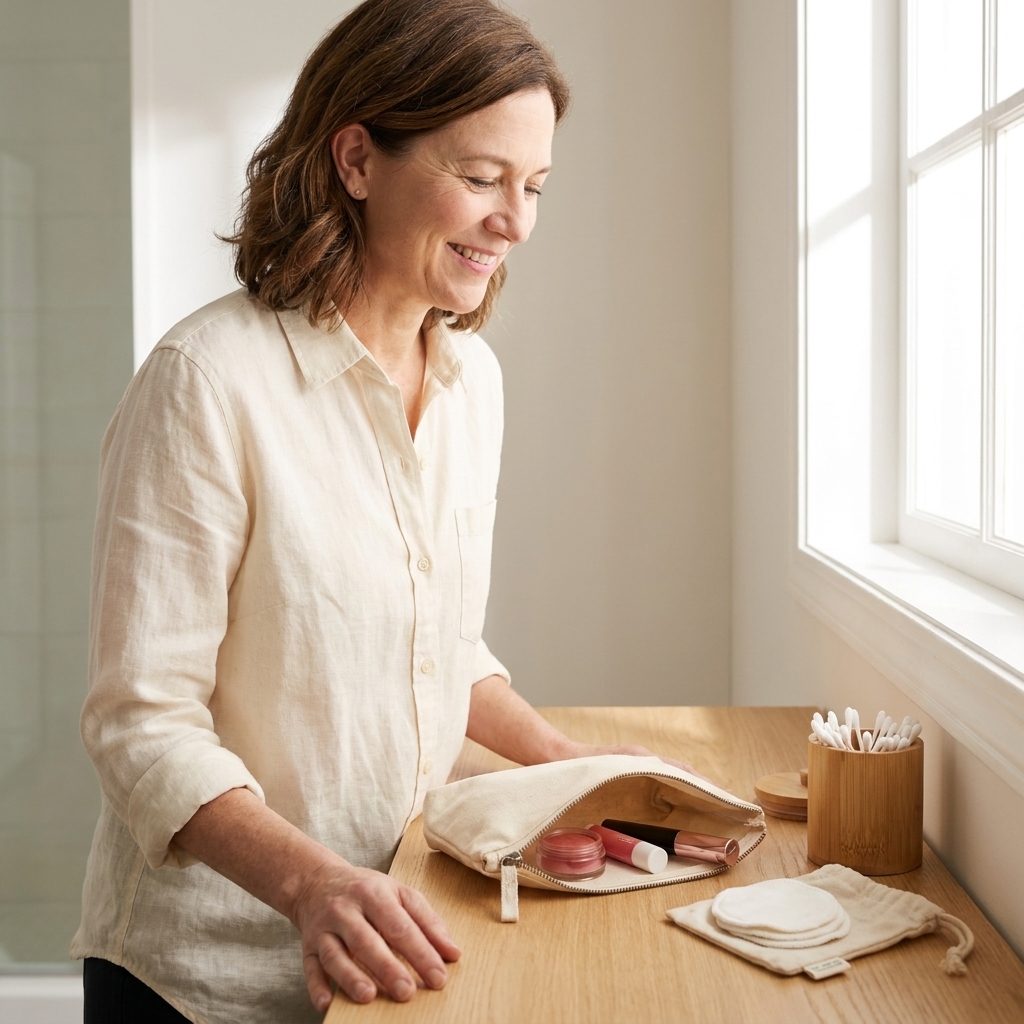
Budget-friendly swap: Replace disposable wipes with a few washable cotton rounds or a soft microfiber cleansing cloth. It's one of the cheapest sustainability upgrades you can make.
2) Sensitive-skin essentials
If your skin reacts easily, choosing a cruelty-free formula that works for your skin is both ethical and practical. A product that breaks you out often ends up wasted.
If you are trying to cut irritation without getting sucked into “clean beauty” panic, start simple: fragrance-free is often a win, and be cautious with essential oils if you know your skin hates them.
3) Color and fun extras
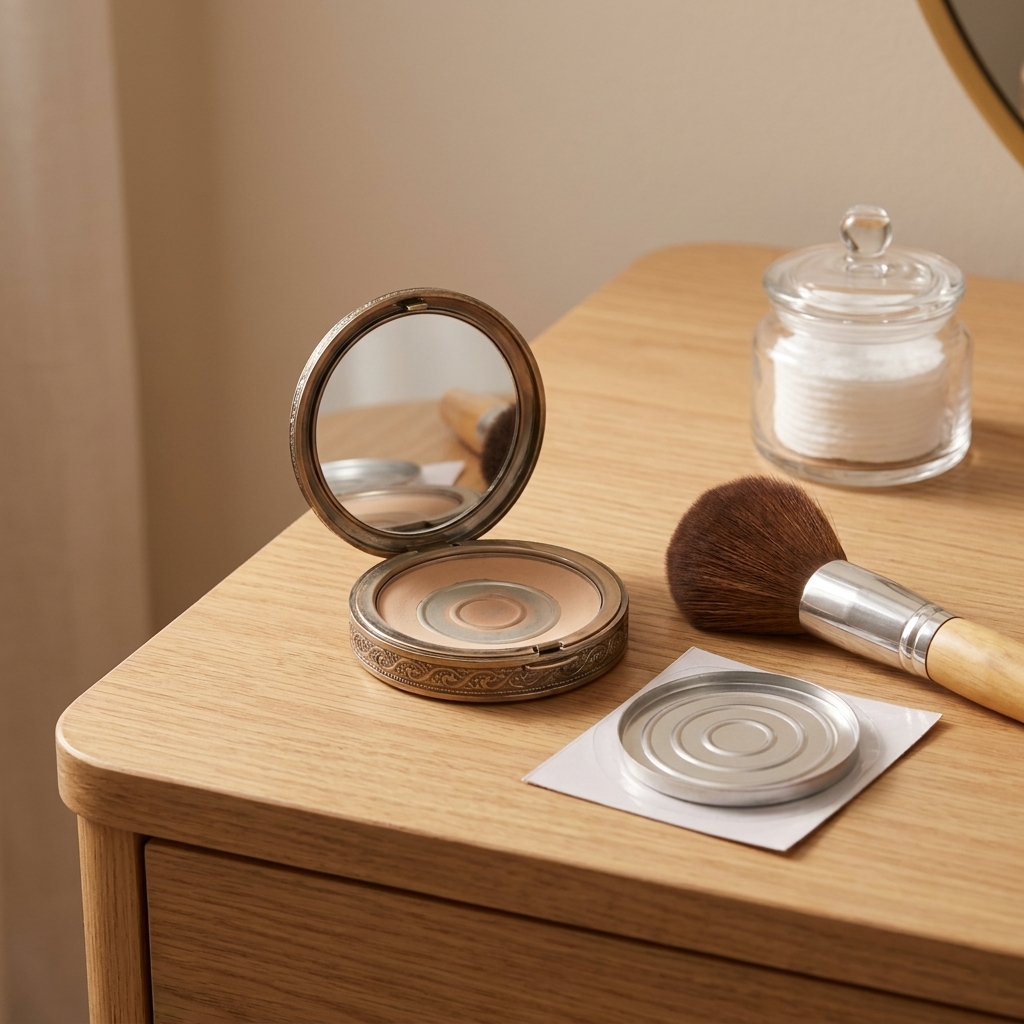
Blush, highlighter, and eyeshadow last a long time. If you already own shades you love, you can wait. Use this category to experiment with refills or vintage-style compacts later, when your staples are set.
How to shop ethically on a budget
Let's talk tactics. This is how you build an ethical beauty bag that still respects your rent.
Choose multipurpose products
- Tinted moisturizer or skin tint: One step instead of foundation plus moisturizer.
- Concealer that doubles as foundation: Spot conceal, then blend outward.
- Lip and cheek color: One product, two uses.
- Neutral cream shadow: Works as lid color, liner when smudged, and even brow fill in a pinch.
Watch cost per use, not sticker price
A slightly pricier refillable powder that you use daily for a year can be cheaper over time than a “budget” one that breaks, oxidizes, or gets decluttered after three weeks. Sustainability is often about longevity.
Buy minis on purpose
If you're switching formulas, a mini reduces the chance of wasting a full size. Minis are also perfect for mascara and travel.
Use sales without the clutter
- Wait for a seasonal sale to restock staples you already know you love.
- Avoid “free gift with purchase” bundles that push you into clutter.
- Sign up for brand emails only if you'll actually use the discounts, then unsubscribe.
Refill and reuse where it makes sense
Refill systems are not always cheaper upfront, but they can reduce packaging long term. If you are on a tight budget, start with one refillable category you will definitely repurchase, like powder, deodorant, or hand soap.
What to check on labels
You do not need a PhD in ingredients to make better choices. You just need a quick checklist.
- Cruelty-free verification: A clear policy plus a trusted certification when possible. If you're unsure, check a certifier database and the brand FAQ for third-party testing and where they sell.
- Packaging details: Refillable, recyclable, post-consumer recycled content, or minimal packaging.
- Transparency: Brands that clearly explain sourcing and manufacturing tend to be more accountable.
- Fragrance: If you are sensitive, fragrance-free can prevent wasted products from irritation.
- Shade range: Inclusivity matters. A “sustainable” brand that does not serve real people across skin tones is not the future.
- Accessibility: Price points and availability matter, too. If you cannot buy it locally or affordably restock it, it is harder to sustain long term.
If a brand only says “clean” or “green” without specifics, take it as a vibe, not proof.
A simple beauty bag checklist
If you want a streamlined starting point, here is a tight kit that covers everyday life without overbuying.
Base
- Skin tint or tinted moisturizer
- Concealer
- Powder (ideally refillable or in minimal packaging)
Cheeks and lips
- Multi-use lip and cheek color
- Neutral balm or lip oil you actually finish
Eyes and brows
- Mascara (replace regularly)
- Brow pencil or brow gel
- One neutral shadow or cream pot
Tools that reduce waste
- Washable makeup rounds or a cleansing cloth
- A solid set of two to three brushes you clean often
- A sharpener for pencils (it extends product life)
That's it. If you want more, add one fun item at a time after you're consistently using what you own.
Budget swaps that matter
Skip disposable makeup remover wipes
They are expensive per use and create constant trash. A cleansing balm plus a warm, damp cloth is gentle, effective, and much less wasteful.
Choose bar or concentrate formats
Shampoo bars, conditioner bars, and concentrated refills can cut plastic. If your hair is picky, do not force it. A routine you hate is not sustainable.
Buy fewer shades, wear them more ways
A single flattering berry can be lip color, blush, and a soft eye tint. This is where my stylist brain lives: repeat a color story and your whole look feels intentional.
Makeup hygiene that saves products
This is the unsexy secret to sustainability: keeping tools clean helps products last longer and keeps your skin calmer, which means less waste.
- Wash brushes: Aim for weekly for complexion brushes and every 1 to 2 weeks for eye brushes, depending on how often you use them.
- Do not double-dip with dirty fingers: Use a clean spatula or wash hands first for pots and creams.
- Sanitize powders: Lightly mist with 70% isopropyl alcohol and let fully dry. Do not soak.
- Keep caps tight: Air exposure dries products out faster than you think.
Common questions
Is it wasteful to throw out non cruelty-free makeup I already own?
In most cases, yes. If it is safe for you and you will use it, finishing what you have is usually the lower-waste choice. Replace with cruelty-free when it is empty. The exception is anything that irritates your skin or is expired.
Are “clean” brands always more sustainable?
Not necessarily. “Clean” is not a regulated term. A product can be “clean” and still come in excessive packaging, have a tiny shade range, or expire quickly. Look for transparency, refill options, and formulas you'll actually use up.
How can I go cruelty-free on a tight budget?
Start with one category you buy often, like mascara or cleanser. Replace that with a cruelty-free option when it runs out, and keep going slowly. Sustainability is a practice, not a makeover.
What is the most affordable sustainable change I can make today?
Use a washable makeup cloth or reusable rounds instead of disposable wipes, and commit to finishing one product before buying another in the same category.
A gentle reminder
Your beauty bag does not need to be perfect to be ethical. It just needs to be thoughtful. Use what you own. Replace slowly. Choose cruelty-free when you can. And if you find a formula that makes you feel like yourself, hold onto it with both hands, like a well-fitted blazer on a nervous day.