Exfoliation is one of those skincare steps that can make you look like you slept eight hours, drank water, and have your life together. It can also be the step that leaves you tight, stinging, and wondering why your moisturizer suddenly feels like hot sauce.
The difference usually comes down to what kind of exfoliant you are using and how often. Let’s break down chemical exfoliants (AHAs and BHAs) versus physical exfoliants (scrubs), then match them to real-life skin types so you get the glow, not the irritation.
What exfoliation does
Your skin naturally sheds dead cells, but that process can slow down with things like age, dryness, sun damage, and sometimes just life. Exfoliation helps remove built-up dead skin cells from the surface so light reflects more evenly. That is where the smoother texture and “brighter” look comes from.
Done well, exfoliation can help with:
- Dullness and rough texture
- Clogged pores and blackheads
- Post-breakout marks (slowly, over time)
- Flakiness from dry skin (when paired with barrier support)
- Helping some products apply and absorb more evenly
Done too aggressively, exfoliation can lead to:
- Redness, burning, and tightness
- Increased breakouts from inflammation
- Worsened sensitivity and dehydration
- Damage to your skin barrier
Chemical exfoliants
Chemical exfoliants sound intimidating, but they are simply ingredients that help loosen the bonds between dead skin cells so they can shed more evenly. No scrubbing required.
Quick note on “strength”: with acids, results and irritation potential depend on the formula, including the percentage, pH, and base. Two products with the same acid can feel very different.
Leave-on vs. rinse-off: leave-on acids generally do more because they stay on the skin longer. Rinse-off exfoliating cleansers can be a gentler entry point, but they are often less impactful for stubborn texture or clogged pores.
AHAs
Best for: dry, normal, sun-damaged, and texture-prone skin.
AHAs are typically water-soluble, meaning they work primarily on the skin’s surface. They are great if your issues are dullness, fine lines, or flaky patches that makeup clings to.
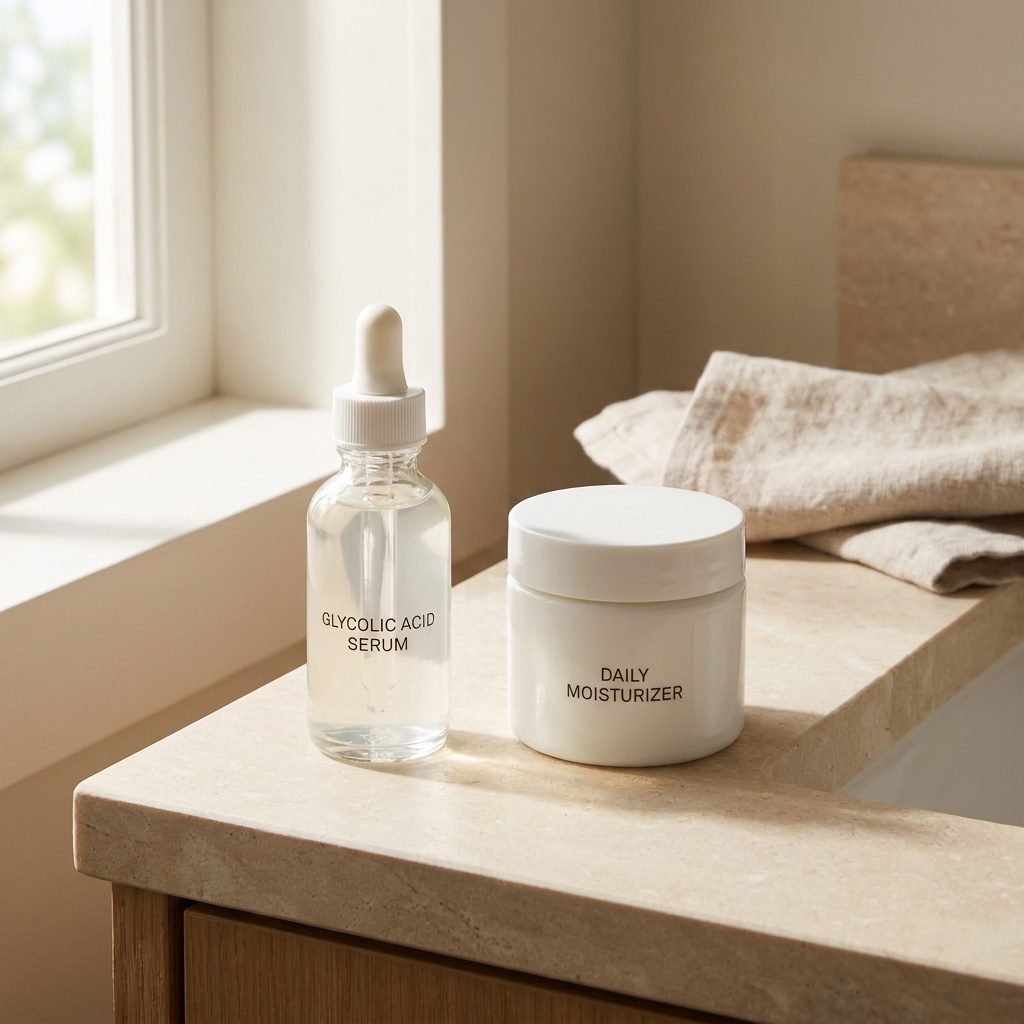
- Glycolic acid: often feels stronger for many people and can be great for texture, but it is also more likely to irritate if your barrier is sensitive. How “strong” it feels depends on the full formula, not just the molecule.
- Lactic acid: often gentler, a favorite for dry or reactive skin types because it can feel less stingy.
- Mandelic acid: typically slower and gentler, often well-tolerated by sensitive skin and some acne-prone folks.
BHAs
Best for: oily, combination, blackhead-prone, and acne-prone skin.
BHAs are oil-soluble, which is why they are so helpful for pores. They can travel into the oil lining of the pore to help loosen congestion.
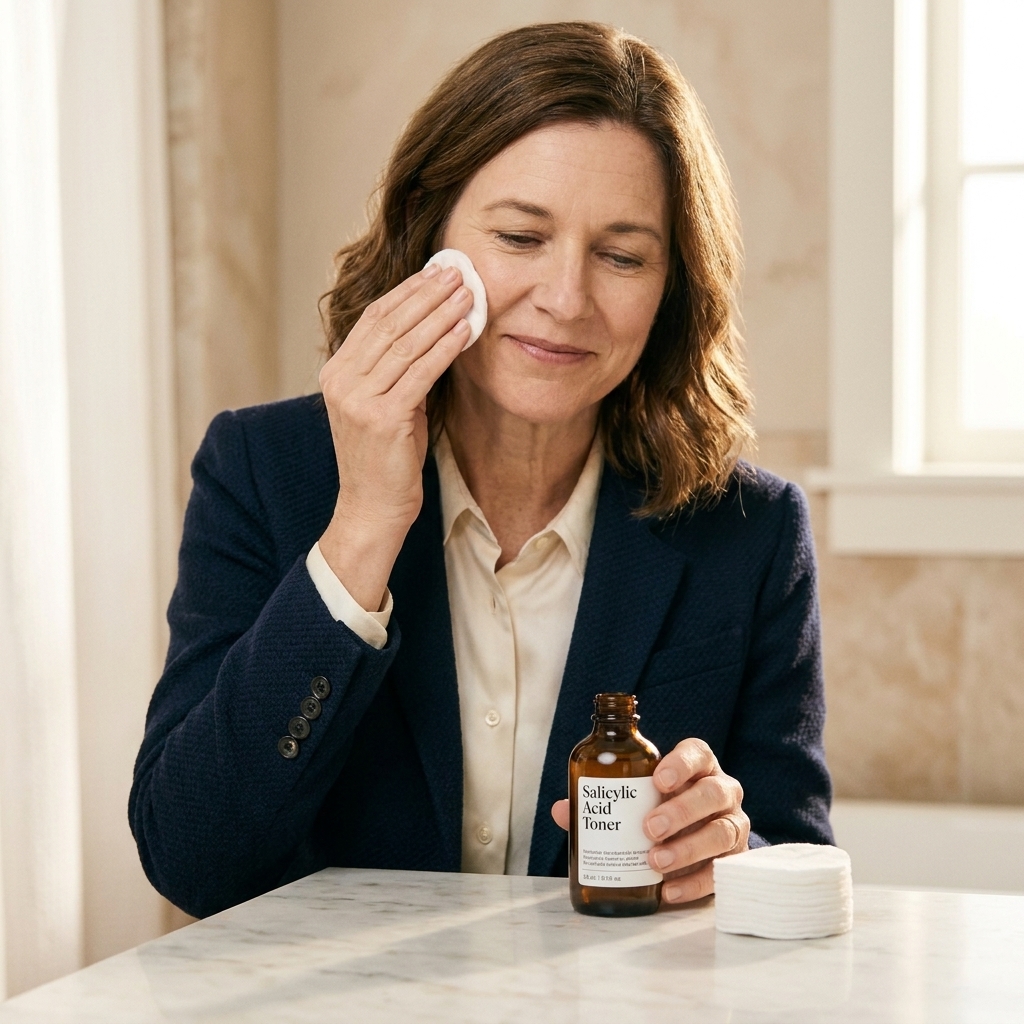
- Salicylic acid: the classic BHA for blackheads, whiteheads, and breakouts.
A gentle reality check: even though BHAs are often recommended for acne, using them too frequently can cause dryness and irritation, which can make breakouts look and feel worse. Clear skin loves consistency, not intensity.
Physical exfoliants
Physical exfoliants work by manually buffing away dead skin cells. This category includes classic scrubs, polishing powders, cleansing brushes, and textured cloths.
When it works well
- You want immediate smoothness: especially before self-tan or an event (gently, please).
- You have very resilient skin: and you can tolerate mild friction without redness.
- You are dealing with flaky patches: and you need a quick surface polish, followed by a rich moisturizer.
What to watch out for
Many scrubs are too harsh for facial skin, especially if they contain jagged particles (think sharp nut shells). Over-scrubbing can create micro-irritation that does not always show up as obvious scratches, but can trigger redness, sensitivity, and breakouts.
If you love the ritual of a scrub, look for:
- Very fine, round particles (jojoba beads, rice powder, or super-fine sugar used gently)
- Scrubs suspended in a creamy base with soothing ingredients
- Directions that do not encourage aggressive rubbing
And keep the pressure light. I tell people to imagine they are polishing a silk blouse, not sanding a dining table.
One more thing: avoid scrubbing directly over angry, inflamed breakouts. The friction can mechanically aggravate lesions and ramp up irritation when your skin needs calm, not chaos.
Which is better
For most skin types, chemical exfoliants tend to be easier to control because they are consistent and do not rely on pressure, scrubbing technique, or how enthusiastic you feel in the shower.
That said, physical exfoliation is not automatically “bad.” It is just easier to overdo and more likely to irritate if you are sensitive, acne-prone, or dealing with an impaired barrier.
If your skin is currently stinging, peeling, or suddenly breaking out after products that used to work, pause exfoliation for a bit. Sometimes the most “glowy” thing you can do is repair your barrier.
When to pause
Skip exfoliation (for now) if you are dealing with:
- Active eczema or atopic dermatitis flare-ups
- Perioral dermatitis or unexplained new irritation around the mouth
- Sunburn, windburn, or a clearly compromised barrier
- Recent procedures (lasers, microneedling, professional peels) or recent waxing
When in doubt, keep it boring for a week. Gentle cleanser, plain moisturizer, sunscreen. Then reassess.
Match to skin type
Dry or dehydrated
Try: lactic acid or mandelic acid 1 to 2 times per week.
Avoid: frequent scrubs and high-strength glycolic acid until your barrier feels stable.
Pro tip: Exfoliate at night, then seal the deal with a simple moisturizer. If you wake up feeling tight, your frequency is too high.
Oily or combination
Try: salicylic acid (BHA) 2 to 4 times per week depending on tolerance.
Also works: a gentle AHA once weekly if texture is an issue, but do not stack everything at once.
Acne-prone
Try: BHA as your main exfoliant.
Avoid: gritty scrubs over active breakouts. Friction can worsen inflammation and prolong healing.
Note: If you are using prescription acne treatments (like retinoids or benzoyl peroxide), ask your dermatologist how to fit exfoliation in safely. Many people do best with fewer exfoliating steps, not more.
Where azelaic acid fits: it is not a classic exfoliant, but it is a popular option for acne, redness, and uneven tone. If azelaic acid is in your routine, that is another reason to keep leave-on acids on a short leash.
Sensitive or rosacea-prone
Try: mandelic acid or very low-strength lactic acid, once weekly at most, after patch testing.
Consider: skipping exfoliation during flare-ups. Calm skin is beautiful skin.
Avoid: scrubs, high-percentage at-home peels, and doubling up on actives.
Mature skin or uneven tone
Try: AHAs for surface smoothing and radiance, starting 1 to 2 nights per week.
Be patient: tone and texture shifts take weeks, not days. If you are targeting hyperpigmentation, slow and steady matters because irritation can trigger more discoloration.
Extra important: sunscreen daily. AHAs can increase sun sensitivity, and UV exposure is the fastest way to undo your hard work.
Use without irritation
1) Start low and slow
Begin with once a week, then increase only if your skin stays comfortable. The goal is better over time, not maximum tingle tonight.
Also: tingling is not a requirement for results. If a product “does nothing” because it does not sting, that might actually be a good sign.
2) Do not stack actives
Common irritation combo: AHA or BHA + retinoid + vitamin C + harsh cleanser. You do not need to white-knuckle your way to good skin.
If you want a simple rhythm:
- Exfoliation nights: AHA or BHA, then moisturizer
- Non-exfoliation nights: hydrating serum, barrier moisturizer
3) Support your barrier
Barrier-friendly extras: ceramides, glycerin, hyaluronic acid, squalane, panthenol, colloidal oatmeal, petrolatum (when needed).
4) Wear sunscreen daily
This is not a scolding, it is self-defense. AHAs can increase sun sensitivity, and in general, exfoliating can leave skin more vulnerable to irritation. Sunscreen also helps prevent discoloration from getting darker.
Quick FAQ
Can I use an AHA and a BHA together?
Sometimes, but it is usually smarter to alternate rather than layer, especially if you are new to exfoliation. If you want both benefits, consider using BHA 2 to 3 nights a week and AHA 1 night a week, with rest nights focused on hydration.
How often should I exfoliate?
It depends on your skin and the strength of the product. Many people do well with 1 to 3 times per week. Daily exfoliation is possible for some, but it is not a glow requirement and often backfires for sensitive or dry skin.
Why does my skin look worse after exfoliating?
Common reasons include overuse, using too strong of an acid, combining multiple actives, or scrubbing too hard. Take a break for a week or two, focus on gentle cleansing and moisturizing, then reintroduce exfoliation slowly.
What is the gentlest exfoliant?
Mandelic acid and low-strength lactic acid are often among the gentler chemical options. For physical exfoliation, a very soft washcloth used lightly can be gentler than many gritty scrubs.
Is tingling normal?
A mild tingle can happen with acids, especially on freshly cleansed skin. Burning, stinging, prolonged redness, or peeling is a sign to stop and reassess.
The bottom line
If you want the most reliable results with the least drama, chemical exfoliants (AHAs and BHAs) are usually the better choice because they are more controlled and less dependent on friction. If you love a scrub, pick a gentle formula and treat your face with the same care you would give to a favorite vintage silk top.
Glowy skin is not about doing the most. It is about doing the right amount, consistently, and letting your barrier be the star of the show.