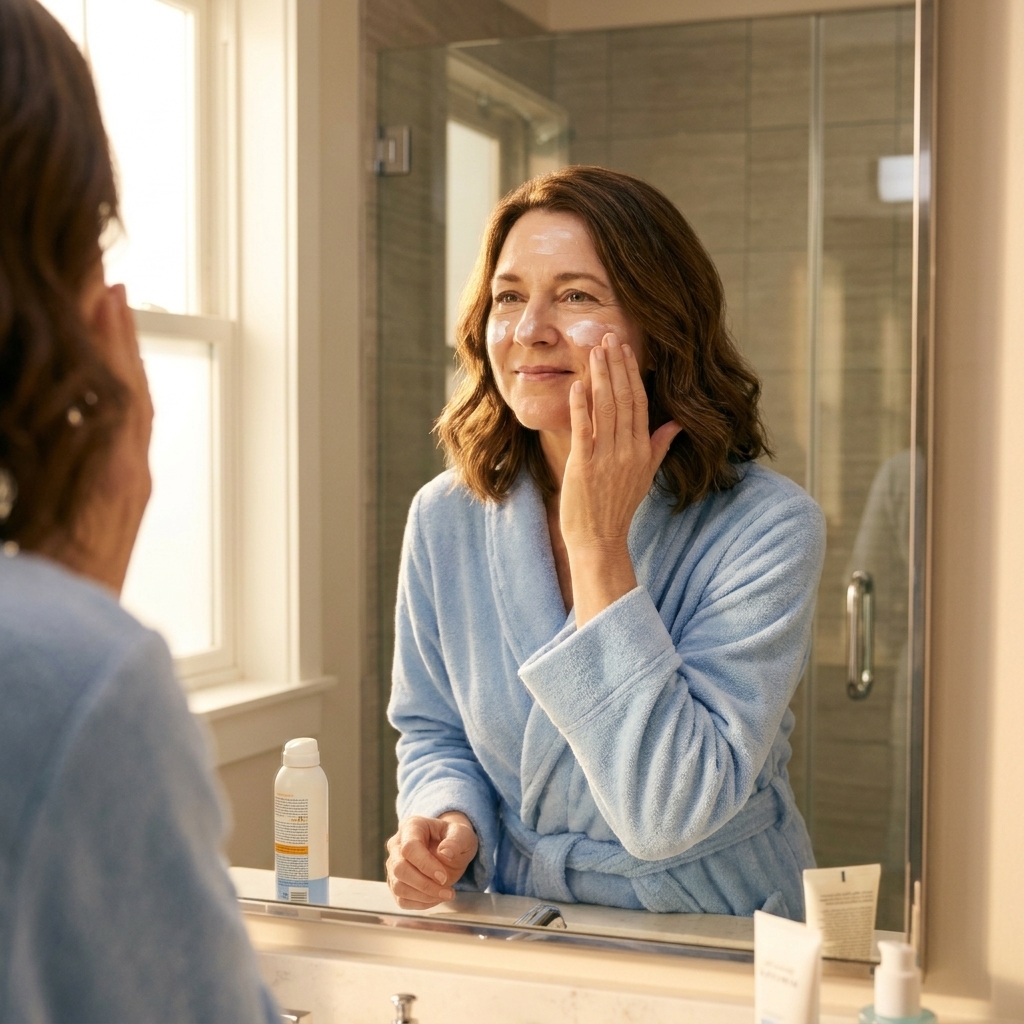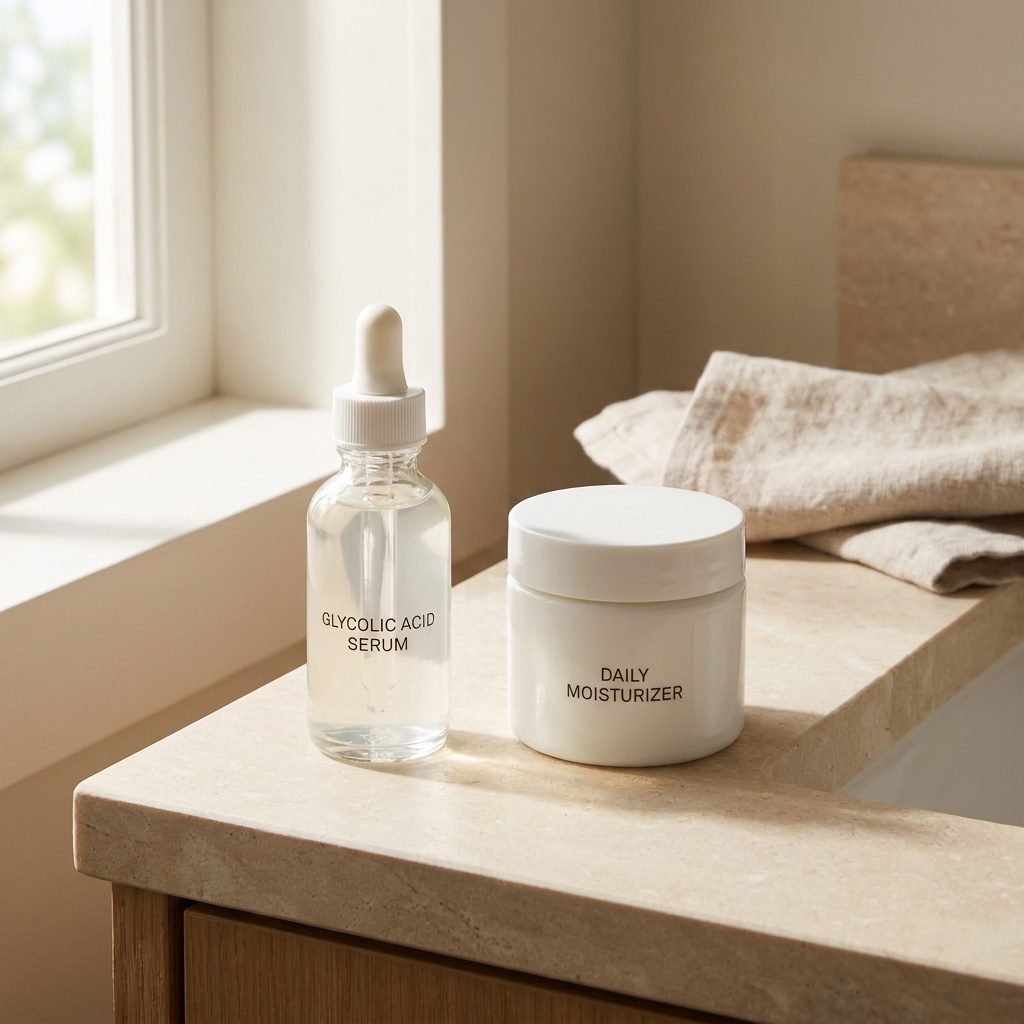
Your 30s are the skincare equivalent of discovering tailoring. You can keep wearing whatever, sure. But once you start choosing pieces that fit and work together, everything looks smoother, more polished, and more like you. Anti-aging ingredients are the same. You do not need a 12-step routine or a bathroom counter that looks like a lab. You need a few proven actives, used consistently and kindly.
Let’s talk about the three MVPs I want in most 30-something routines: retinol, vitamin C, and peptides. I will also show you how to use them without wrecking your barrier, because a compromised barrier can make skin look older, feel crankier, and slow your progress faster than any birthday candle ever could.
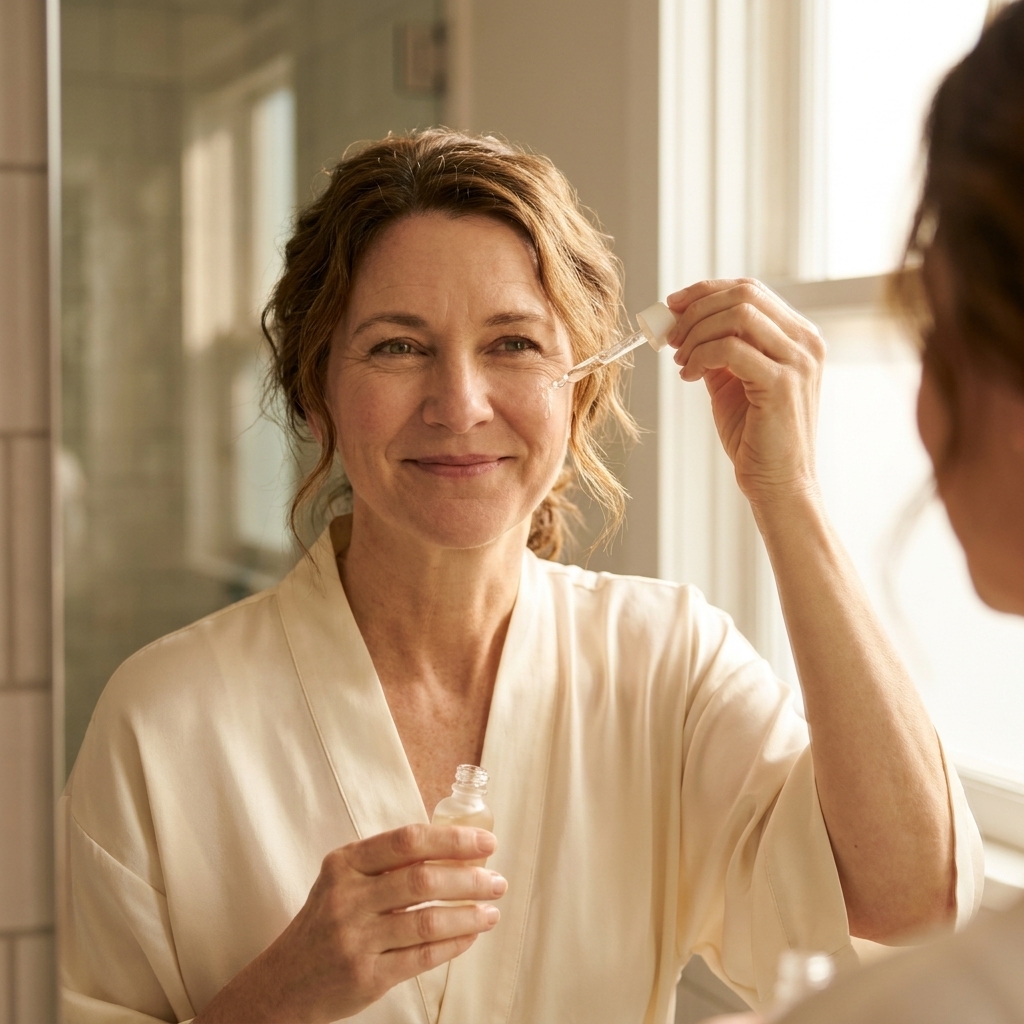
What changes in your 30s
This is the decade when “I slept funny” lines stick around a little longer, dullness shows up after a stressful week, and you might notice early loss of bounce around the eyes or mouth. Under the hood, collagen production gradually slows, cell turnover is not quite as zippy, and sun exposure from your teens and 20s starts showing its receipts.
The goal is not to chase a frozen, poreless face. The goal is to keep your skin healthy, supported, and resilient so it looks like a well-cared-for version of itself.
The non-negotiable: sunscreen
I know, you came for retinol. But if you add every anti-aging active known to skincare TikTok and skip SPF, it is like buying a gorgeous blazer and storing it in a damp basement.
- Use broad-spectrum SPF 30+ every morning, year-round.
- Apply enough: roughly two fingers’ length for face and neck is a common guideline.
- Reapply when you have meaningful UV exposure (outdoors, sweating, or getting significant daylight by windows for hours).
In the morning routine, sunscreen goes on last, after your moisturizer.

Ingredient #1: Retinol
If there is one ingredient with the most consistent track record for softening the look of fine lines, improving texture, and supporting clearer pores, it is a vitamin A derivative. Over-the-counter routines usually use retinol or retinal (retinal is often more potent per percentage and, for many people, delivers results a bit faster because it requires fewer conversion steps). Prescription tretinoin is another category and best guided by a clinician.
What retinol helps with
- Fine lines and early wrinkles
- Rough texture and uneven tone
- Congestion and acne for many people
- Overall “bounce” over time with consistent use
When to use it
At night. Retinoids can be irritating and are best paired with a simple nighttime routine and diligent morning SPF.
How to start without getting red and flaky
- Start low and slow: 0.1% to 0.3% retinol, 2 nights per week for 2 to 3 weeks, then increase as tolerated.
- Use the pea-sized rule: for the whole face, not per section.
- Sandwich if you are sensitive: moisturizer, retinol, moisturizer.
- Skip on compromised-skin days: after a strong exfoliant, a sunburn, or when your face feels tight and stinging.
If you are reactive, patch test and introduce retinol as your only new active for a couple of weeks.
What to avoid pairing on the same night (at first)
- Strong exfoliating acids (AHA/BHA) if you are new to retinol
- Benzoyl peroxide in the same routine for many people, since it can increase irritation and may inactivate some retinoids. If you need both, separate them (AM/PM) or alternate nights.
My realistic expectations talk
Retinol is like tailoring. You do not see the magic the first day you pin the hem. But give it 8 to 12 weeks of consistent wear, and suddenly everything sits better.
Ingredient #2: Vitamin C
Vitamin C is an antioxidant. Translation: it helps defend your skin against environmental stressors and supports a brighter, more even-looking complexion. It is also known for helping with the appearance of hyperpigmentation and for supporting collagen in the long game.
What vitamin C helps with
- Dullness and lack of radiance
- Dark spots and uneven tone (from sun or post-breakout marks)
- Early fine lines by supporting overall skin health
When to use it
In the morning, under sunscreen. Vitamin C and SPF are a classic duo, like a crisp tee under a great blazer.
Which type to choose
- L-ascorbic acid is the most studied form and can be very effective, but it can sting for sensitive skin. Many formulas land around 10% to 20%.
- Gentler derivatives (like sodium ascorbyl phosphate or ascorbyl glucoside) can be better if you flush easily or have rosacea-prone skin.
How to tell if your vitamin C has gone bad
L-ascorbic acid formulas often darken as they oxidize (pale yellow to amber to brown) and may smell “off.” Store your serum tightly closed, away from heat and sunlight. If it is significantly dark, it is time to replace it.
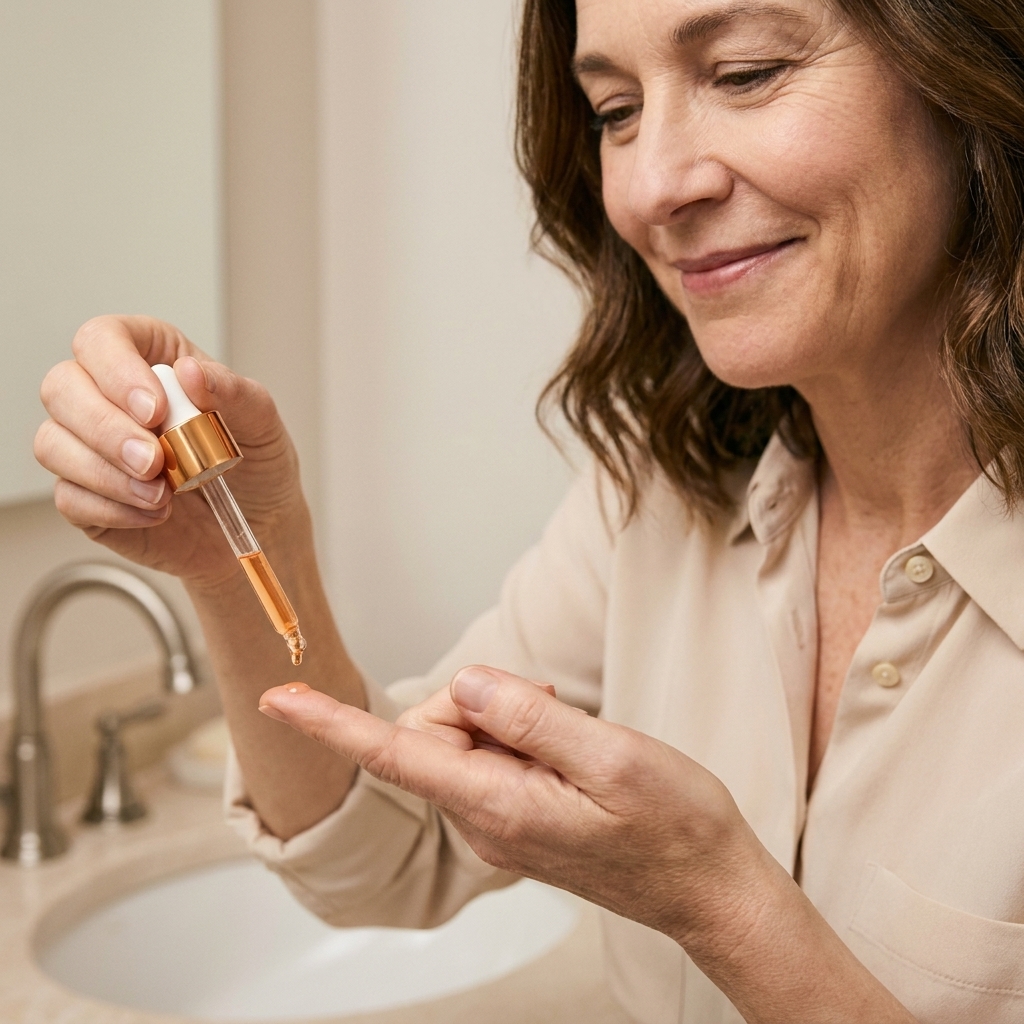
Ingredient #3: Peptides
Peptides are short chains of amino acids used in skincare to support hydration, comfort, and overall skin conditioning. Some have promising data for firmness and lines, but results tend to be subtle and formula-dependent. Think supportive, not dramatic.
What peptides help with
- Plumper, more hydrated-looking skin
- Supporting the look of firmness over time (modestly, and not like a retinoid)
- Reducing the appearance of fine lines by improving overall skin cushioning
- Barrier comfort when you are using stronger actives
When to use them
Morning and/or night. Peptides are flexible. If retinol is your alteration appointment, peptides are your good lining. Quiet, practical, and makes everything feel better.
What to look for on labels
Common examples include palmitoyl tripeptide-1, palmitoyl tetrapeptide-7, copper peptides, and multi-peptide blends. Do not stress about memorizing names. Choose a reputable formula and focus on consistency.
A simple routine
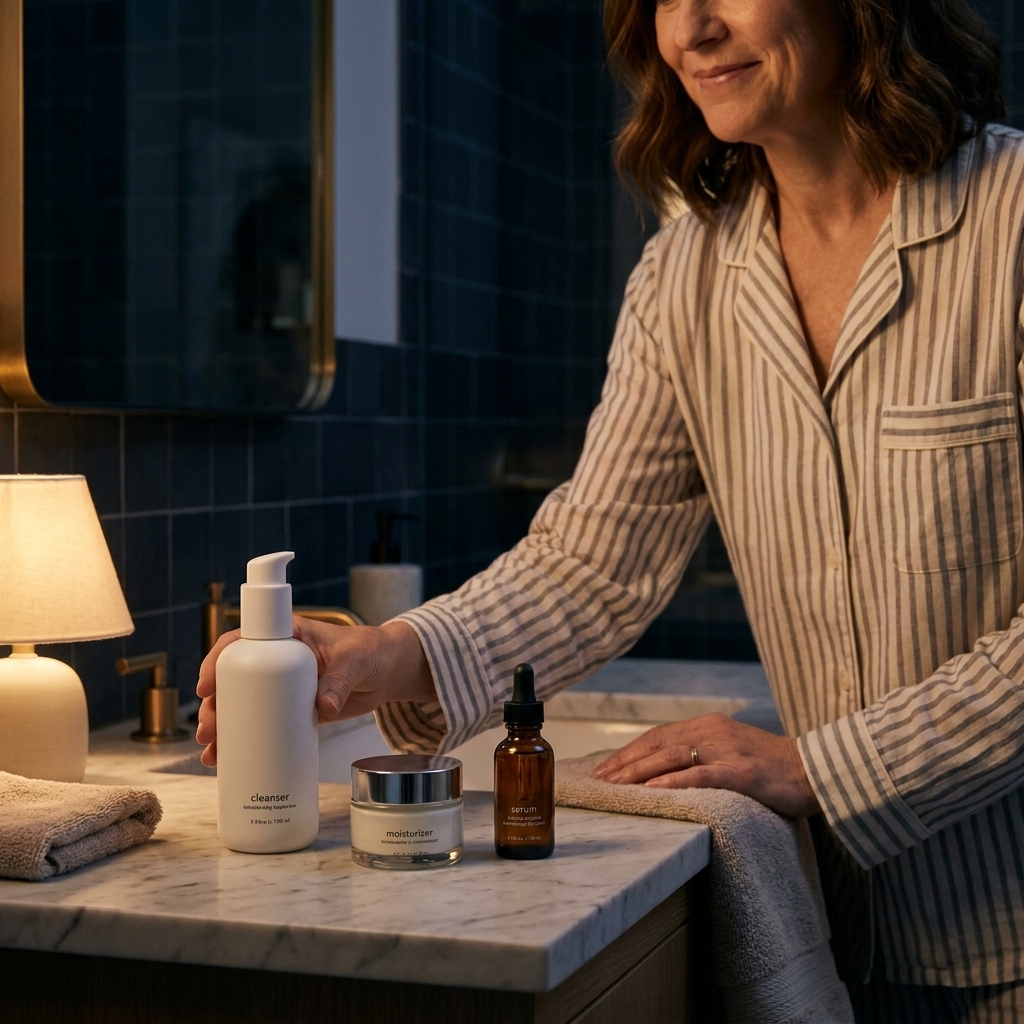
Here is a setup that works for many people. Think of it as a capsule wardrobe for your face: a few pieces that mix well, do their jobs, and do not create chaos.
Morning
- Gentle cleanser (or just rinse if you are dry)
- Vitamin C
- Peptides or a hydrating serum (optional)
- Moisturizer
- Sunscreen SPF 30+ (last step)
Night (retinol nights)
- Cleanser
- Moisturizer (optional first layer if sensitive)
- Retinol
- Moisturizer
Night (non-retinol nights)
- Cleanser
- Peptides and/or a hydrating serum
- Moisturizer
How often to use them
- Vitamin C: daily or most mornings, as tolerated.
- Peptides: daily, morning and/or night.
- Retinol: start 2 nights per week, then work up to every other night. Some people eventually use it 4 to 5 nights weekly. You do not have to reach “every night” to see benefits.
If your skin gets tight, shiny, or stinging, pull back. Progress is not linear, and irritation is not a badge of honor.
Common mistakes
- Mistake: Starting retinol at a high strength. Instead: pick a low percentage and increase slowly.
- Mistake: Using multiple strong actives at once. Instead: introduce one new product at a time for 2 to 3 weeks.
- Mistake: Skipping moisturizer because you are oily. Instead: use a lightweight, non-comedogenic moisturizer to support your barrier, especially with retinol.
- Mistake: Treating your neck like an afterthought. Instead: bring sunscreen and moisturizer down the neck. Add retinol there only if you tolerate it well, since neck skin can be more reactive.
Helpful extras
These are not “anti-aging” in the headline-grabbing way, but they can make your routine work better. The basics matter, especially when you start actives.
- Barrier-supporting cleanser and moisturizer: if you are sensitive, go fragrance-free and look for glycerin, ceramides, and fatty acids. Boring on purpose.
- Hyaluronic acid helps with hydration and that plump, rested look. Apply on slightly damp skin, then seal with moisturizer.
- Niacinamide supports the barrier and can help with oil balance and tone. It layers well with vitamin C and peptides in most routines.
- AHAs and BHAs can improve texture and brightness, but if you are using retinol, keep exfoliation modest. Try once weekly at first, and never on a night when your skin already feels sensitive.
Quick safety notes
- Pregnant, trying to conceive, or breastfeeding: avoid retinoids unless your clinician advises otherwise.
- Very sensitive skin or rosacea: consider starting with peptides and a gentle vitamin C derivative, then add retinol cautiously.
- Patch test: especially if you have a history of irritation. Introduce one new active at a time.
- See a dermatologist if you have persistent irritation, cystic acne, or sudden pigment changes.
FAQ
Can I use vitamin C and retinol in the same day?
Yes. Most people do best with vitamin C in the morning and retinol at night. It is an easy split that minimizes irritation and keeps your routine simple.
Do peptides work if I am already using retinol?
They can be a great supporting player. Retinol can be drying at first, and peptides often help your skin feel more comfortable and hydrated so you can stay consistent.
How long until I see results?
Vitamin C can boost glow in a few weeks. Retinol usually takes 8 to 12 weeks for noticeable texture changes, and longer for deeper line improvement. Peptides tend to show up as gradual plumpness and comfort.
What is the best anti-aging routine if I only want two products?
If I had to keep it minimalist: sunscreen every morning and retinol at night. If your skin hates retinol, swap in a peptide-rich moisturizer at night and focus on daily SPF plus a vitamin C serum.
The Clara take
Think of anti-aging skincare in your 30s like building a wardrobe that finally makes mornings easier. You are not collecting products. You are choosing a few reliable essentials, learning how they behave, and sticking with them long enough to let them do their thing.
Start with sunscreen, add vitamin C for brightness, bring in retinol slowly for long-term smoothing, and use peptides like the soft lining that makes everything feel better. Your future self will thank you, and your present self will look just a little more rested even on the weeks when life is not.